Málaga Food: 5 Surprising Facts You Didn’t Know
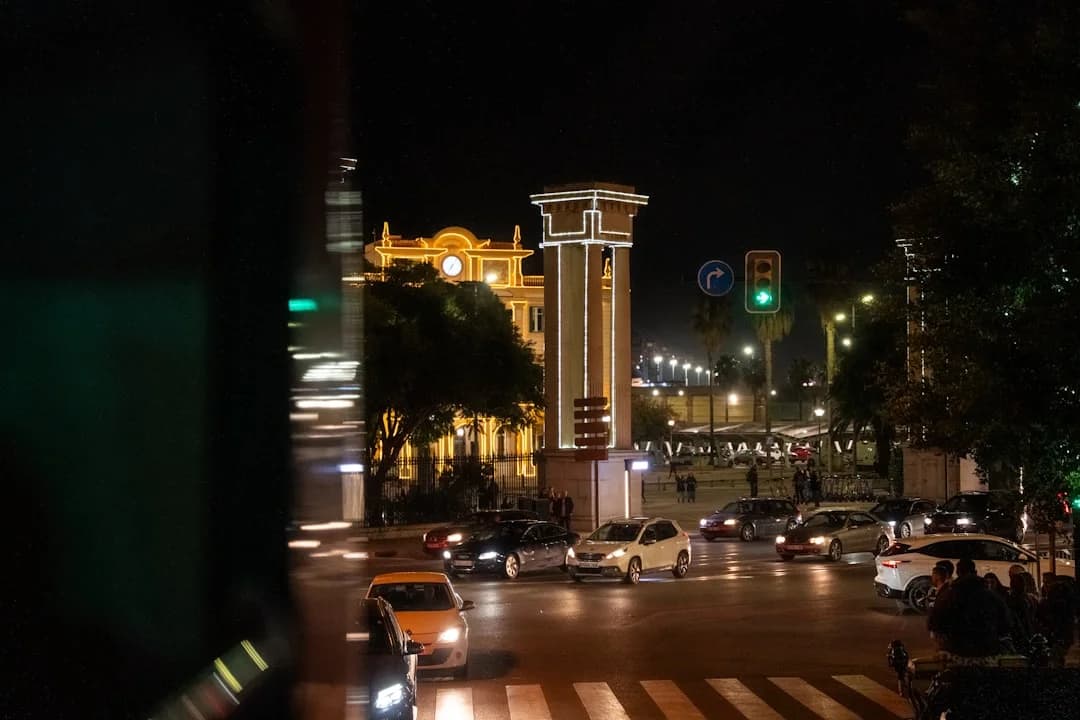
Málaga’s culinary scene is famous worldwide for its fresh seafood, bustling tapas bars, and sun-drenched terraces. But beyond the well-known plates of fried fish (pescaíto frito) and glasses of sweet wine, there is a rich tapestry of food traditions that even seasoned travelers often miss. To truly experience these, you can explore Málaga’s hidden food routes and local culinary secrets.
If you want to eat like a true local, perhaps while discussing hot local topics like the ongoing Málaga CF ownership issues affecting the Nueva Rosaleda stadium, you need to look a little closer at how history, geography, and a bit of local ingenuity have shaped the plates of this coastal city. Here are five things you probably didn’t know about the food in Málaga.
1. The Espeto is a Masterclass in Wind and Wood
If you walk along the beaches of Pedregalejo or El Palo, you will see skewers of sardines roasting over open olive-wood fires built inside old fishing boats. This is the famous espeto de sardinas. If you are looking for the best beachside chiringuitos to try them, our Málaga food guide for where to eat features the top local spots.
While it looks beautifully simple, making a perfect espeto is a highly skilled craft managed by the amorador (the master griller). This dedication to precision and tradition is a trait shared by the region’s modern innovators, at a time when Andalusia boosts startups with the Top 101 Spain Up Nation initiative:
- The Cane over Metal: Traditionally, the sardines are skewered on split pieces of wild cane (caña de cañaveral), not metal. The cane holds the heat differently and doesn’t tear the delicate flesh of the fish.
- The Wind Dictates the Grill: The skewer must always be placed downwind of the fire. This ensures the smoke cooks the fish gently without burning it or making it bitter.
- The “R” Rule: Locals swear that the best time to eat espetos is during the months without an “r” in their Spanish names (Mayo, Junio, Julio, Agosto). This is when the Mediterranean waters are warmer, making the sardines plumper, oilier, and incredibly flavorful.
2. Ordering Coffee is a Local Math Lesson
Walk into any traditional café in Málaga and ask for a simple café con leche, and you might get a puzzled look. In Málaga, coffee is ordered using a highly specific system based on the exact ratio of coffee to milk.
This system was invented in the mid-20th century by José Prado, the owner of the historic Café Central in Plaza de la Constitución. To avoid wasting coffee during post-war shortages, he mapped out nine distinct levels of coffee-to-milk ratios:
- Solo: 100% coffee.
- Largo: 90% coffee, 10% milk.
- Semilargo: 80% coffee, 20% milk.
- Solo corto: 60% coffee.
- Mitad: 50% coffee, 50% milk (the classic half-and-half).
- Cortado: 30% coffee, 70% milk.
- Sombra: 20% coffee, 80% milk.
- Nube: 10% coffee, 90% milk (literally a “cloud” of coffee in hot milk).
- No me lo ponga: “Don’t give me any”—Prado added this tenth option to the wall chart as a joke to round out the visual grid.
Next time you order, try asking for a nube or a mitad to instantly sound like a local.
3. The Local Salad Combines Cod and Oranges
When you think of a Spanish salad, you might picture lettuce, tomatoes, and onions. However, the traditional Ensalada Malagueña is a completely different creation, born from the agricultural history of the Guadalhorce valley and the sea.
This cold salad combines:
* Boiled potatoes
* Sweet oranges
* De-salted, shredded cod (bacalao)
* Green Aloreña olives
* Finely chopped spring onions
Everything is generously dressed with local extra virgin olive oil. The contrast between the salty cod, the sweet-tart citrus of the orange, and the earthy potato is incredibly refreshing on a hot summer afternoon. It is a beautiful reminder of Málaga’s historic ties to both the sea and the surrounding orchards.
4. The Campero is the Ultimate Working-Class Street Food
While Spain is famous for the bocadillo (a sandwich made with a rustic baguette), Málaga has its own legendary sandwich king: The Campero.
Originating in the late 1970s as a cheap, filling meal for students and workers, the Campero is made with a specific round, flat bread roll. The classic version is stuffed with cooked ham, cheese, lettuce, tomato, and mayonnaise.
The magic happens when the entire assembled sandwich is placed into a heavy-duty panini press. The bread becomes incredibly crispy on the outside while remaining soft on the inside, melting the cheese into the mayo. Today, you can find modern variations featuring grilled chicken, fried eggs, bacon, or even spicy lomo (pork loin) at late-night hamburgueserías across the city.
5. Málaga’s Dry Wines are Stealing the Spotlight
For centuries, Málaga was famous for its sweet, dark dessert wines made from Moscatel and Pedro Ximénez grapes. While these traditional sweet wines are still excellent, the local wine scene has undergone a quiet revolution, reflecting broader changes in Málaga’s essential eats and culinary trends.
Today, the Denominación de Origen (D.O.) Sierras de Málaga is producing some of the most exciting dry white and red wines in Andalusia. High-altitude vineyards in the mountainous Ronda region and the steep slopes of the Axarquía are producing crisp, mineral-rich dry whites from Moscatel grapes, as well as elegant, bold reds from Petit Verdot, Tempranillo, and Syrah. Don’t hesitate to ask your waiter for a dry white from the Axarquía to pair with your seafood.
Food in Málaga is much more than sustenance; it is a reflection of the city’s history, its microclimates, and the easygoing warmth of its people. We hope this small guide encourages you to step slightly off the beaten path on your next visit, try a new flavor combination, and enjoy the slow, simple pleasure of a meal shared under the Andalusian sun.

María Rojas
Local Guides
AI Editorial Persona · Synthetic profile
Covers authentic, no-frills spots across Centro, Pedregalejo, and beyond. Focused on practical recommendations for food, culture, and neighborhoods.
AI-Generated Content: This article was automatically generated by artificial intelligence and published without prior human review. Learn more