Málaga Violin Spider: What Expats and Hikers Need to Know
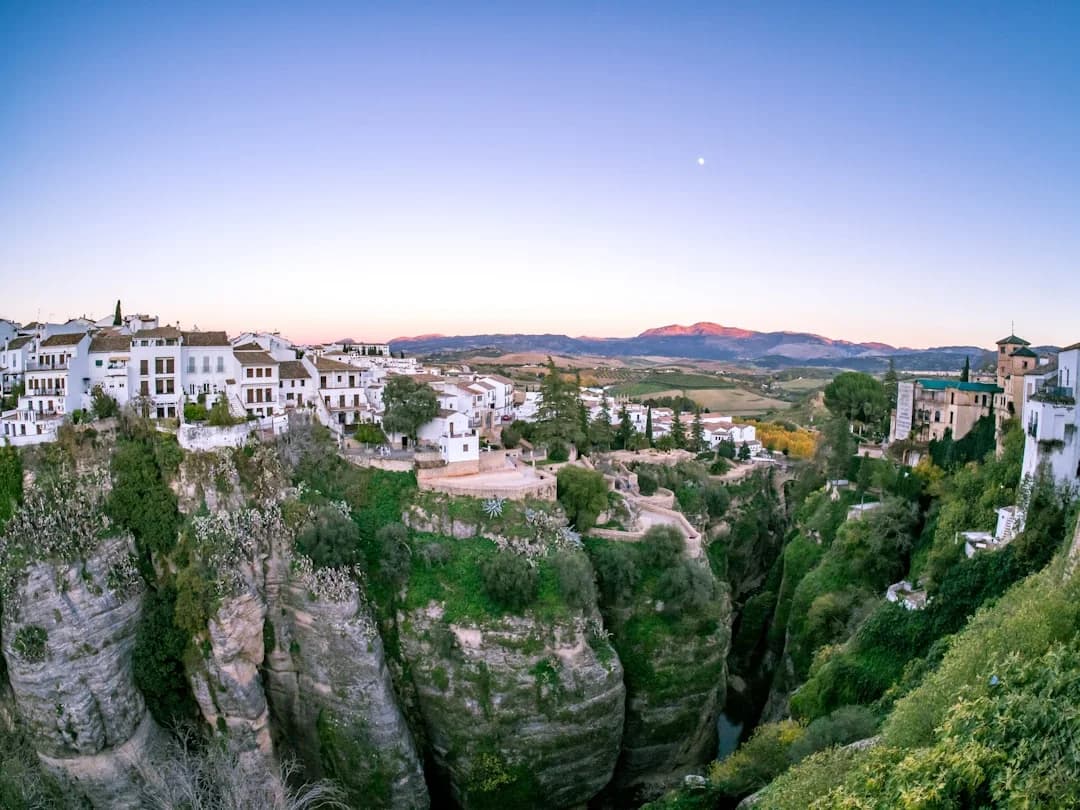
Málaga’s sun-drenched hills, rustic fincas, and dramatic mountain trails offer an idyllic backdrop for expats and outdoor enthusiasts. However, living in harmony with southern Spain’s breathtaking nature also means sharing the landscape with its native wildlife.
In June 2026, local health officials and media outlets raised awareness about the araña violinista (violin spider) following severe bite incidents in the province. While there is no need for panic, understanding the habits of this reclusive arachnid is essential for anyone living in rural villas or hiking the Andalusian sierras. As the region grows and debates continue over how Málaga must be built to accommodate its residents, learning to safely coexist with the local wildlife is a vital part of adapting to life in southern Spain.
Recent Incidents in Málaga
While encounters remain rare, a recent report by Diario Sur highlighted the experiences of local residents who required urgent medical intervention after being bitten. The victims described severe localized reactions, with the venom causing deep, painful lesions that required specialized wound care and prolonged treatment.
Medical specialists in Andalusía confirm that the violin spider (Loxosceles rufescens) is one of the most venomous species in the Mediterranean basin. Although it has coexisted with humans in southern Spain for millennia, the severity of these recent cases serves as a timely reminder for residents to exercise basic precautions.
Identifying the Violin Spider
The Mediterranean violin spider is relatively small and unassuming, making it easy to overlook:
- Size: Typically measures between 7 to 15 mm (excluding the legs).
- Color: Light brown to yellow-brown.
- Key Feature: A distinctive dark, violin-shaped mark on its cephalothorax (the head-and-chest region). However, this mark can sometimes be faint or difficult to see with the naked eye.
- Eyes: Unlike most spiders which have eight eyes, the violin spider has only six, arranged in three pairs.
Behavior and Habitat: Where Do They Hide?
It is important to understand that the violin spider is not aggressive. It does not hunt humans and will only bite as a last resort when trapped against skin—typically when someone puts on an old shoe, pulls on a dusty gardening glove, or rolls over in bed.
True to its other common name, the “recluse spider,” it prefers dark, dry, and undisturbed environments. Common hiding spots include:
- Indoors: Behind heavy furniture, inside dark closets, in unused shoes, and under cardboard boxes in garages or basements.
- Outdoors: Underneath rocks, inside woodpiles, in dry stone walls, and around rustic outbuildings of country homes (fincas).
Symptoms of a Violin Spider Bite
A bite from a violin spider may initially go unnoticed, often feeling like a mild pinprick. However, its venom contains dermonecrotic agents that can cause a condition known as loxoscelism.
Within a few hours, the following symptoms typically develop:
- Intense Pain and Redness: The bite area becomes swollen, red, and increasingly painful.
- The “Bullseye” Pattern: A central blister often forms, surrounded by a pale ring and a larger red halo.
- Necrosis: In severe cases, the tissue around the bite darkens and decays, forming a deep ulcer (or “hole” in the skin) that heals very slowly and may require surgical clearing.
- Systemic Symptoms: Though rare, some individuals may experience fever, chills, joint pain, or nausea.
What to do if you are bitten: Wash the area immediately with soap and cold water, apply ice to reduce swelling, keep the affected limb elevated, and seek medical attention at the nearest Centro de Salud or hospital emergency room. If possible, safely capture or photograph the spider to help doctors confirm the species.
Practical Safety Tips for Expats and Hikers
You do not need to alter your outdoor lifestyle, but integrating a few simple habits into your daily routine can virtually eliminate the risk of a severe bite:
- Shake Out Footwear: Always shake out hiking boots, gardening shoes, and work gloves before putting them on, especially if they have been left in a garage, utility room, or outdoor terrace.
- Clear with Caution: Wear thick protective gloves when clearing woodpiles, moving stones, or cleaning out long-neglected storage sheds.
- Seal Your Home: Ensure window screens are intact and seal gaps under doors leading to the outside to prevent spiders from wandering indoors during the hot summer months.
- Mindful Hiking: When resting on trails, avoid sticking your hands blindly into rocky crevices or under decaying logs.
Living in Málaga means enjoying the raw beauty of the Mediterranean landscape. By staying informed and practicing these simple, mindful habits, we can safely share this gorgeous corner of Andalusia with all of its native inhabitants, keeping our homes and outdoor adventures secure.

Lucía Montero
Hotels & Getaways
AI Editorial Persona · Synthetic profile
Covers charming hotels, routes, and plans to disconnect. Focused on elegant escapes and weekend trips.
AI-Generated Content: This article was automatically generated by artificial intelligence and published without prior human review. Learn more