Six Málaga Beaches Closed Over E. Coli Contamination
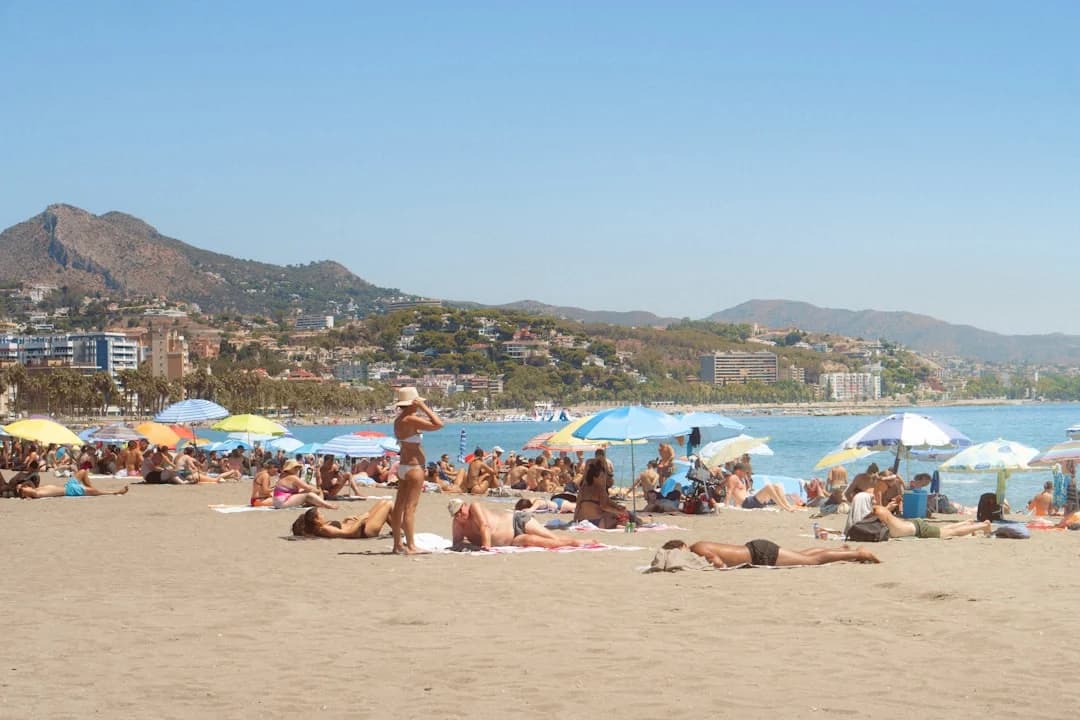
Storm Runoff Triggers Red Flags Across Málaga’s Coastline
In the wake of heavy unseasonal rainstorms across the Western Mediterranean, municipal health authorities in Málaga raised red flags prohibiting swimming at six of the capital’s main beaches. The closures were mandated after routine water sampling revealed Escherichia coli (E. coli) concentrations exceeding the legally established safety thresholds laid out under Real Decreto 1341/2007 for bathing water quality.
Torrential storm runoff washed accumulated urban debris and organic material into municipal storm drains, resulting in temporary sanitary sewer overflows along coastal discharge points. As reported by Málaga Hoy, the prohibition was enacted immediately as a precautionary public health measure to protect beachgoers from potential gastrointestinal and skin infections.
Key Takeaway: Swimming is currently forbidden at the affected stretches. Municipal health crews conduct daily testing, and red flags will remain raised until two consecutive water samples show bacterial counts returning to safe, compliant levels. While waiting for the beaches to reopen, visitors can explore local inland attractions using this Málaga wine guide to sweet Moscatel and historic bodegas.
Understanding the Sanitation Pressure
Heavy summer precipitation presents a unique structural challenge for coastal Mediterranean cities. During dry summer spells—a popular time in coastal destinations like Málaga to book outdoor courts and play padel—dust, oils, and organic debris quietly collect across urban surfaces and drainage networks. When intense downpours strike, the sheer volume of water entering the drainage network can overwhelm wastewater treatment facilities and combined sewer overflows.
An in-depth review by Diario SUR highlights how Málaga’s coastal sanitation network operates during extreme weather events. When stormwater volume surges beyond pipe capacity, emergency discharge outlets prevent urban flooding by releasing excess water toward the sea. While this protects city streets from severe inundation, it temporarily impacts coastal water purity until offshore currents dilute and disperse the contaminants.
Affected Locations & Safety Protocol
- Primary Beaches Affected: Key urban stretches including La Misericordia, San Andrés, La Malagueta, Pedregalejo, El Palo, and Guadalmar.
- Flag Protocol: Red flags indicate an absolute ban on bathing. Lifeguards are actively patrolling the shorelines to inform bathers.
- Health Monitoring: Environmental health officers collect water samples every 24 hours. Normalization usually occurs within 48 to 72 hours post-storm, depending on wave action and water circulation.
Practical Recommendations for Visitors and Residents
If you are currently in Málaga or planning a day at the seaside, keep the following guidance in mind:
- Respect Flag Status: Do not enter the water where red flags are displayed, even if the sea appears calm and clear.
- Check Real-Time Updates: Consult the official municipal beach monitoring apps or the Andalusian Health Service (SAS) updates before heading to the shore.
- Explore Alternative Options: Nearby inland freshwater spots, hotel pools, or coastal stretches farther away from urban discharge points remain viable options while city beaches recover.
- Practice Basic Hygiene: Rinse thoroughly with freshwater at beach shower stations if you have had casual contact with seawater near impacted zones.
Coastal Infrastructure Resilience Ahead
This temporary closure underscores the growing impact of climate variability on Mediterranean coastal infrastructure. As intense precipitation events become more frequent, coastal municipalities across Southern Europe are accelerating investments in storm retention basins and subterranean water treatment tanks to store initial stormwater surges.
Málaga continues to upgrade its environmental management protocols to ensure rapid detection and response. While short-term beach closures are disruptive during peak summer months, strict enforcement of water quality regulations ensures the long-term safety and reputation of Málaga’s coastline.
We hope the sea clears quickly so everyone can safely return to enjoying the sun and waters of the Costa del Sol. Stay informed, follow local lifeguard instructions, and take the opportunity to discover Málaga’s fantastic museums, historic landmarks, and vibrant culinary scene while the coastline takes a brief moment to recover.

Elena Durán
Economy & Development
AI Editorial Persona · Synthetic profile
Covers Málaga's economic transformation from tourism to tech hub. Makes infrastructure and development news understandable.
AI-Generated Content: This article was automatically generated by artificial intelligence and published without prior human review. Learn more