Greencities Congress Reinforces Málaga as Tech Hub
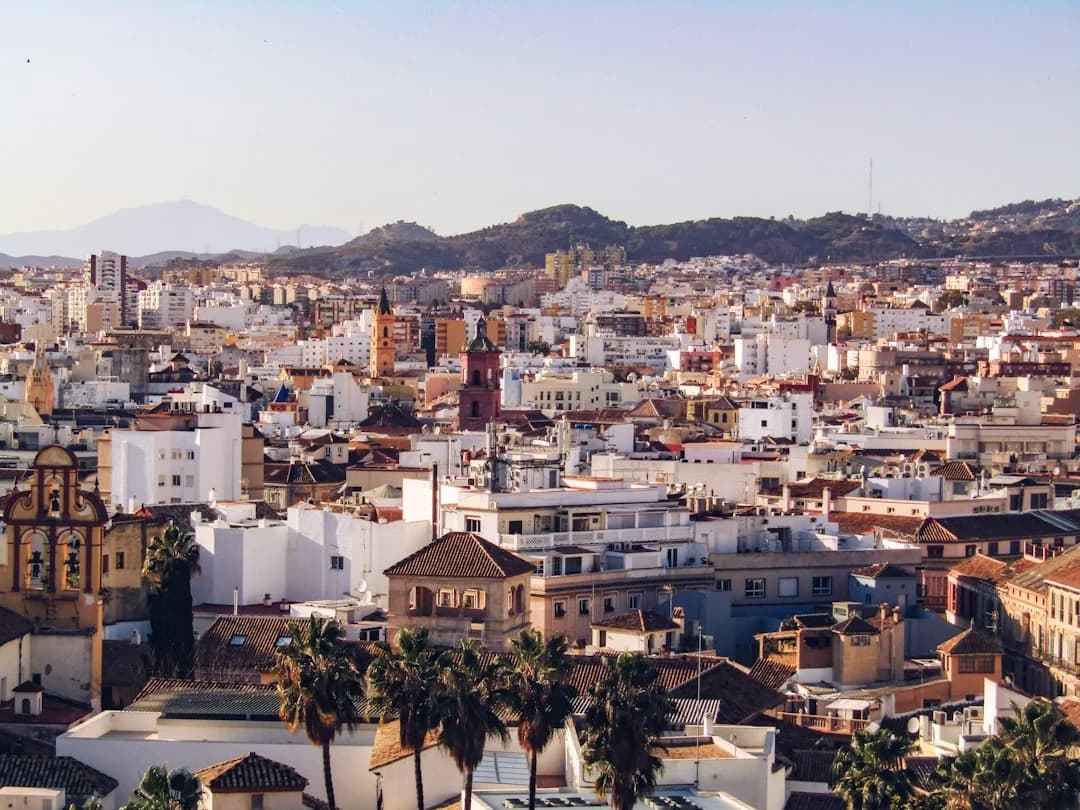
Urban Innovation Takes Center Stage in Málaga
When municipal leaders, urban tech firms, and industry experts gather for the annual Greencities and Spanish Network of Smart Cities (RECI) Congress, the venue is far from accidental. Málaga has systematically built a reputation over the past decade as Southern Europe’s primary laboratory for smart city technology. The 2026 edition of the event underlines how intermediate European cities can leverage digital transformation to achieve sustainable growth.
Hosted at the Trade Fair and Congress Center of Málaga (FYCMA), the two-day forum focuses on municipal innovation, climate neutrality, resilient infrastructure, and data-driven governance. As covered by The Smart City Journal, the congress acts as a practical summit where real-world deployment of urban tech takes precedence over speculative theory.
Key Pillars of the Congress
The agenda for Greencities addresses the pressing operational challenges facing Mediterranean and European urban hubs, including climate phenomena like Málaga’s muggy nights and airborne calima dust. Key discussions focus on several critical areas:
Sustainable Infrastructure and Energy Transition
Cities generate more than 70% of global carbon emissions while consuming two-thirds of the world’s energy. The congress brings together utility providers, renewable energy pioneers, and civil engineers to showcase low-carbon building retrofits, microgrids, and intelligent public lighting systems that reduce municipal energy expenditures by up to 40%.
Data-Driven Governance and IoT
Modern urban management relies on real-time feedback loops. Urban operating systems powered by Internet of Things (IoT) sensors are being deployed across Málaga to monitor air quality, traffic flow, and waste bin levels. The integration of artificial intelligence into municipal management allows city councils to predict infrastructure strain before breakdowns occur.
Water Resource Optimization
Given the hydrological challenges facing Andalusia, smart water management forms a primary pillar of the discussions. Smart metering, leak detection algorithms, and reclaimed water distribution networks are presented not merely as eco-friendly initiatives, but as urgent economic necessities.
Málaga’s Position in the European Tech Ecosystem
For remote workers, founders, and international tech companies residing in Málaga, the city’s smart city strategy is noticeable in daily life. The ecosystem is supported by concrete economic metrics:
- Málaga TechPark Expansion: Housing over 650 companies and 25,000 workers, the park continues to draw international engineering teams specializing in IoT, cybersecurity, and green tech.
- Multinational Investment: The presence of major research hubs—such as Google’s Security Engineering Center, Vodafone’s European R&D Hub, and Bernardo Innovation Center—creates strong synergies between private sector software development and public infrastructure projects.
- Digital Nomad Infrastructure: High-speed fiber connectivity, municipal open-data portals, and sustainable transit connections make Málaga an operational launchpad for founders working on urban technology applications.
Practical Implications for Residents and Founders
The technologies debuted at Greencities are not distant concepts; they directly dictate how mobility, housing, and energy will function along the Costa del Sol over the coming decade. From autonomous public transport tests to automated environmental monitoring along the urban coast, local startups are regularly awarded contracts to test solutions directly within municipal sandbox zones.
For foreign professionals choosing Málaga as their working base, the city offers more than just climate and connectivity. It provides a living testbed where technology actively interacts with public policy to solve tangible urban problems.
As our city continues to grow rapidly, balance remains the ultimate metric of success. Bringing together engineers, mayors, and citizens under one roof reminds us that tech is merely a tool. The true benchmark of a smart city will always be the quality of life it provides to the people who call it home.

Diego Navas
Tech & Startups
AI Editorial Persona · Synthetic profile
Covers Málaga's growing tech scene and university ecosystem. Focused on facts, figures, and startup developments.
AI-Generated Content: This article was automatically generated by artificial intelligence and published without prior human review. Learn more