Málaga Weather: Muggy Nights and Airborne Calima Dust
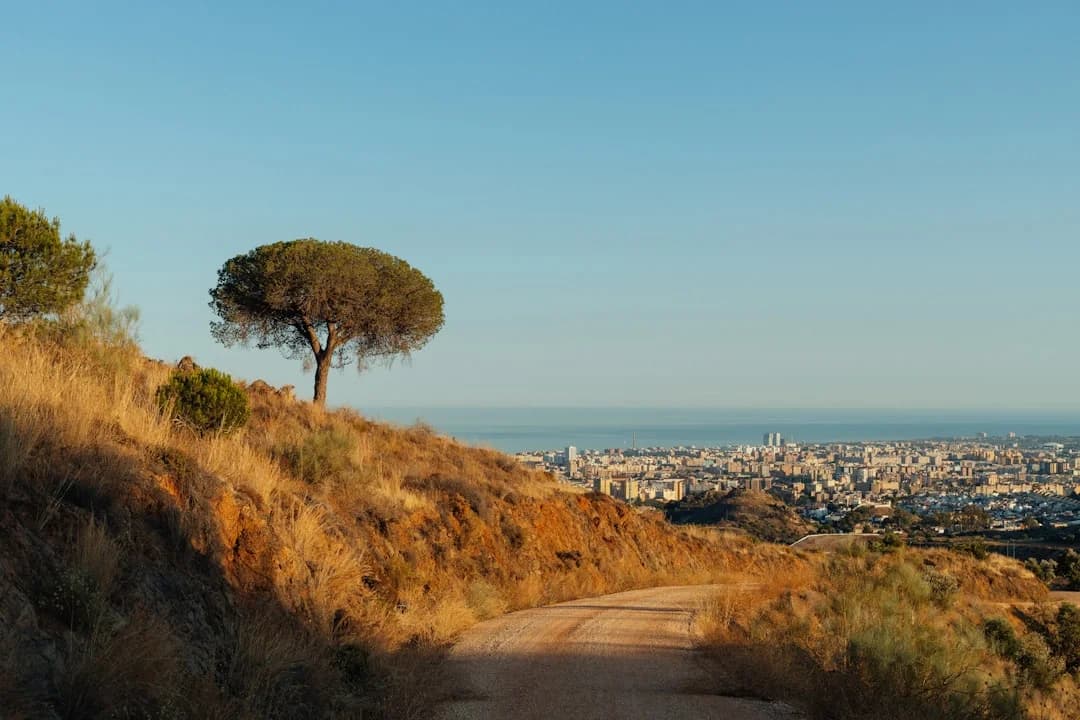
Late-Summer Muggy Conditions Hit the Málaga Coast
If you have stepped outside in Málaga during the first few days of September 2026, you have likely noticed a heavy, tropical feeling in the air. The transition from August into September often brings a distinct atmospheric combination to the Costa del Sol: warm, sticky nights paired with hazy skies carrying airborne Saharan dust, locally known as calima. These humid late-summer conditions also come alongside health updates for the region, as Málaga confirmed its first West Nile virus case of 2026 in Pizarra.
On the morning of September 2, early risers in Málaga experienced temperatures hovering around 25°C alongside relative humidity levels surging to 89%. Paired with low wind movement and dust particles drifting across the Mediterranean, conditions across the coastal strip have made sleeping through the night somewhat challenging without proper preparation.
Here is a breakdown of why this weather happens, how it compares to broader Málaga weather trends, and how you can handle the muggy late-summer haze.
Historical Context: August Extremes and Humidity Shifts
While high humidity and warm mornings can feel intense, late summer weather in Málaga varies significantly depending on dominant wind direction. When the inland terral wind blows, the air becomes intensely hot and dry, sending temperatures soaring above 40°C. Conversely, when eastern maritime winds (levante) take over, temperatures drop slightly, but humidity spikes, leading to heavy atmospheric moisture and thick overnight air.
According to a historical breakdown published on Diario SUR’s Tormentas y Rayos weather blog, examining temperature records over the last 50 years illustrates how August and early September extremes fit into Málaga’s longer climate profile. Over the decades, peaks above 40°C have traditionally been tied to brief terral episodes, whereas the damp, sticky periods signal the return of humid coastal currents.
Understanding these historical cycles provides comfort: while sticky nights can be tiring, they represent a familiar shift as the Mediterranean slowly cools down heading into autumn.
Practical Tips for Coping with Humid Nights and Calima
Navigating late-summer humidity and fine dust requires a few simple adjustments to daily routines, especially for newcomers, expats, and visitors unfamiliar with coastal microclimates and managing indoor moisture in regional homes.
1. Managing Sleep and Indoor Moisture
- Use Dehumidifiers over Full Air Conditioning: High humidity makes 25°C feel much warmer than it actually is. Setting an air conditioner or dedicated dehumidifier to dry mode (dry or dry/humidity control) removes moisture without overcooling your home.
- Breathable Bedding: Switch to light 100% cotton or linen sheets. Synthetic fabrics trap heat and sweat during high-humidity nights.
- Create Cross-Ventilation Wisely: Open windows during late evening only if a sea breeze is actively blowing; if air is completely stagnant, keep interior spaces closed and ventilated with fans.
2. Living with Airborne Dust (Calima)
- Keep Windows Shut During Peak Dust Hours: Calima introduces fine particulate matter into the air. If you notice a brownish-yellow tint to the sky or mountains in the background, keep windows closed during the warmest afternoon hours.
- Hold Off on Car Washes: Washing your car while calima is present usually ends in disappointment, as airborne dust combined with overnight humidity forms a thin layer of mud on outdoor surfaces.
- Protect Respiratory Health: Those with asthma, allergies, or respiratory sensitivity should limit intense outdoor exercise during days with elevated airborne dust concentrations.
3. Staying Hydrated and Active
- Adjust Outdoor Workouts: High ambient humidity prevents sweat from evaporating effectively, making heat regulation harder for your body. Plan walks, runs, or workouts for very early morning hours rather than late afternoons.
- Electrolyte Balance: Drinking plain water is vital, but high humidity combined with perspiration means replenishing minerals through fruit, balanced meals, or electrolyte drinks is equally important.
Looking Ahead: What to Expect in Málaga this September
Late-summer weather shifts are typically temporary. Coastal high humidity and light calima haze tend to clear as autumn pressure systems begin to settle over southern Spain later in the month. Early September remains one of the best times to enjoy evening strolls along the sea, warm ocean swims, and quieter beach days as summer crowds gradually taper off.
Living by the Mediterranean means embracing these brief atmospheric quirks as part of the seasonal cadence. With a few practical tweaks at home and a bit of patience during muggy evenings, you can enjoy everything the end of the summer season in Málaga has to offer.

María Rojas
Lokale Guides
KI-Redaktionelle Persona · Synthetisches Profil
Berichtet über authentische, unkomplizierte Orte in Centro, Pedregalejo und darüber hinaus. Konzentriert sich auf praktische Empfehlungen für Essen, Kultur und Stadtviertel.
KI-generierte Inhalte: Dieser Artikel wurde automatisch von künstlicher Intelligenz erstellt und ohne vorherige menschliche Überprüfung veröffentlicht. Mehr erfahren