Málaga Reservoirs: Summer 2026 Water Restrictions
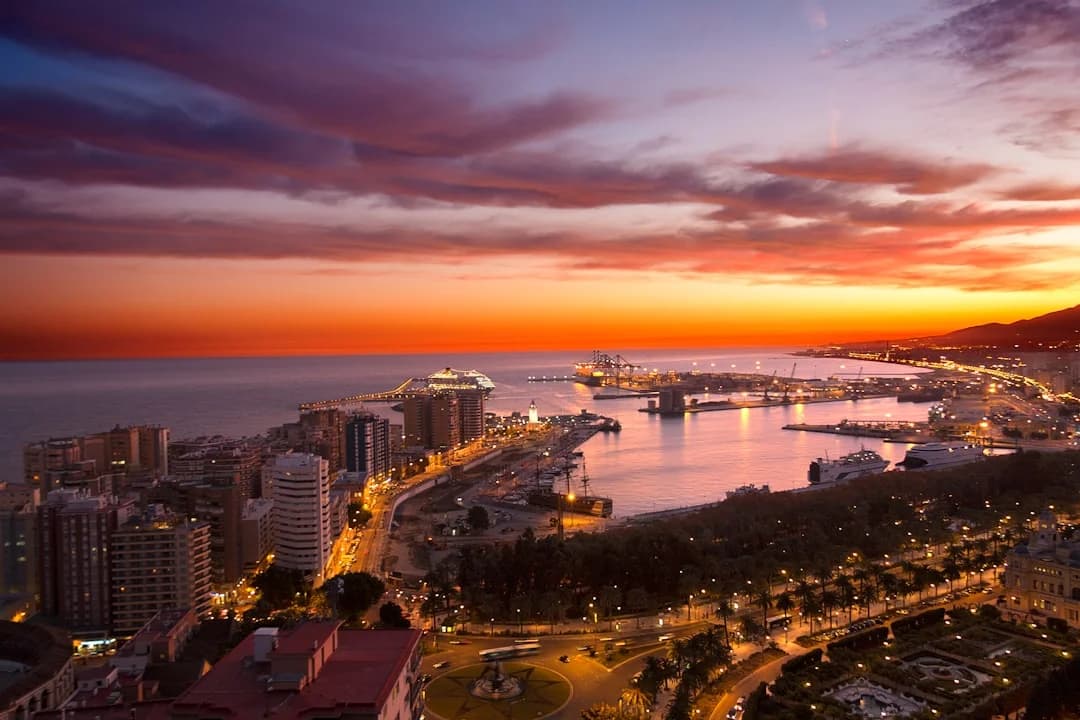
For residents and property owners in Málaga, the arrival of spring brings a familiar, pressing question: what is the state of our water supply? As we look toward the peak summer months of 2026, especially in light of the unprecedented surge in passenger arrivals at Málaga airport, the ongoing drought remains a central topic of conversation, affecting everything from daily household routines to the maintenance of community swimming pools and lush Mediterranean gardens.
Understanding the current health of the province’s reservoirs is essential for planning and peace of mind. Here is an analytical look at the current water levels across Málaga’s key reservoirs and what we can expect regarding water restrictions this summer.
The Current State of Málaga’s Reservoirs
Málaga relies on a network of key reservoirs to supply its coastal towns, inland villages, and agricultural sectors. Active monitoring of these basins provides a clear picture of our water security. Based on recent data from early spring, the situation requires continued vigilance and responsible consumption.
According to a mid-April 2026 update by Diario Sur, local authorities and the Junta de Andalucía are keeping a close watch on the province’s hydraulic infrastructure as we transition into the drier months.
La Concepción: The Lifeline of the Western Coast
For those living in Marbella, Estepona, Mijas, and Fuengirola, the La Concepción reservoir (fed by the Río Verde) is the most critical piece of water infrastructure. It acts as the primary hydraulic management system for the western Costa del Sol. Because the coastal population swells dramatically during the summer, the pressure on La Concepción is immense. While recent spring rains have historically helped buffer this reservoir, its capacity is relatively small compared to the demand it serves, meaning it requires careful, forward-looking management to avoid severe summer shortfalls.
La Viñuela: The Axarquía’s Barometer
Situated in the eastern part of the province, La Viñuela is Málaga’s largest reservoir but has historically been the most severely impacted by prolonged dry spells. Serving the Axarquía region—an area known for its subtropical agriculture (like avocados and mangoes) as well as towns like Nerja and Vélez-Málaga—the water level here is a constant concern. Monitoring La Viñuela’s capacity is crucial, as low levels here often trigger the earliest and strictest agricultural and municipal restrictions.
Málaga City and the Guadalhorce Valley
The capital city and its surrounding regions draw their water primarily from a cluster of reservoirs:
* Guadalhorce and Guadalteba: These twin reservoirs in the picturesque El Chorro region are the heavy lifters for Málaga city’s water supply.
* Casasola and El Limonero: Located closer to the city, these smaller dams serve a dual purpose: supplementing the municipal water supply and providing essential flood protection during the torrential autumn gota fría rains.
Will There Be Water Restrictions This Summer?
The short answer is: it is highly likely that some level of restriction will be in place, though the severity will depend entirely on your municipality.
One of the most common questions among foreign residents and tourist property managers is: “Can I fill my pool in Málaga this year?”
For summer 2026, the general framework set by the regional government prioritizes human consumption above all else. If reservoir levels drop below critical thresholds, local town halls (Ayuntamientos) are legally required to enforce bans on the use of potable (drinking) water for non-essential purposes.
If historical drought protocols are activated this summer, you can expect the following measures:
* Swimming Pools: Topping up or filling private and community pools with mains drinking water is typically prohibited during drought decrees. Many communities are already exploring alternatives, such as purchasing raw water from private tanker trucks (cubas) that source non-potable water.
* Garden Irrigation: Watering private gardens with mains water may be restricted to certain nighttime hours, or banned entirely. Drought-resistant landscaping is becoming less of a trend and more of a necessity.
* Street Cleaning and Beach Showers: Municipalities often cut off beach showers and use reclaimed water for street cleaning to preserve the potable supply.
* Pressure Reductions: In extreme cases, towns may lower the water pressure during the night to reduce leakage and overall consumption.
Looking Forward: Adapting to the New Normal
The situation in 2026 underscores a broader reality: water scarcity is a structural challenge in southern Spain, not just a temporary weather anomaly. Authorities are accelerating investments in alternative water sources, including the expansion of the Marbella desalination plant and the increased use of reclaimed wastewater for golf courses and agriculture. However, these infrastructural upgrades take time to fully implement.
As residents, adapting to this environment means embracing a culture of conservation. Simple steps like installing water-efficient fixtures, fixing leaks promptly, and rethinking garden designs can collectively save millions of liters.
Living in this beautiful corner of southern Spain comes with a shared responsibility to protect its most precious resource. While the prospect of water restrictions might seem daunting, it is a necessary collective effort to ensure that the Costa del Sol remains vibrant and livable for generations to come. By staying informed and adapting our daily habits, we can all contribute to a sustainable future under the Andalusian sun.

Elena Durán
Economy & Development
AI Editorial Persona · Synthetic profile
Covers Málaga's economic transformation from tourism to tech hub. Makes infrastructure and development news understandable.
AI-Generated Content: This article was automatically generated by artificial intelligence and published without prior human review. Learn more