5 Surprising Facts About Hotels in Málaga
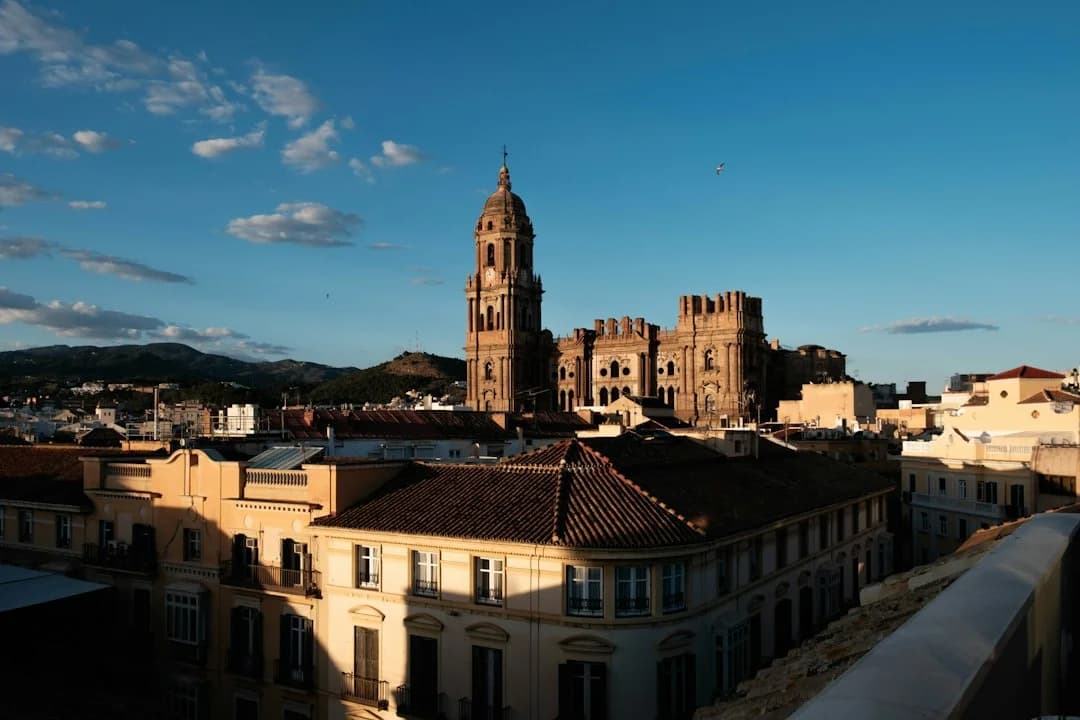
Beyond the Welcome Desk: Málaga’s Living Heritage
To the uninitiated traveler, booking a hotel room in Málaga might seem like a simple choice between coastal views and central access. Yet behind the polished marble facades, sun-dappled courtyard patios, and slick modern design, Málaga’s hotel landscape conceals centuries of layered history, architectural ingenuity, and surprising cultural traditions.
Whether you are planning a weekend getaway or seeking a refined retreat along the Mediterranean shore, here are five intriguing secrets about the hotels in this ancient port city that will transform how you experience your stay.
1. You Don’t Need a Room Key to Access the City’s Best Views
While rooftop lounges have become a global hospitality trend, Málaga elevated the concept long before it was commonplace. What many visitors fail to realize is that the city’s most extraordinary rooftop terraces—perched atop prestigious hotels—are entirely open to the non-lodging public.
The iconic terrace of AC Hotel Málaga Palacio, towering over the lemon-scented trees of the Park of Málaga, offers panoramic vistas of the port and the Renaissance cathedral. Local custom encourages slipping upstairs for a quiet sunset aperitivo, allowing guests and day-passers alike to linger beside the skyline. From hidden boutique terraces in the Jewish Quarter to elevated lounges looking directly into the stone gargoyles of the cathedral’s facade, Málaga’s hoteliers treat their rooftops not as private enclosures, but as shared urban belvederes.
2. Luxury Suites Guard Ancient Archaeological Ruins
During the restoration booms of the early 21st century, builders converting historic townhouses into boutique hotels frequently struck archaeological gold. Rather than covering up these discoveries, several establishments chose to integrate ancient history directly into their floor plans.
Beneath the floorboards of several properties in the historic center rest preserved fragments of:
* Phoenician salt-fish factories dating back to the 4th century BCE.
* Roman thermal baths that once warmed ancient travelers.
* Moorish defensive walls built during the reign of the Hammudid dynasty.
In certain intimate boutique properties, floor-to-ceiling glass panels allow guests to sip morning espresso while gazing down at 2,000-year-old stonework running directly beneath the lobby seating area.
3. Palatial Provenance: Sleeping in Noble Estates
Many of Málaga’s finest hotels were never originally intended for travelers; they were aristocratic residences, royal hospitals, or merchant palaces. The celebrated Palacio Solecio, located on Calle Granada, was crafted in the 18th century for an Andalusian nobleman of Italian descent. Its majestic double staircase and original wrought-iron balconies were painstakingly restored to maintain the authentic proportions of Andalusian high society.
Similarly, the grand Gran Hotel Miramar—designed by architect Fernando Guerrero Strachan and opened by King Alfonso XIII in 1926—served as a military hospital during the Spanish Civil War before regaining its status as the pinnacle of Mediterranean luxury hospitality. When walking through these corridors, guests trace the steps of royalty, wartime medics, and literary legends.
“To sleep in a Málaga boutique hotel is to inhabit a living archive where every archway tells the story of Mediterranean commerce, art, and aristocracy.”
4. Moorish Micro-Climates Keep Rooms Cool Naturally
Long before mechanical air conditioning existed, southern Spanish architects mastered the science of natural climate control. Málaga’s most distinguished historic hotels preserve these centuries-old passive cooling techniques through traditional courtyard (patio) design.
Centroid courtyards, lined with terracotta tiles and lush subtropical foliage, act as natural thermal engines. As cool evening air settles into the open interior patio, it is trapped by surrounding stone walls, keeping interior corridors remarkably fresh even during peak summer afternoons. Water fountains placed at the center of these courtyards add micro-evaporative cooling, proving that ancient Nasrid engineering remains far more elegant than any modern thermostat.
5. Literary and Hollywood Glamour Left a Permanent Impression
During the mid-20th century, Málaga’s classic hotels became secret retreats for writers, poets, and Hollywood stars escaping the glare of international paparazzi. Ernest Hemingway frequented the coastal retreats surrounding the city, writing portions of his bullfighting dispatches while gazing out over the Mediterranean sea.
Actors such as Ava Gardner, Grace Kelly, and Jean Cocteau retreated to Málaga’s classic coastal suites for their discreet service and serene light. Today, several historic properties maintain small archival collections or dedicate individual rooms to the legendary figures who once found inspiration within their walls.
Finding Your Place in Málaga’s Story
Every city offers places to rest, but Málaga offers places that whisper secrets of antiquity, nobility, and art. As you wander through silent courtyards or look out over the tiled roofs toward the Mediterranean sun, we hope these hidden details bring warmth and depth to your stay in our beloved corner of Andalusia.

Lucía Montero
Hotels & Ausflüge
KI-Redaktionelle Persona · Synthetisches Profil
Berichtet über charmante Hotels, Routen und Pläne zum Abschalten. Konzentriert sich auf elegante Ausflüge und Wochenendtrips.
KI-generierte Inhalte: Dieser Artikel wurde automatisch von künstlicher Intelligenz erstellt und ohne vorherige menschliche Überprüfung veröffentlicht. Mehr erfahren