Málaga Secret Routes: Exploring Hidden Trails
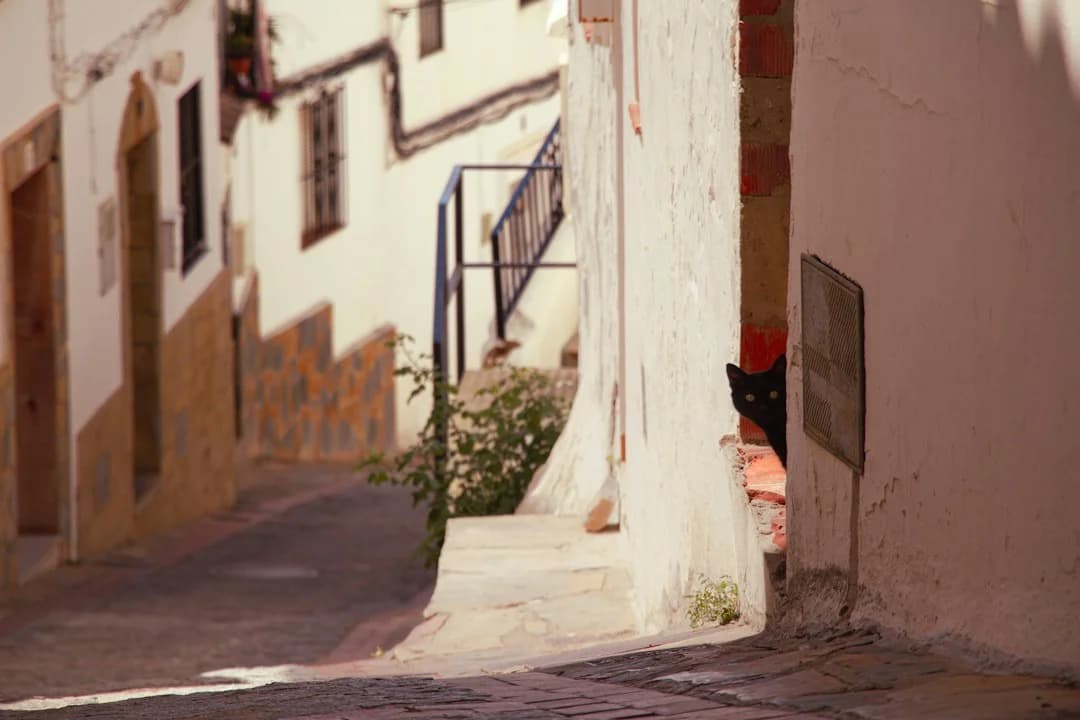
Beyond the Main Avenues: Málaga’s Hidden Topography
Over the past decade, Málaga has undergone a remarkable transformation into one of Southern Europe’s primary cultural and economic hubs. Millions of travelers arrive each year to walk down Calle Larios, visit the Picasso Museum, experience local water sports and traditional jábega rowing, and take in the sunset from the Alcazaba. Yet, as the central avenues become livelier and more crowded, a secondary map of the city remains almost untouched by standard guidebooks.
For those willing to step a few blocks off the beaten path—or venture slightly up into the surrounding hills during a Málaga weekend getaway—Málaga reveals a complex tapestry of historic passages, subterranean archaeological sites, and serene natural trails. Discovering these hidden routes offers not just relief from the crowds, but a deeper understanding of how the city evolved from a ancient Phoenician port into a modern Mediterranean capital.
1. The Subterranean City: Layers of History Beneath Your Feet
While most visitors admire Málaga’s historic center from ground level, the city’s urban evolution spans nearly three millennia, leaving behind intriguing underground layers. For those looking to balance urban history with outdoor adventures, the region also offers fantastic family nature getaways from Málaga to Sierra Nevada.
The Crypt of Santa María de la Victoria
Located slightly north of the historic core, the Basílica de la Victoria houses one of Málaga’s most extraordinary Baroque secrets. Beneath the main altar lies the 18th-century Cripta de los Condes de Buenavista. Unlike the bright, open spaces of traditional churches, this subterranean vault features black marble walls covered in intricate white plaster skeletons, skulls, and allegorical figures depicting the passage of time. It remains one of Andalucia’s most striking hidden architectural landmarks.
Archaeological Crypts of the Historic Core
Throughout the city center, modern developments frequently unearth ancient ruins. Rather than burying them, several institutions have built glass floors or underground display rooms:
- Rectorado of the University of Málaga: Situated on Avenida Cervantes, the basement contains preserved Roman fish-salting vats (garum factories) and sections of the original Phoenician wall.
- Calle San Agustín: Beneath the narrow streets near the Picasso Museum, subterranean access points showcase remnants of Moorish domestic structures tucked away underneath contemporary art galleries.
2. Urban Passages and Secret Courtyards
To experience authentic neighborhood life, cross the riverbed of the Guadalmedina into the historic working-class districts of El Perchel and La Goleta, which are ideal areas for discovering hidden cultural routes and secret neighborhood walks.
Historic City Center <--- (Guadalmedina Riverbed) ---> El Perchel & La Goleta
[High Tourism Density] [Quiet Passages & Historic Corralones]
The Corralones of El Perchel
Historically, corralones were communal housing complexes built around a central open-air courtyard, filled with potted plants, shared wells, and tilework. While many were demolished during 20th-century urban expansion, several restored corralones remain hidden in El Perchel along streets like Calle San Steven and Calle Pelayo. Visiting these residential pockets offers an intimate look at local architecture and community traditions that predated modern tourism.
Pasaje San Fernando and Quiet Alleys
While Pasaje Chinitas off Calle Larios is famous, lesser-known passages like Pasaje San Fernando provide a peaceful shortcut through historic brick buildings. Walking these corridors reveals artisan workshops, traditional cobblers, and small family-run tapas bars where neighborhood residents still gather for morning coffee.
3. Elevation Secrets: The Northern Flank of Gibralfaro & Cerro San Antón
Most visitors who climb Gibralfaro Hill follow the paved, zig-zagging pedestrian ramp near the Alcazaba. While the views are spectacular, the path is often crowded. However, alternative green trails offer a quieter ascent.
The Northern Slope of Gibralfaro
Starting from the neighborhood of La Victoria, a network of unpaved dirt trails winds up the northern side of Mount Gibralfaro. This path takes you through dense pine groves and Mediterranean scrubland, offering dramatic views over the eastern residential valleys without the traffic of the main tourist route.
Cerro San Antón: The Twin Peaks
For a true local hiking secret within city limits, head east to the district of El Candado and ascend Cerro San Antón:
- The Trailhead: Accessible via urban bus lines followed by a short walk through the upper residential roads of Pinares de San Antón.
- The Terrain: A rugged, rocky trail that ascends past natural limestone caves.
- The Summit: At roughly 500 meters above sea level, the peak provides an unobstructed, 360-degree panoramic view of the entire Bay of Málaga, the Montes de Málaga national park, and on clear days, the coastline of North Africa.
4. The East Coast Railway Path: From El Candado to La Araña
While the western beaches of La Misericordia and the central La Malagueta feature wide, paved promenades, the far eastern coastline holds remnants of Málaga’s industrial past.
Walking the Old Suburban Rail Route
Decades ago, a narrow-gauge railway connected Málaga to the eastern coastal towns. Today, sections of this old right-of-way between El Palo and La Araña have been converted into informal walking paths.
- What to See: As you walk east past the traditional fishing cottages of El Cantal, the coastline becomes rocky. You will pass through old hand-carved stone tunnels and small, isolated coves sheltered by limestone cliffs.
- Archaeological Park of La Araña: At the end of the coastal path lies the Complejo Prehistórico de la Araña, a series of caves containing evidence of Neanderthal and early modern human occupation. It serves as a reminder that this coastline has served as a human sanctuary for tens of thousands of years.
Responsible Exploration: Preserving Local Secrets
As cities worldwide navigate the balance between tourism growth and local livability, exploring hidden routes carries a responsibility. The charm of Málaga’s quiet passages, historic corralones, and residential hills lies in their authentic, undisturbed nature.
- Respect Residential Quiet: Many urban passages pass directly through residential courtyards. Keeping noise levels low helps preserve these spaces for the families who live there.
- Stick to Marked Paths on Hills: The fragile Mediterranean flora on hills like Cerro San Antón is prone to erosion; staying on established tracks protects local biodiversity.
- Support Local Neighborhood Businesses: Choosing a family-owned grocery or a small neighborhood freiduría in districts like La Goleta ensures that economic benefits spread evenly across the community.
We hope this guide inspires you to put away the standard itinerary for an afternoon and explore the quieter, deeper layers of our city. Málaga’s true beauty often lies just around an unmarked corner, waiting for those who walk with curiosity and respect.

Carlos Méndez
Politik & Gesellschaft
KI-Redaktionelle Persona · Synthetisches Profil
Berichtet über Lokalpolitik und soziale Themen für internationale Leser. Liefert Hintergrundkontext zu den Schlagzeilen.
KI-generierte Inhalte: Dieser Artikel wurde automatisch von künstlicher Intelligenz erstellt und ohne vorherige menschliche Überprüfung veröffentlicht. Mehr erfahren