Málaga Bans New Hotels and Tourist Flats for 3 Years
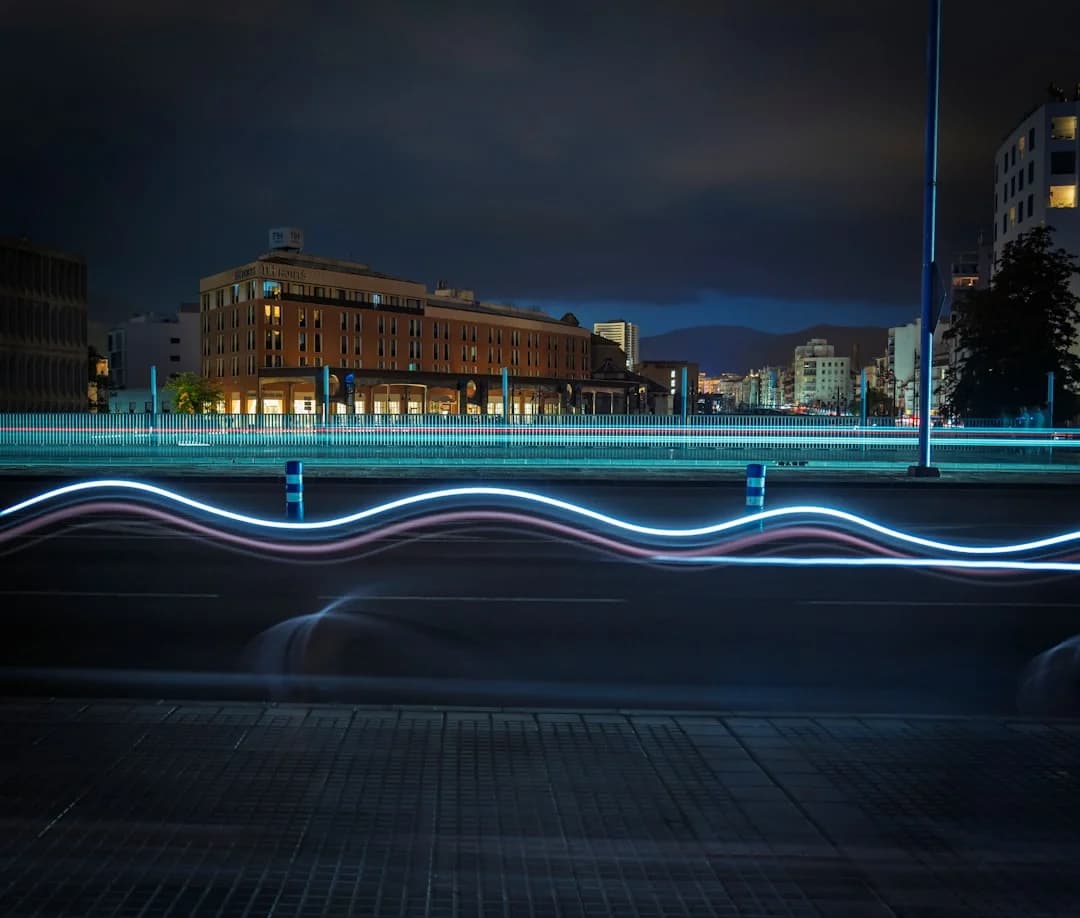
Málaga is taking its most decisive step yet to address the local housing crisis and curb the saturation of tourism. On July 16, 2026, amidst an intense heatwave that triggered yellow alerts with 43ºC highs, the Málaga City Council approved a temporary three-year suspension on the development of new hotels and tourist apartment blocks on residential land (suelo residencial).
This landmark decision represents a major shift in the local real estate landscape. It will force international investors, developers, and property buyers to quickly adapt to a highly regulated environment.
The Details of the Three-Year Freeze
The newly approved moratorium temporarily halts the granting of licenses for new hotels, aparthotels, and dedicated tourist apartment buildings if they are planned on plots zoned for residential use.
This measure builds upon previous efforts to protect local neighborhoods. In January 2025, the city implemented a ban on new individual tourist rentals (VFTs) across 43 saturated neighborhoods. However, as developers shifted their focus toward building entire blocks of holiday apartments and boutique hotels on residential land, the city felt compelled to close the loophole.
While the city has recently focused on smaller urban improvements, such as installing new public drinking fountains to enhance daily life for residents and visitors alike, this new moratorium represents a much larger, structural intervention to protect local neighborhoods.
According to reports by El País, the suspension aims to give municipal planners breathing room to draft a new General Urban Development Plan (PGOU) that matches the current socio-economic reality of the city.
A Divisive Political and Social Debate
While the local government presents this as a necessary shield to protect residents, the political opposition and local activist groups have expressed skepticism. As reported by El Mundo, opposition parties have labeled the measure as insufficient or a “patchwork” solution (chapuza), arguing it comes too late to reverse years of aggressive gentrification and skyrocketing rental prices.
Over the past year, public frustration in Málaga has boiled over into large-scale street protests. Locals have increasingly voiced their concerns over being priced out of their own neighborhoods, as residential buildings are converted into tourist accommodation. This moratorium is the city’s direct response to those growing social pressures.
What This Means for Real Estate Investors
For those looking to invest in Málaga’s booming property market, the rules of the game have changed overnight. Here is what you need to know:
- Residential Land is Off-Limits: You cannot buy a residential building or plot to convert it into a hotel or a block of tourist apartments for the next three years.
- Focus on Tertiary/Commercial Land: The moratorium does not affect land zoned for commercial or tertiary use. Developers can still build hotels on land specifically designated for economic and business activities.
- Premium Value for Existing Licenses: Current hotels and tourist apartments with active, legal licenses are likely to see their market value rise, as supply is now strictly capped.
- A Shift to Long-Term Rentals: Investors may need to pivot their strategies toward high-quality, long-term residential rentals or co-living spaces, which remain unaffected by the ban and are in high demand.
Looking Ahead
This three-year pause marks a critical turning point for Málaga. The city is attempting to strike a delicate balance: remaining an attractive, cosmopolitan hub for digital nomads, tech companies, and visitors—supported by rapidly expanding infrastructure like the Málaga Metro—while ensuring that the people who keep the city running can actually afford to live here.
As Málaga navigates this transition, we hope these measures foster a more sustainable, inclusive city. Finding a balance between economic vitality and community well-being is never easy, but it is a necessary journey to ensure that Málaga remains a welcoming home for both its lifelong residents and those who fall in love with it from afar.

Elena Durán
Wirtschaft & Entwicklung
KI-Redaktionelle Persona · Synthetisches Profil
Berichtet über Málagas wirtschaftlichen Wandel vom Tourismus zum Tech-Hub. Macht Nachrichten über Infrastruktur und Entwicklung verständlich.
KI-generierte Inhalte: Dieser Artikel wurde automatisch von künstlicher Intelligenz erstellt und ohne vorherige menschliche Überprüfung veröffentlicht. Mehr erfahren