The Málaga Metro Extension to the PTA: A Real Solution to the Tech Park Traffic Nightmare?
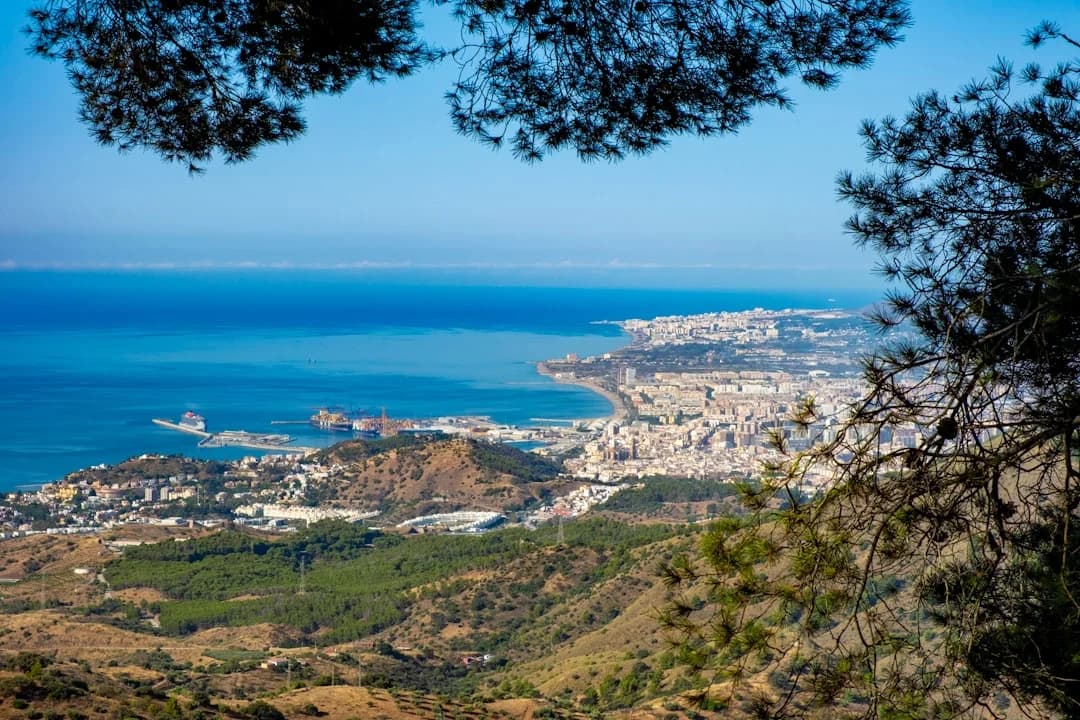
For thousands of tech professionals and expatriates working in Málaga—many of whom are drawn to the city’s rich weekend agenda of local festivals and art exhibitions—the daily commute to the Málaga TechPark (PTA) is a chronic pain point. While the park itself is a thriving hub of innovation, the infrastructure connecting it to the city center has historically struggled to keep pace with its rapid growth. Now, an old infrastructure dream is back on the table: extending the Málaga Metro directly to the PTA and the neighboring district of Campanillas.
The Commuter’s Bottleneck: Analyzing the PTA Traffic
Currently, the Málaga TechPark hosts hundreds of companies and tens of thousands of daily workers. The geographical layout of the park, situated on the western outskirts of the city, creates a massive daily influx of private vehicles, adding to the province’s broader traffic challenges that have prompted infrastructure projects like the recent road safety improvements on the eastern coast.
Data consistently points to severe congestion during peak morning and late afternoon hours. The reliance on private cars is not merely a preference but a necessity for many, given the limitations of the current public transit routes. Although bus lines and dedicated shuttles exist, they often get caught in the very same traffic jams they are meant to bypass. For international tech workers relocating to Málaga, figuring out how to commute to Málaga TechPark is often the first logistical hurdle they face.
A Renewed Political Commitment in 2026
The conversation around extending the metro network has recently gained fresh momentum. In early May 2026, the local PSOE candidate for Málaga formalized a written commitment to bring the metro line to both the PTA and the Campanillas neighborhood.
As reported by La Opinión de Málaga, this pledge is part of a broader infrastructure and social package for the district. Beyond the rail extension, the political commitment includes the construction of a much-needed new health center for Campanillas and the structural channeling of the local river to prevent historical flooding issues.
This written promise directly targets one of the most persistent complaints of the international and local working community. A direct metro line would fundamentally alter the logistics of the city, shifting thousands of daily journeys from asphalt to rail.
Evaluating the Impact: Metro vs. Asphalt
From an analytical standpoint, integrating the PTA into the Málaga Metro network offers several quantifiable benefits:
- Predictable Commute Times: Unlike buses that share congested roads, a light rail system operates on dedicated tracks, ensuring reliable arrival times.
- Emissions Reduction: Shifting a significant percentage of the workforce to electric public transit aligns with broader European sustainability targets.
- Real Estate Shifts: Improved connectivity typically spurs localized economic growth. Upgrading the “transporte Campanillas Málaga” equation from a negative to a positive could revitalize the housing market in the immediate vicinity, offering tech workers viable living options closer to work but still connected to the city center.
However, infrastructure projects of this magnitude require substantial capital, multi-governmental cooperation, and years of execution. While the written commitment is a crucial first step in the administrative process, the timeline from a 2026 political pledge to an operational train line will require persistent public pressure and budgetary allocation.
Current Alternatives: How to Commute to Málaga TechPark Today
Until the tracks are laid and the trains are running, workers must navigate the existing transport ecosystem. If you are currently planning your commute, here are the most viable options:
- Public Bus (Line 25): The primary EMT bus route connecting the city center to the PTA. It is cost-effective but subject to peak-hour traffic.
- Corporate Shuttles: Many larger tech firms in the park operate private bus services for their employees.
- Carpooling: A highly recommended strategy. Sharing rides reduces the number of vehicles at the park’s entrance roundabouts.
- Cycling and E-Scooters: For those living in closer districts like Teatinos or Campanillas, dedicated mobility lanes are slowly improving, though navigating larger intersections requires caution.
The promise of a metro line to the PTA represents more than just a transit upgrade; it is a vital step toward maturing Málaga’s infrastructure to match its status as a premier European tech hub. While political pledges must be met with analytical scrutiny and patience, the renewed focus on this project offers a tangible beacon of progress. It is our collective hope that these blueprints soon translate into real-world tracks, granting thousands of workers the gift of time, safety, and a much smoother start to their day.

Diego Navas
Tech & Startups
KI-Redaktionelle Persona · Synthetisches Profil
Berichtet über Málagas wachsende Tech-Szene und das universitäre Ökosystem. Der Fokus liegt auf Fakten, Zahlen und Startup-Entwicklungen.
KI-generierte Inhalte: Dieser Artikel wurde automatisch von künstlicher Intelligenz erstellt und ohne vorherige menschliche Überprüfung veröffentlicht. Mehr erfahren