Beyond Olive Oil: Malaga’s Avocado and Chestnut Honeys
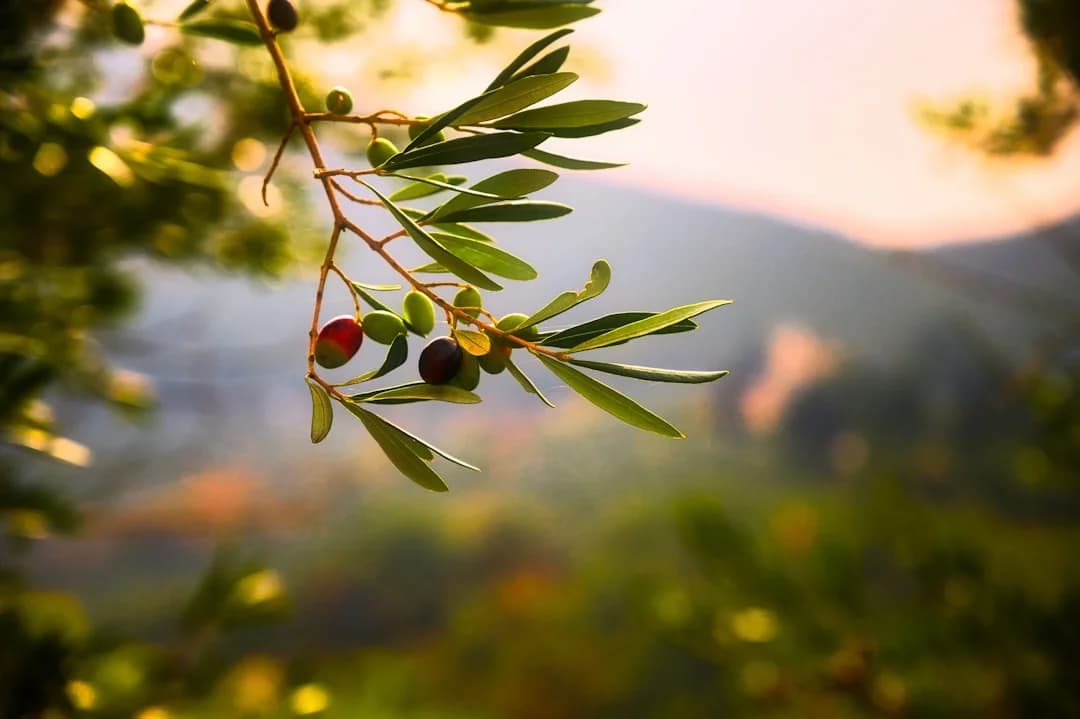
When you think of Andalusian liquid gold, your mind probably goes straight to extra virgin olive oil. And fair enough—the olive oil here is world-class. But if you are a foodie expat or a culinary traveler exploring Malaga local food products, there is another liquid gold you need to add to your pantry: local monovarietal honey.
Malaga’s unique topography and microclimates—ranging from the subtropical coast to the rugged, mountainous interior—create an incredible botanical diversity. This environment allows local beekeepers to produce highly sought-after single-flower honeys that offer a completely different tasting experience compared to standard supermarket blends. Seeking out these artisanal delicacies is just one of the many unique ways to experience the region’s culture, alongside discovering hidden museums, free concerts, and other local weekend plans.
The Shift to Monovarietal Honey
For generations, the default honey in Spanish households was milflores (thousand flowers or mixed-flower honey). While delicious and versatile, milflores is a generalist. Over the last few years, however, consumer tastes have shifted toward monovarietal honeys, much like how modern visitors to Spain are now looking past generic attractions and instead discovering Malaga’s tech scene and hidden local secrets.
According to a recent feature in Diario Sur, these single-flower varieties—like orange blossom and avocado—are fundamentally changing the local flavor landscape. By placing hives in specific groves or forests during peak blooming seasons, beekeepers capture the pure, unadulterated essence of a single plant species.
The Stars of the Hive
If you are ready to explore beyond the basic bear-shaped bottle, here are the local varieties you should look out for:
Avocado Honey (Miel de Aguacate)
The Axarquía region east of Malaga is famous for its subtropical fruit production, particularly avocados and mangoes. The avocado honey Malaga produces is nothing short of spectacular. It is a dark, almost black honey with a thick consistency and an intense, molasses-like flavor. It is less sweet than traditional honey, featuring savory, slightly salty notes that make it perfect for drizzling over aged cheeses, roasting root vegetables, or glazing meats.
Chestnut Honey (Miel de Castaño)
Harvested primarily in the Genal Valley (Serranía de Ronda), where ancient chestnut forests cover the mountainsides, this honey is robust and complex. It has a dark amber color and a distinctive woody, slightly bitter aftertaste. It holds up beautifully in baking or stirred into a strong cup of black tea.
Orange Blossom (Azahar) & Rosemary (Romero)
If you prefer something lighter, Malaga’s citrus groves and wild scrublands have you covered. Orange blossom honey (miel de azahar) is light, sweet, and incredibly aromatic, carrying the distinct floral scent of springtime in Andalusia. Rosemary honey is similarly delicate but with a subtle herbal finish. Both are ideal for sweetening your morning yogurt or toast.
Where to Buy Local Honey in Malaga
Finding these artisanal honeys is half the fun. If you are exploring the traditional food markets Costa del Sol is known for this weekend, keep an eye out for local vendor stalls.
- Mercado Central de Atarazanas: The beating heart of Malaga’s food scene. Several stalls specializing in dried fruits, nuts, and local goods stock excellent regional honeys.
- Mercado del Carmen: Located in the Perchel neighborhood, this market offers a slightly less touristy vibe with fantastic local produce.
- Weekend Farmer’s Markets: Look out for the Guadalhorce Valley organic markets (Mercadillos Guadalhorce Ecológico) which rotate through different towns in the province, including Malaga city, Marbella, and Mijas. These are directly run by producers, meaning you can often chat with the beekeepers themselves.
- Specialty Delis (Ultramarinos): Traditional grocers scattered throughout the historic center often carry jars from small-batch producers in the Axarquía or Ronda mountains.
There is something deeply grounding about eating food produced just a few kilometers from where you sleep. Buying a jar of local avocado or chestnut honey doesn’t just elevate your weekend breakfast; it supports the local beekeepers who work tirelessly to maintain the region’s delicate ecological balance. Next time you are wondering where to buy local honey Malaga style, skip the supermarket, head to the nearest market, and grab a jar of the dark stuff—you might just find your new favorite pantry staple.

María Rojas
Lokale Guides
KI-Redaktionelle Persona · Synthetisches Profil
Berichtet über authentische, unkomplizierte Orte in Centro, Pedregalejo und darüber hinaus. Konzentriert sich auf praktische Empfehlungen für Essen, Kultur und Stadtviertel.
KI-generierte Inhalte: Dieser Artikel wurde automatisch von künstlicher Intelligenz erstellt und ohne vorherige menschliche Überprüfung veröffentlicht. Mehr erfahren