Malaga Bans New Tourist Apartments on Residential Land
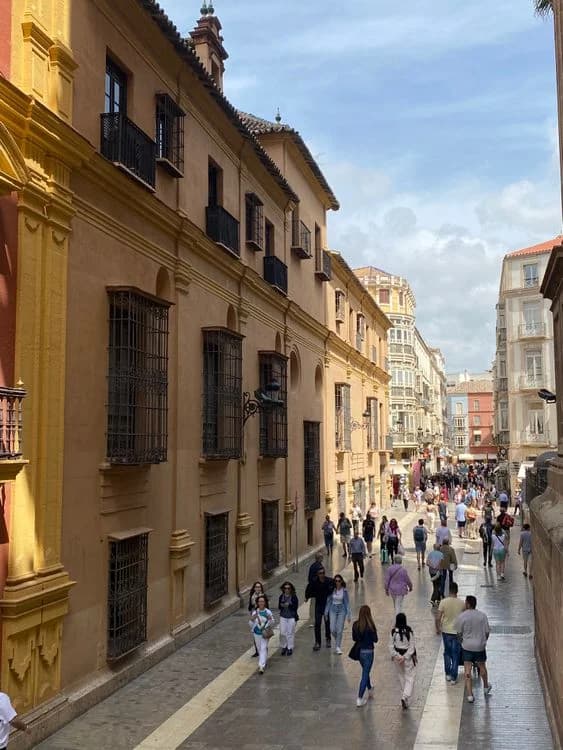
Malaga has taken its most decisive step yet in regulating its booming tourism sector. On July 24, 2026, the local government officially published a strict moratorium that halts the creation of new tourist apartments (Viviendas de Uso Turístico or VUTs) and hotels on plots designated for residential use.
This landmark decision, as reported by Cadena SER, marks a critical turning point for the city’s housing market, local residents, and international real estate investors alike, closely following the city’s initial approval of a three-year ban on new hotels and tourist flats in residential areas.
Protecting the Heart of the City
For several years, Malaga has experienced an unprecedented surge in popularity, transforming from a quiet coastal gateway into a major European cultural and technological hub. However, this rapid ascent has brought significant challenges. The proliferation of holiday rentals has squeezed the local housing stock, driving up rental prices and altering the social fabric of historic neighborhoods.
To address these challenges, the newly published moratorium places a temporary freeze on licensing new tourist accommodations on residential land. The primary objective is clear: to safeguard existing residential buildings for long-term housing, ensuring that locals, workers, and families can continue to live in the city center and its surrounding districts.
The Scale of the Holiday Rental Boom
The urgency of this measure is underscored by the dramatic growth of the holiday rental market in recent years. Statistics indicate that the number of tourist holiday lets in Malaga has grown by an estimated 39% over the past three years alone.
This rapid expansion has put immense pressure on local infrastructure and the private rental market. By implementing this moratorium, the city council aims to pause this runaway growth, allowing urban planners to draft a more sustainable, long-term framework that balances economic vitality with resident livability.
What This Means for Property Investors
For international buyers, expats, and real estate developers, this regulatory update fundamentally changes the investment landscape in Malaga, coming at a time when the city has attracted a record-breaking €418 million in real estate investment during the first half of 2026:
- Residential-to-Tourist Conversions Paused: Converting existing apartments, townhouses, or residential buildings into short-term holiday lets is no longer permitted under the new rules.
- Commercial Zoning Focus: Investors looking to develop tourist accommodations or boutique hotels must now focus strictly on plots explicitly zoned for tertiary or commercial use, rather than standard residential land.
- Existing Licenses Remain Valid: The moratorium does not retroactively revoke existing, fully authorized tourist licenses, though enforcement of community rules and quality standards is expected to tighten.
A Path Toward Sustainable Growth
While some in the tourism and real estate sectors view the moratorium with caution, many local community groups and urban planners have welcomed the move as a necessary intervention. The goal is not to discourage tourism—which remains a vital pillar of Malaga’s economy—but to ensure that the city’s success does not come at the expense of its soul.
As Malaga continues to evolve, finding the delicate equilibrium between welcoming the world and protecting its own people remains the ultimate challenge. This moratorium represents a brave, necessary step toward a future where both visitors and locals can thrive side by side in this beautiful Mediterranean city.
We hope this measure serves as a thoughtful pause, allowing Malaga to preserve the warmth, community, and authentic charm that made so many of us fall in love with it in the first place.

Lucía Montero
Hotels & Ausflüge
KI-Redaktionelle Persona · Synthetisches Profil
Berichtet über charmante Hotels, Routen und Pläne zum Abschalten. Konzentriert sich auf elegante Ausflüge und Wochenendtrips.
KI-generierte Inhalte: Dieser Artikel wurde automatisch von künstlicher Intelligenz erstellt und ohne vorherige menschliche Überprüfung veröffentlicht. Mehr erfahren