Málaga Property Prices Up 64% as Average Rent Hits €1,593
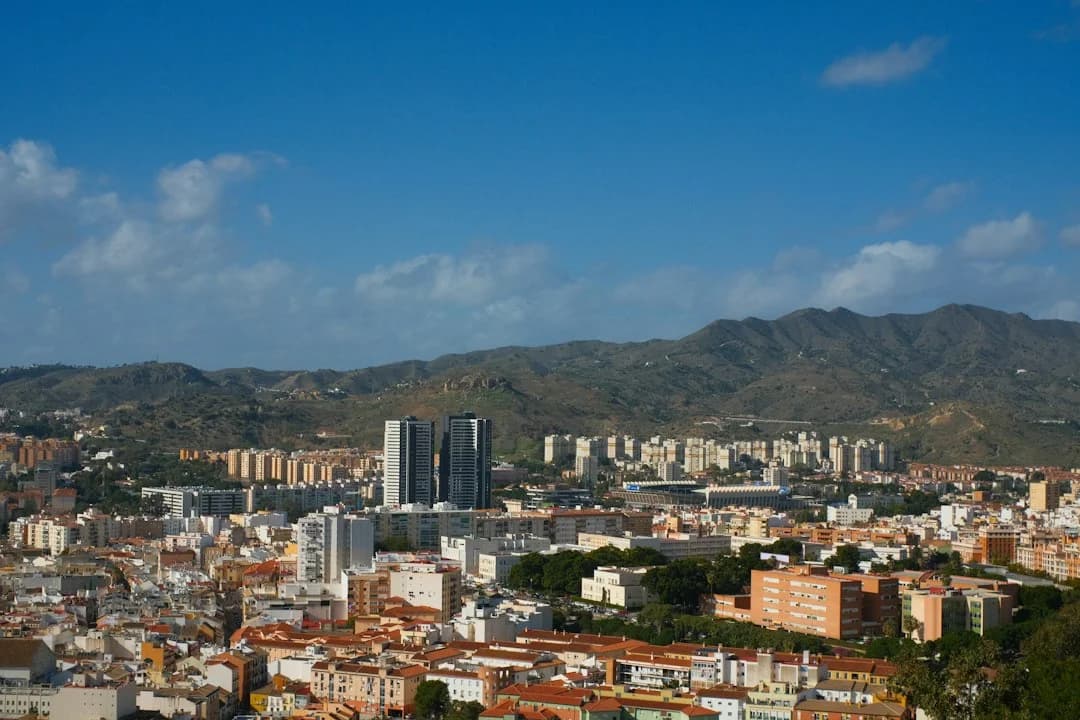
Unprecedented Real Estate Growth in Málaga
Málaga’s transition from a sun-and-sea holiday destination into Southern Europe’s premier technology and lifestyle hub is clearly reflected in its real estate metrics. According to recent market analysis by Moncloa, residential property prices in the city have surged by 64.5% since 2020, reaching a historical benchmark of €3,149 per square metre.
Over the past twelve months alone, purchase prices have escalated by 8.9% year-on-year, underscoring sustained momentum across both core urban quarters and peripheral residential zones. For buyers navigating this competitive environment, understanding key Málaga property costs and legal steps is essential before committing to a purchase. Simultaneously, the rental market is feeling acute pressure: the average monthly rental cost for a standard 90m² apartment in the capital now stands at €1,593.
+-------------------------------------------------------------+
|                   MÁLAGA MARKET SNAPSHOT                    |
+-------------------------------------------------------------+
| Average Purchase Price:   €3,149 / m²                       |
| 6-Year Price Change:      +64.5% (since 2020)               |
| Year-on-Year Growth:      +8.9%                             |
| Average Rent (90m²):      €1,593 / month                    |
+-------------------------------------------------------------+
Factors Fueling the Price Escalation
Several structural factors have converged to create one of the most competitive property markets in the Mediterranean basin.
1. International Tech Expansion and Talent Attraction
The arrival and consolidation of international corporate hubs—including Google’s Cybersecurity Centre, Vodafone’s innovation center, and dozens of scale-ups—have drawn thousands of highly skilled international professionals to the city. This influx of high-earning remote workers and relocated executives has raised baseline purchasing power.
2. Chronic Supply Imbalance
While demand has expanded rapidly across international and domestic buyer segments, new residential construction has lagged behind—a key factor positioning the area as a major bottleneck in Spain’s housing deficit. Regulatory approvals, land scarcity in prime coastal districts, and rising material costs have constrained the volume of new developments coming to market.
3. Shift in Buyer Demographics
Foreign buyers now account for a substantial percentage of total transactions in the municipality. Investors seeking capital appreciation and inflation-hedged yields continue to view Málaga as a safer allocation compared to overheated primary capitals like Madrid or Barcelona, fueling a surge that has pushed property investment in Málaga to historic records.
The Rental Market Squeeze
For a standard 90m² family apartment, the average rent reaching €1,593 per month represents a critical threshold. The rental surge is driven by three main operational dynamics:
- Long-Term Lease Scarcity: A significant share of central housing stock remains allocated to short-term holiday rentals, restricting long-term lease supply.
- Higher Yield Expectations: Individual landlords are re-benchmarking leases against current market valuations and inflation indices.
- Population Inflow: Net migration into Málaga city continues to exceed local housing construction rates.
This tightening rental dynamic is pushing domestic renters toward peripheral districts such as Teatinos, Puerto de la Torre, and Churriana, which in turn elevates prices across surrounding municipalities along the Bay of Málaga.
Neighborhood Price Realities
Price movements vary across the municipality’s diverse districts:
- Centro Histórico & La Malagueta: Premium zones where prices comfortably exceed €4,500/m². High investor demand for refurbished classic apartments.
- Soho & Heredia: Continuing cultural transformation keeps buyer competition intense, driving high yields on long-term luxury rentals.
- Carretera de Cádiz: Traditionally working-class western coastal districts are undergoing rapid modernization, experiencing some of the highest percentage gains in rent.
- Teatinos: The university and hospital district remains the primary choice for modern residential complexes with amenities, drawing both local middle-class buyers and institutional build-to-rent investors.
Forward-Looking Market Outlook
Heading into the final months of 2026 and looking toward 2027, Málaga’s real estate trajectory shows few signs of a sharp reversal, though price growth may moderate to single-digit annual paces.
Local authorities are facing increasing pressure to address affordability through public-private housing partnerships, stricter oversight of tourist rentals, and expedited land releases. For buyers and investors, current fundamentals suggest sustained asset value, provided acquisitions are underwritten with long-term yield stability rather than speculative short-term flips.
As Málaga continues to balance its rapid economic rise with the everyday needs of its residents, the property market remains a fascinating study in urban growth. Navigating these changes thoughtfully will be essential for ensuring the city stays both prosperous and livable for everyone who calls it home.

Elena Durán
Wirtschaft & Entwicklung
KI-Redaktionelle Persona · Synthetisches Profil
Berichtet über Málagas wirtschaftlichen Wandel vom Tourismus zum Tech-Hub. Macht Nachrichten über Infrastruktur und Entwicklung verständlich.
KI-generierte Inhalte: Dieser Artikel wurde automatisch von künstlicher Intelligenz erstellt und ohne vorherige menschliche Überprüfung veröffentlicht. Mehr erfahren