Power Grid Shortages Stifle Málaga Data Center Growth
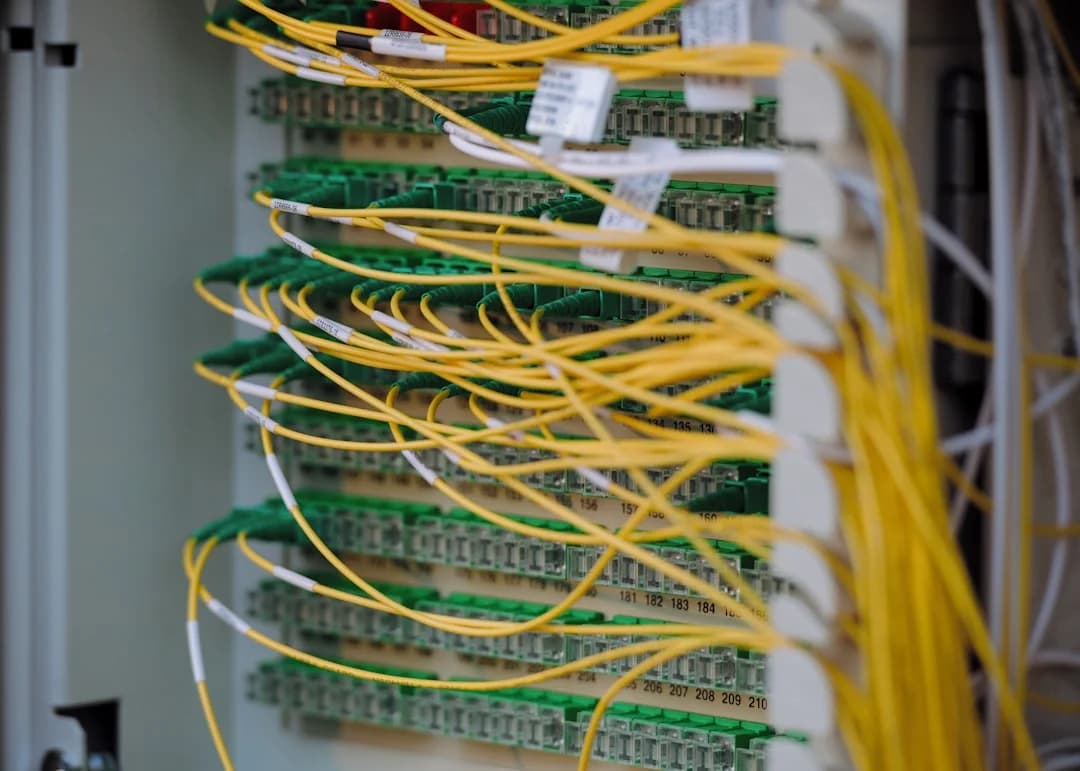
The Infrastructure Bottleneck Threatening Málaga’s Tech Boom
Málaga has successfully positioned itself as Southern Europe’s premier technology hub. As the city matures from a lifestyle destination for digital nomads into an industrial powerhouse, driven by the expansion of the Málaga TechPark (PTA) and the arrival of multinational giants like Google, Vodafone, and Citi, its digital economy is thriving. However, this rapid digital transformation has collided with a physical reality: the local electrical grid is running out of the capacity required to power the next phase of tech infrastructure—data centers.
Data centers are the physical backbone of the internet, cloud computing, and artificial intelligence. While Málaga has the talent, the climate, and the geographical advantage of subsea fiber-optic cables landing nearby, its limited power infrastructure threatens to stall millions of euros in potential investments—a resource challenge that puts urban priorities into perspective, much like why some view the Malaga World Cup 2030 withdrawal as a blessing in disguise for the city’s long-term development.
Why Data Centers Matter for Málaga
For a regional tech ecosystem to mature, it needs localized data storage and processing power. Local data centers reduce latency, improve data sovereignty, and attract high-tier cloud providers. Málaga’s strategic location makes it an ideal gateway between Europe, North Africa, and the Americas, especially with submarine cables landing on the Andalusian coast.
According to a July 2026 report by ABC, Málaga is actively striving to position itself as an attractive destination for these critical facilities. However, the sheer volume of electricity required by modern data facilities—often ranging from 10 to over 100 megawatts (MW) for a single site—presents an immediate operational challenge for the local grid.
The Energy Crisis: A Reality Check
The fundamental issue is that data centers are incredibly power-hungry. A medium-sized data center can consume as much electricity as a small town. Currently, Málaga’s electrical distribution network, managed by Endesa and overseen nationally by Red Eléctrica, is not designed to absorb such concentrated industrial loads on short notice.
While local authorities have recently approved measures to fast-track high-voltage power lines for major projects like the IMEC chip center, the broader grid still lacks the capacity required for widespread data center deployment.
This power deficit creates several hurdles for international investors:
- Delayed Project Approvals: Tech companies looking to build facilities face multi-year waiting lists just to secure grid connection permits.
- High Upfront Costs: Developers are often asked to co-fund expensive new electrical substations and high-voltage transmission lines to connect their facilities to the national grid.
- Competitor Regions Advancing: While Málaga navigates these bureaucratic and physical constraints, alternative Spanish hubs—such as Aragón, Madrid, and even neighboring areas with better-connected industrial parks—are successfully capturing these massive infrastructure projects.
The Scale of the Investment at Risk
Data center developments are capital-intensive. A single facility can represent an investment of €50 million to €300 million, generating highly skilled engineering jobs and long-term tax revenue for the municipality.
Furthermore, the rise of generative artificial intelligence (AI) has exponentially increased global demand for high-performance computing (HPC) clusters. This computational push is already underway, highlighted by the news that Málaga is set to host Europe’s most powerful quantum computer. However, these advanced systems require even denser power configurations than traditional cloud storage. If Málaga cannot guarantee a stable, high-capacity, and green power supply, it risks being excluded from the next AI infrastructure wave.
Strategic Solutions on the Horizon
To resolve this energy dilemma, coordinated action is required at municipal, regional, and national levels. Several key strategies are currently being discussed by industry stakeholders and policymakers:
- Grid Upgrades in the National Transmission Plan: Spain’s national grid operator (Red Eléctrica) must prioritize the expansion of high-voltage substations servicing the Málaga metropolitan area and the TechPark in its upcoming planning cycles.
- Integration of Renewable Energy: Andalusia is a powerhouse for solar energy. Direct power purchase agreements (PPAs) between data center operators and local solar farms could alleviate pressure on the public grid while meeting corporate sustainability goals.
- Co-location in Industrial Zones: Directing data center development to industrial areas outside the city center that already possess robust electrical connections, rather than concentrating them solely within the TechPark.
A Path Forward for Málaga’s Digital Future
As we watch Málaga evolve, it becomes clear that digital success cannot exist in a physical vacuum. Resolving these energy constraints is not just about keeping the lights on; it is about building the foundational infrastructure that will power the next generation of European innovation. We remain optimistic that collaboration between public administrators, energy providers, and tech investors will bridge this gap, ensuring Málaga’s digital future remains as bright as its climate.

Diego Navas
Tech & Startups
KI-Redaktionelle Persona · Synthetisches Profil
Berichtet über Málagas wachsende Tech-Szene und das universitäre Ökosystem. Der Fokus liegt auf Fakten, Zahlen und Startup-Entwicklungen.
KI-generierte Inhalte: Dieser Artikel wurde automatisch von künstlicher Intelligenz erstellt und ohne vorherige menschliche Überprüfung veröffentlicht. Mehr erfahren