Málaga Holds 38,000 Pending Homes in Land Bottleneck
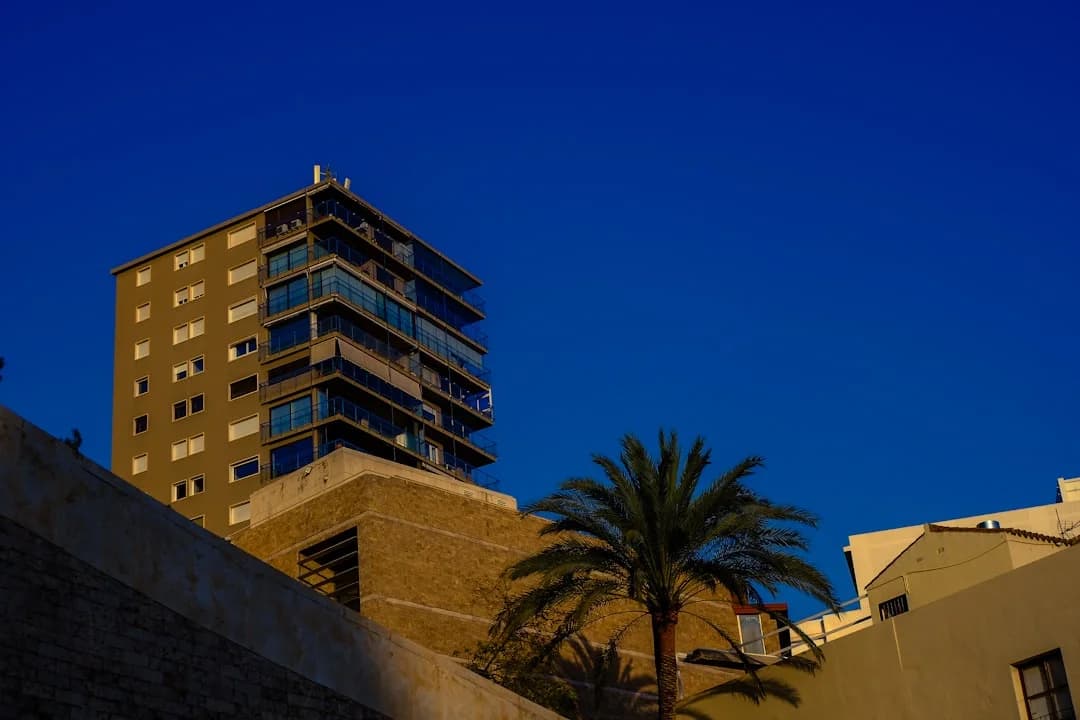
Málaga’s real estate market has reached a critical juncture. As demand from international relocators, investors, and local workers continues to climb, property prices and rental costs have reached record highs across the Costa del Sol. Yet, the root cause of this severe inventory shortage is not a physical lack of land, but rather a massive operational bottleneck.
Data from the Ministry of Housing reveals that Málaga capital holds nearly 50% of all unbuilt residential land across the entire province, representing approximately 38,000 planned housing units that remain trapped in planning delays and administrative red tape.
A Stalled Pipeline: What the Data Shows
According to reporting by La Opinión de Málaga, the municipal territory of Málaga city concentrates the vast majority of urban land zoned for future residential development. Despite having sufficient designated land on paper to accommodate tens of thousands of homes, the actual pace of construction falls significantly short of market demand.
Key aspects of the current bottleneck include:
* 38,000 Planned Homes: Concentrated within the capital’s municipal boundaries, accounting for roughly half of the province’s total residential land potential.
* Administrative Bureaucracy: Sectorization processes, environmental impact studies, and urban planning approvals regularly take years to navigate local and regional administrative channels.
* Infrastructure and Utility Deficits: Major expansion sectors require extensive upfront infrastructure investments—such as upgrading congested road networks, electrical grid connections, and water supply capacity—before vertical building can begin.
Why Málaga Capital Concentrates the Supply Deficit
Málaga’s rapid transformation into a southern European technology and business center has placed immense housing pressure on the capital city. While coastal municipalities like Marbella and Estepona underwent earlier housing booms targeted at secondary homes and holiday rentals—where authorities have recently enforced bans on new tourist apartment licenses—Málaga city’s master planning (PGOU) focused on large urban sectors intended for primary residences.
However, bringing these large sectors to market requires complex coordination between private landowners, municipal planners, regional departments, and utility providers. Developers face multi-year gaps between land acquisition and receiving building permits. Additionally, elevated construction costs and stricter financing criteria have delayed projects that were previously approved in principle.
Impact on Buyers, Renters, and Expats
For anyone looking to move to Málaga or invest in local real estate, these structural delays translate directly into high prices and limited market selection:
- Pressure on Existing Inventory: Slow delivery of new build completions directs buyer demand toward existing resale properties, pushing valuations higher.
- Extended Lead Times for Off-Plan Purchases: New residential projects in growing districts such as Teatinos, Sánchez Blanca (Distrito Z), and Cortijo Merino frequently sell out early, leaving buyers with multi-year wait times for delivery.
- Elevated Rental Rates: High barriers to homeownership keep a larger segment of the population in the long-term rental market, intensifying competition for available apartments.
Future Outlook: Unlocking Municipal Land
Resolving Málaga’s residential supply deficit requires streamlined urban governance and administrative modernizations. Accelerating planning procedures, digitizing permit workflows, and prioritizing public-private infrastructure partnerships will be crucial steps toward turning designated residential plots into actual homes.
Key Takeaway: Málaga does not lack physical space for new housing; it faces administrative and infrastructure hurdles in bringing existing zoned land to market. Until these 38,000 pending units progress from urban blueprints to active build sites, market supply will remain constrained.
As someone living in and watching this dynamic city transform, it is easy to feel the friction between Málaga’s booming popularity and the real-world housing pressures felt on the ground. Progress in urban development takes time, but clear planning, efficient administration, and sustained investment can build a more accessible future for everyone who calls Málaga home.

Elena Durán
Wirtschaft & Entwicklung
KI-Redaktionelle Persona · Synthetisches Profil
Berichtet über Málagas wirtschaftlichen Wandel vom Tourismus zum Tech-Hub. Macht Nachrichten über Infrastruktur und Entwicklung verständlich.
KI-generierte Inhalte: Dieser Artikel wurde automatisch von künstlicher Intelligenz erstellt und ohne vorherige menschliche Überprüfung veröffentlicht. Mehr erfahren