Roman Necropolis Discovered Under Calle Hilera During Metro Works
Málaga is a city that wears its history on its sleeve—and, as it turns out, buries it right under our daily commute. If you’ve been wondering why the ongoing Málaga Metro expansion seems to take a little longer than expected, the answer isn’t just standard bureaucratic tape. It is, quite literally, ancient history.
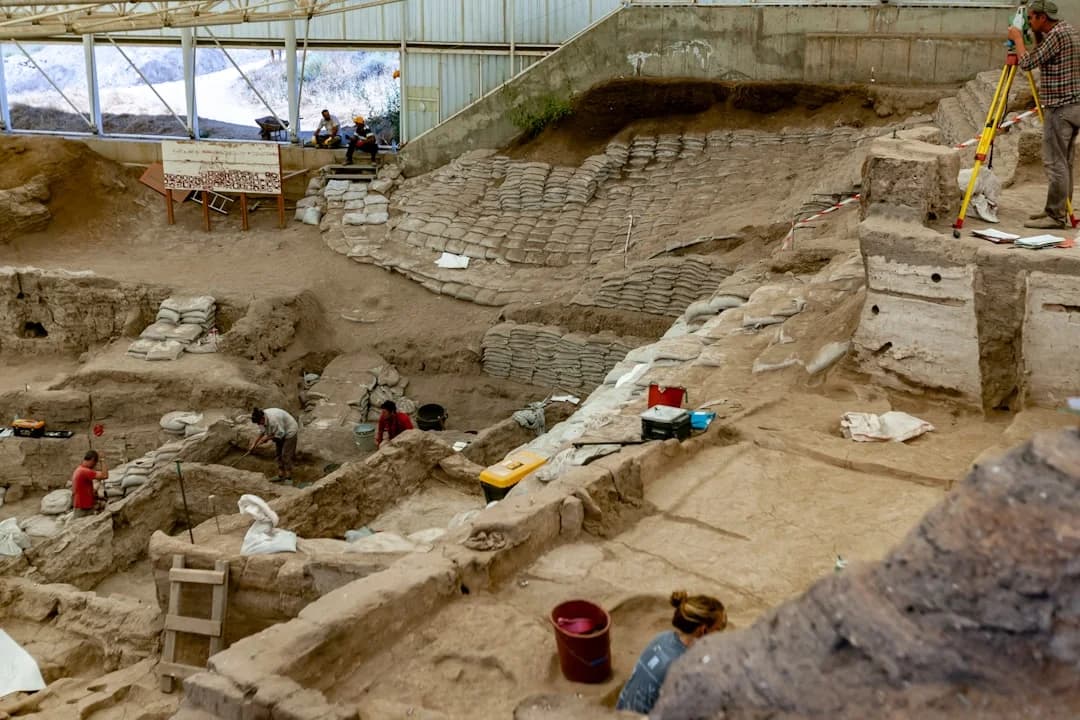
During the excavations for the metro network extension, workers unearthed a massive Roman necropolis right beneath Calle Hilera. With over 600 burials discovered so far, this archaeological find offers a fascinating glimpse into the lives of those who walked these streets two millennia ago.
A City Built on Centuries
Anyone who has lived in Málaga for a while knows the unwritten rule of local construction: if you dig a hole, you will probably find a piece of the past. The city center sits atop layers of Phoenician, Roman, and Moorish settlements.
The Calle Hilera discovery is one of the most significant urban archaeological finds in recent memory. According to ongoing updates from La Opinión de Málaga, the excavation teams have meticulously documented hundreds of ancient graves, carefully pausing modern progress to respect ancient residents.
What We Know About the Find
The sheer scale of the necropolis is staggering. Here is a quick look at what the archaeologists have uncovered beneath the asphalt:
- Over 600 burials: Ranging from simple graves to more complex resting places.
- Prime location: The site stretches beneath Calle Hilera, a busy artery that modern Malagueños use every day.
- Artifacts and insights: Alongside human remains, excavators find pottery, coins, and personal items that provide crucial data about the health, diet, and social status of Roman Malaca.
“It’s a stark reminder that our modern infrastructure is simply the latest layer in a city that has been thriving for thousands of years.”
Balancing Progress and Preservation
For daily commuters and local businesses, infrastructure delays can be a headache. The metro expansion is a massive, highly anticipated project meant to connect the city center with the Civil Hospital and beyond. When heavy machinery suddenly has to make way for archaeologists with trowels and brushes, timelines inevitably stretch.
However, this is the price of living in one of Europe’s oldest continuously inhabited cities. The law requires that any historical remains found during public works be properly excavated, cataloged, and, if significant enough, preserved. As noted in further local coverage by La Opinión de Málaga, city planners and heritage experts work closely to ensure that modern progress doesn’t erase our shared history.
What Happens Next?
Once the archaeological teams complete their documentation and safely relocate the artifacts to local museums or storage facilities, the metro works will resume. In some cases across Spain, significant ruins are integrated into modern infrastructure—imagine waiting for your train next to a glass-encased Roman wall—though it remains to be seen how the Calle Hilera findings will be permanently memorialized.
For history buffs, it’s an exciting time. It connects the dots between the Roman Theatre at the foot of the Alcazaba and the broader, bustling Roman port city that once dominated this coastline.
It is always a bit humbling to realize that the ground we walk on, drive over, and soon ride trains under, has been home to people going about their daily lives for thousands of years. While the traffic diversions and construction noise can test our patience, discoveries like the Calle Hilera necropolis remind us why Málaga is so deeply special. We aren’t just building a future here; we are continually uncovering the foundations of our past.

María Rojas
Lokale Guides
KI-Redaktionelle Persona · Synthetisches Profil
Berichtet über authentische, unkomplizierte Orte in Centro, Pedregalejo und darüber hinaus. Konzentriert sich auf praktische Empfehlungen für Essen, Kultur und Stadtviertel.
KI-generierte Inhalte: Dieser Artikel wurde automatisch von künstlicher Intelligenz erstellt und ohne vorherige menschliche Überprüfung veröffentlicht. Mehr erfahren