Beyond the Beach: Málaga’s Inland and Rural Tourism Boom
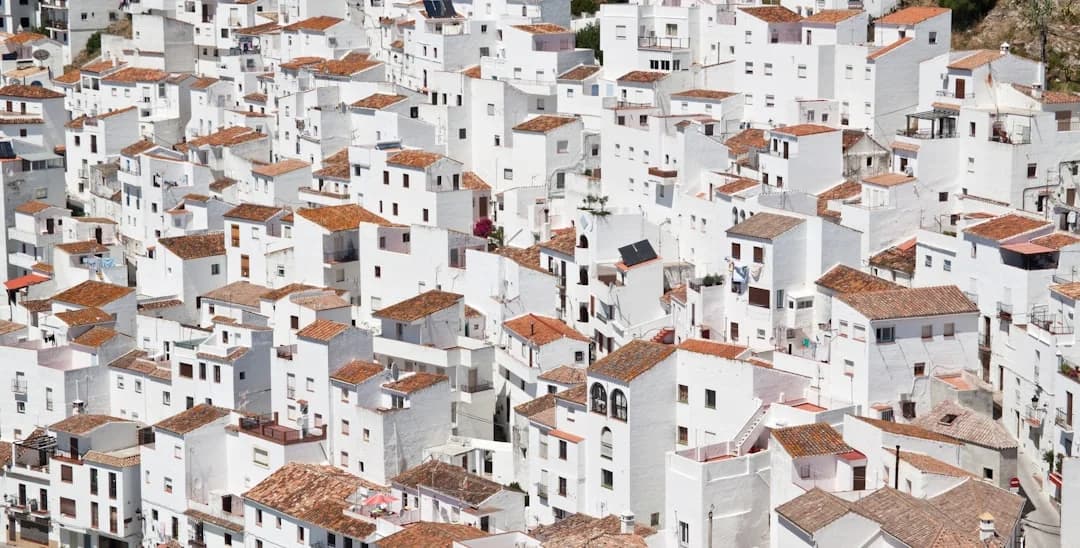
When people think of Málaga, the mind immediately drifts to sun-drenched beaches, chiringuitos, and the gentle lapping of the Mediterranean. But a significant shift is happening just a few miles inland. This May Day long weekend (Puente de Mayo), the province has seen a massive surge in visitors heading for the hills, proving that Málaga’s rural heart beats just as strongly as its famous coast.
The Numbers Speak for Themselves
If you tried booking a countryside retreat this weekend, you likely noticed options were scarce. Recent industry reports indicate that rural tourism occupancy hovered around a robust 70% for the holiday, setting a strong precedent for the upcoming pre-summer season.
But it’s not just the accommodations that are bustling. The desire for authentic, inland experiences has spilled over into the culinary scene. Restaurant reservations have seen a 4% bump compared to last year, with Málaga alone capturing 5% of the national reservation volume, a trend closely monitored by local outlets like Diario Sur. Travelers are actively seeking out hearty, traditional meals over standard tourist fare.
The Allure of the Traditional ‘Venta’
At the center of this inland culinary boom is the venta. Historically, these were simple roadside inns where merchants and farmers would rest and eat. Today, they are beloved culinary institutions scattered across the Montes de Málaga, the Guadalhorce Valley, and the Axarquía.
Why the sudden rush to the ventas? It comes down to authenticity and value. A typical venta offers a loud, bustling, and deeply local atmosphere. Here, you don’t ask for a tasting menu; you order a plato de los montes—a legendary mountain dish usually consisting of fried eggs, chorizo, morcilla (blood sausage), fried potatoes, and a generous cut of pork. It is unpretentious, incredibly satisfying, and represents the true rustic soul of Andalusian cooking.
Stocking Up: A Shopper’s Guide to Inland Málaga
Beyond sitting down for a meal, the rural tourism boom is heavily driven by agrotourism and the desire to bring a piece of the province home. Exploring the interior is the perfect excuse to stock your pantry with world-class local products directly from the source.
- Liquid Gold: Málaga’s olive oil is exceptional. Towns like Periana in the Axarquía or the rolling hills around Antequera produce some of the finest Extra Virgin Olive Oil in Spain. Buying directly from the almazara (olive mill) means you get the freshest product while supporting local farmers.
- Artisan Cheeses: The province boasts incredible dairy traditions, particularly goat cheese made from the native Payoya and Malagueña breeds. Look for raw milk cheeses from the Serranía de Ronda or the Guadalhorce Valley—they range from mild and creamy to intensely cured and coated in rosemary or paprika.
- Local Wines: Forget the mass-market bottles. The Sierras de Málaga denomination is producing outstanding, complex wines. While the sweet Moscatel from the Axarquía is historically famous, the region’s dry whites and bold reds (especially those from the high altitudes of Ronda) are currently turning heads in the international wine community.
Practical Tips for Your Inland Escape
If you are planning to join the movement and explore Málaga’s interior, keep a few practical things in mind:
- Book Ahead: As the 70% occupancy rate shows, rural Málaga is no longer a well-kept secret. Whether it’s a boutique casa rural or a Sunday lunch at a popular venta, reservations are highly recommended.
- Rent a Car: While public transport connects the major towns, the true charm of rural Málaga lies in the winding mountain roads and isolated villages. A car is essential for a proper day trip.
- Bring a Cooler: If you plan on buying fresh cheeses, cured meats, or local produce, having a cool bag in the trunk will ensure your culinary treasures survive the drive home.
There is a quiet, enduring magic in leaving the coastal highway behind and winding your way up into the mountains. The air smells of pine and wild herbs, the pace of life slows down, and the food tastes like it was made by a grandmother who has spent her whole life perfecting the recipe. Málaga’s beaches will always be there, but its rural heart is waiting to be explored.

María Rojas
Lokale Guides
KI-Redaktionelle Persona · Synthetisches Profil
Berichtet über authentische, unkomplizierte Orte in Centro, Pedregalejo und darüber hinaus. Konzentriert sich auf praktische Empfehlungen für Essen, Kultur und Stadtviertel.
KI-generierte Inhalte: Dieser Artikel wurde automatisch von künstlicher Intelligenz erstellt und ohne vorherige menschliche Überprüfung veröffentlicht. Mehr erfahren