TechPark Boom: 29,000 Workers but Infrastructure Lags
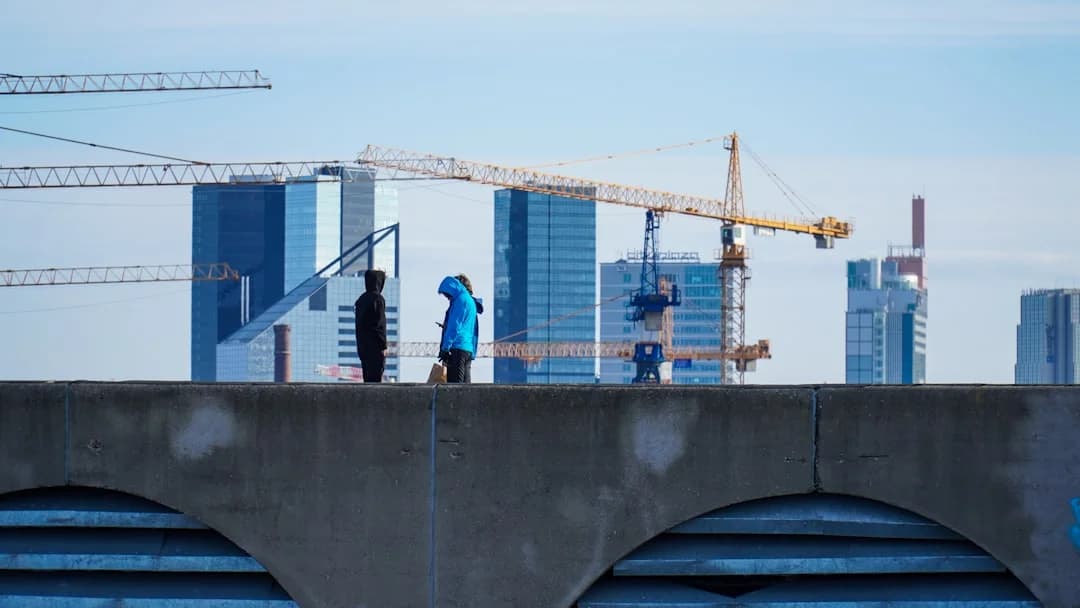
Malaga’s evolution from a sun-drenched tourist destination to a premier European technology hub is no longer a future projection—it is the current reality. At the core of this transformation is the Malaga TechPark (formerly the Parque Tecnológico de Andalucía, or PTA). The numbers speak for themselves: the park now accounts for an astonishing 30% of the city’s GDP and employs roughly 29,000 workers.
Yet, beneath the surface of this economic triumph lies a growing structural problem. The rapid influx of digital nomads, expatriates, and local tech talent has outpaced the city’s urban planning, putting immense pressure on local infrastructure. For the thousands commuting daily, the reality of working in the PTA often involves navigating severe mobility bottlenecks and a highly strained housing market.
The Economic Engine of Andalusia
The sheer scale of the TechPark’s economic footprint is difficult to overstate. What began as a modest initiative to diversify the local economy has ballooned into a sprawling campus hosting multinational corporations, agile startups, and advanced R&D centers.
- GDP Contribution: Generating 30% of Malaga’s Gross Domestic Product.
- Workforce: 29,000 direct employees, with thousands more in indirect roles.
- Corporate Presence: Over 600 companies operating within the park boundaries.
This concentration of capital and talent has cemented Malaga’s reputation as the “Silicon Valley of Southern Europe.” However, scaling an ecosystem at this velocity requires more than just office space and high-speed internet; it demands robust civic infrastructure.
The Mobility Bottleneck
The most immediate pain point for the 29,000 professionals working in the PTA is mobility. Geographically situated in the Campanillas district, northwest of the city center, the park was designed in an era when car-centric planning was the default. Today, that design is a significant liability.
During peak hours, the primary access roads—specifically the A-357 and the surrounding roundabouts—transform into gridlock. While public transportation exists, including municipal bus lines and a train connection to Campanillas, the frequency and capacity remain insufficient for the volume of daily commuters.
“The success of a technology park cannot be measured solely by the revenue of its tenants, but by the quality of life of its workforce. A two-hour daily commute undermines the very innovation the park seeks to foster.”
Recent coverage by local and national media, including ongoing reports from El País Málaga, frequently highlights the friction between the region’s economic ambitions and its infrastructural realities. The lack of efficient, high-capacity transit formulas—such as a direct, high-frequency metro extension into the heart of the park—forces the majority of workers to rely on private vehicles, exacerbating both traffic and environmental concerns.
The Housing Squeeze
Infrastructure extends beyond roads and railways; it includes housing. The concentration of high-earning tech professionals has sent shockwaves through the local real estate market.
Neighborhoods adjacent to the TechPark, such as Teatinos and Campanillas, have seen rental prices surge. The demand for modern, flexible housing—particularly from incoming digital nomads and international hires—far outstrips supply. The absence of scalable housing formulas near the employment hub forces workers to live further away, which in turn feeds back into the mobility crisis.
Key housing challenges include:
1. Inventory Deficit: A severe lack of medium-term rental options tailored for contract workers and expats.
2. Price Inflation: Wage disparities between international tech workers and the local service sector are driving up the median cost of living.
3. Zoning Limitations: Slow bureaucratic processes for approving new residential developments or co-living spaces near the PTA.
Navigating the Growing Pains
For digital nomads and tech professionals currently working in or considering a move to Malaga, these infrastructural lags require strategic planning. Relying on corporate shuttle services, negotiating hybrid work schedules to avoid peak commute days, and exploring residential areas along the C-2 commuter train line are practical workarounds.
However, workarounds are not a long-term strategy. The municipal and regional governments face a critical mandate: to sustain this economic boom, capital must be aggressively deployed into public transit expansions, optimized road networks, and accelerated residential zoning.
As we watch Malaga navigate these complex growing pains, it is hard not to feel a sense of shared responsibility and hope. Building a sustainable city is never a flawless process, and the friction we see today is the byproduct of incredible, life-changing growth. With thoughtful planning and continued investment, the infrastructure will eventually catch up, ensuring that the city remains not just a great place to work, but a wonderful place to live for everyone who calls it home.

Diego Navas
Tech & Startups
KI-Redaktionelle Persona · Synthetisches Profil
Berichtet über Málagas wachsende Tech-Szene und das universitäre Ökosystem. Der Fokus liegt auf Fakten, Zahlen und Startup-Entwicklungen.
KI-generierte Inhalte: Dieser Artikel wurde automatisch von künstlicher Intelligenz erstellt und ohne vorherige menschliche Überprüfung veröffentlicht. Mehr erfahren