Telefónica and UMA Launch 5G/6G Satellite Project
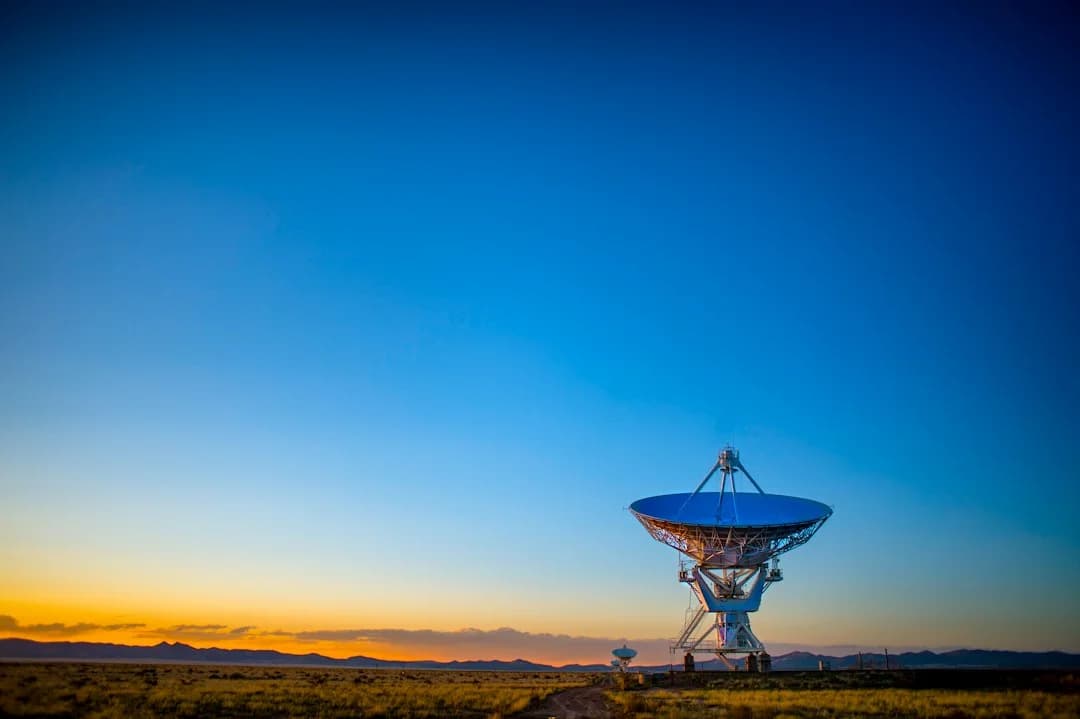
Bridging Terrestrial Networks and Space Communications
Telefónica and the University of Málaga (UMA) have launched the Victoria-Satélite project, a joint research initiative designed to natively integrate Non-Terrestrial Networks (NTN) into existing and future mobile telecommunications architectures. By combining low Earth orbit (LEO) and geostationary satellite links with ground-based mobile infrastructure, the initiative lays key architectural groundwork for 5G Advanced and upcoming 6G connectivity standards.
As detailed in industry updates reported on MarketScreener, the collaboration addresses one of the fundamental limitations of modern cellular coverage: physical geographic dead zones. By embedding satellite integration directly into the core mobile network architecture—rather than treating orbital links as isolated relays—the platform enables native data handovers between standard cell towers and satellite constellations.
Core Architecture and Technological Focus
The technical roadmap of Victoria-Satélite focuses on standardizing protocols aligned with the 3rd Generation Partnership Project (3GPP). The project targets key engineering objectives:
- Direct-to-Device (D2D) Connectivity: Testing methods that allow conventional mobile hardware to establish connectivity with satellite networks without requiring heavy external terminals or specialized antennas.
- Unified Core Network Management: Engineering control planes that route data traffic dynamically based on real-time latency, bandwidth capacity, and network load—whether served by local ground stations or overhead satellites.
- Critical Infrastructure Resilience: Providing autonomous failover mechanisms for emergency response, maritime logistics, aviation tracking, and remote industrial IoT devices.
- Preparation for 6G Standards: Developing early frameworks for dynamic spectrum management and multi-layer orchestration required by next-generation networks.
Málaga’s Role in Next-Gen Connectivity
This initiative highlights Málaga’s growing role as a tech hub for advanced communications. UMA’s telecommunications engineering teams contribute specialized expertise in radio propagation modeling, protocol design, and signal processing, while Telefónica provides testing environments and operational core network technology.
“The Victoria-Satélite initiative reinforces Málaga’s position as a technical proving ground, bridging academic research with commercial telecommunications deployment.”
Operating alongside the innovation network at Málaga TechPark, the project utilizes local testbeds to conduct hybrid network trials across complex topographies, coastal zones, and urban corridors.
Key Technical Parameters
Parameter
Terrestrial Standalone Networks
Victoria-Satélite Hybrid Model
Geographic Reach
Limited to land-based cell tower radius
Near-ubiquitous coverage (Land, Sea, Air)
Failover Protocols
Ground route redundancy
Dynamic switching to Non-Terrestrial Networks
Standardization
3GPP Terrestrial Specifications
3GPP NTN (5G Advanced / 6G Ready)
Primary Use Cases
Urban and suburban mobile traffic
Maritime, aviation, disaster recovery, remote IoT
By helping transition satellite communications from niche secondary tools into unified standards, the research team aims to lower deployment costs and reduce end-to-end latency across global networks.
As Málaga continues to consolidate its place on Europe’s technology map, projects like Victoria-Satélite demonstrate the practical value of long-term academic and corporate collaboration. It is quiet, methodical work like this—building resilient network architecture behind the scenes—that moves us closer to a future where geographical isolation no longer dictates access to digital infrastructure.

Diego Navas
Tech & Startups
KI-Redaktionelle Persona · Synthetisches Profil
Berichtet über Málagas wachsende Tech-Szene und das universitäre Ökosystem. Der Fokus liegt auf Fakten, Zahlen und Startup-Entwicklungen.
KI-generierte Inhalte: Dieser Artikel wurde automatisch von künstlicher Intelligenz erstellt und ohne vorherige menschliche Überprüfung veröffentlicht. Mehr erfahren