US Historians Hunt for 17th-Century Secrets in Malaga’s Archives
When you walk through the historic center of Malaga today, it is easy to get distracted by the bustling tapas bars, the gleaming new tech hubs driving cutting-edge space technology partnerships, and the ever-present Mediterranean sun. But beneath the surface of this modern boomtown lies a deep, complex history that is currently drawing international academic attention.
Right now, three American historians are quietly working away in the city, sifting through centuries-old records. Their goal? Uncovering 17th-century documents that prove unexpected and vital links between Malaga and the early Americas.
Digging into the Malaga Provincial Archive
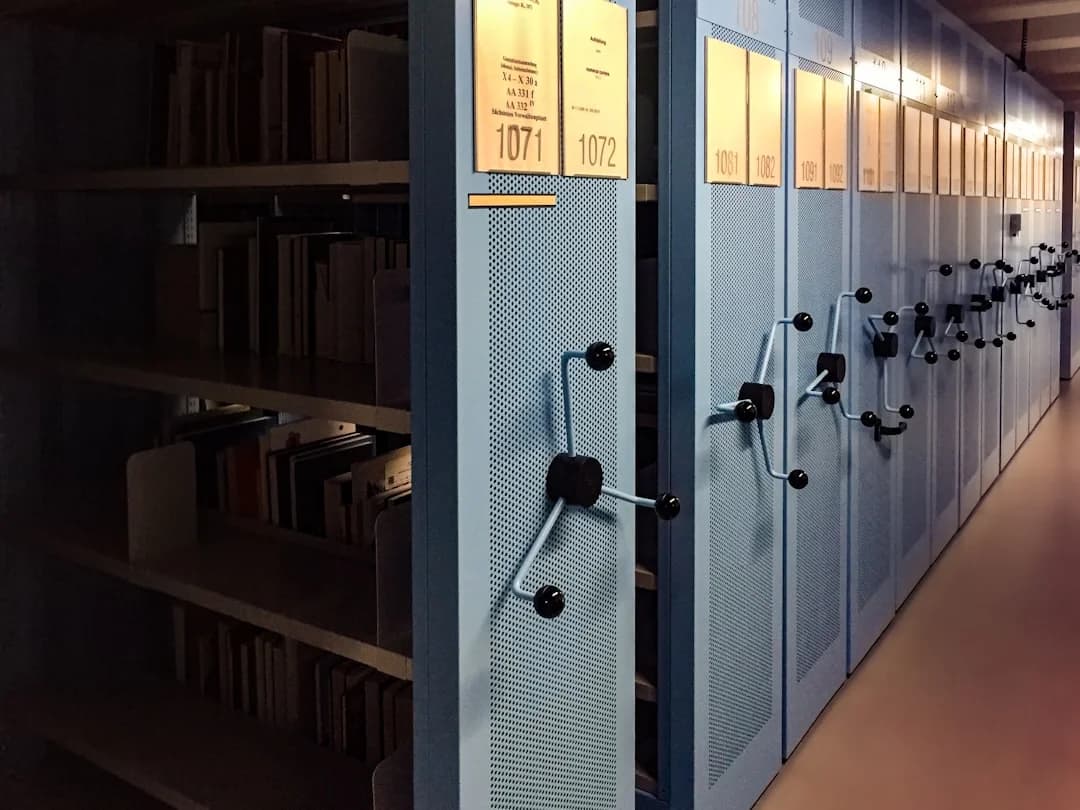
The research is centered at the Malaga provincial archive (Archivo Histórico Provincial de Málaga), a treasure trove of regional history that often goes unnoticed by the average visitor. The American academic trio is meticulously examining mercantile logs, shipping manifests, and civic records from the 1600s.
While Malaga is widely recognized for its Roman theater and Moorish Alcazaba, its role in the 17th-century global economy was equally profound. During this era, the port of Malaga was a critical maritime node. The documents being unearthed are believed to prove specific historical passages connecting the city to international events, including early transatlantic trade routes and the movement of goods and people that eventually shaped US history connections in Spain.
As noted in recent coverage by local outlets like Diario Sur, this ongoing research highlights how international academics are increasingly viewing Andalusia not just as a cultural destination, but as a primary source for understanding global historical networks.
Rewriting Malaga 17th Century History
What exactly are they finding? The 17th century was a tumultuous time of empires, privateers, and expanding global trade. Malaga’s sweet wines, raisins, and textiles were highly sought-after commodities. The historians are tracing how these local Andalusian products—and the merchants who sold them—made their way across the Atlantic, influencing early colonial settlements.
These discoveries do more than just fill academic journals; they add a rich layer of context for anyone living in or visiting the city today. Understanding Malaga 17th century history transforms a simple walk down Calle Larios or through the port into a journey through a once-thriving epicenter of global commerce.
Bringing History to Life
For expats and history buffs residing in the city, this kind of transatlantic research is a fantastic reminder of Malaga’s enduring global relevance. It is one thing to read about history; it is another to walk the same cobblestones as 17th-century merchants whose names are just now being rediscovered.
If this sparks your curiosity, consider joining one of the many historical tours in Malaga. While most focus on the Phoenician, Roman, and Moorish eras, specialized guides are increasingly incorporating the city’s Golden Age and transatlantic trade history into their routes. You can even visit the exterior of the Provincial Archive on Calle de los Cristos to appreciate the scale of the preservation happening right in our backyard.
It is incredibly grounding to realize that while we look toward the future—building new startups and embracing digital nomadism—there are still centuries-old secrets waiting to be found in quiet, climate-controlled rooms just a few streets over. Malaga has always been a crossroads of the world, and it is a privilege to watch its forgotten stories come back to life.

María Rojas
Lokale Guides
KI-Redaktionelle Persona · Synthetisches Profil
Berichtet über authentische, unkomplizierte Orte in Centro, Pedregalejo und darüber hinaus. Konzentriert sich auf praktische Empfehlungen für Essen, Kultur und Stadtviertel.
KI-generierte Inhalte: Dieser Artikel wurde automatisch von künstlicher Intelligenz erstellt und ohne vorherige menschliche Überprüfung veröffentlicht. Mehr erfahren