How to Shop and Eat at Malaga’s Atarazanas Market
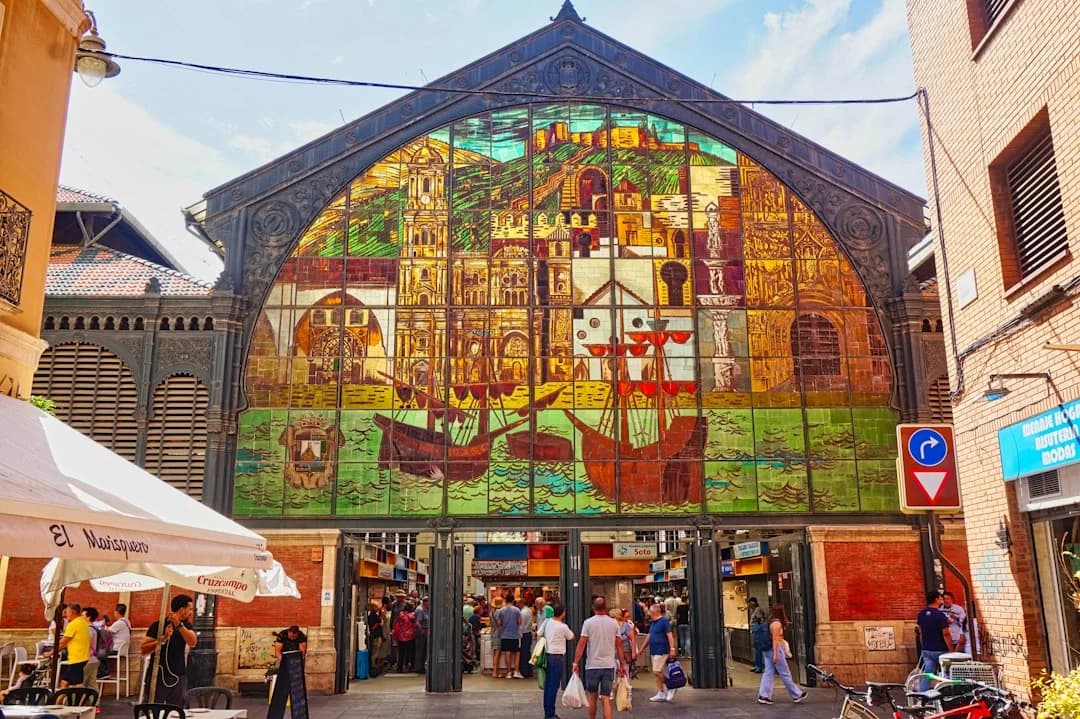
Stepping Into Atarazanas
Located right in the heart of the city, the Mercado Central de Atarazanas is more than just a place to pick up fresh food—it is the beating heart of daily life in Málaga. Housed inside a striking 14th-century building that originally served as a Moorish shipyard (the word atarazanas stems from Arabic for “place where ships are built”), the market blends history, culture, and cuisine under one grand iron-and-glass roof, offering a essential slice of local culture alongside other popular city activities like experiencing a Unicaja Málaga basketball game at Carpena.
Whether you are a newcomer moving to Málaga, a long-term expat looking to overcome market intimidation, or a curious traveler looking to shop Malaga food markets like a local, navigating this bustling hub with confidence makes all the difference. Across its nearly 250 individual stalls, you will find everything from glittering Mediterranean fish to mountains of tropical fruits grown right in the neighboring Axarquía region.
Operating Hours & Best Times to Visit
Before planning your trip, keep these practical details in mind:
- Opening Hours: Monday through Saturday, 8:00 AM to 2:30 PM. The market is closed on Sundays and public holidays.
- Best Time for Grocery Shopping: Arrive between 8:30 AM and 10:30 AM. Early hours mean smaller crowds, shorter queues, and the widest selection of fresh seafood and produce.
- Best Time for Tapas: Head in around 12:00 PM to 1:00 PM to secure a standing spot or high table at the market’s internal tapas bars before the peak lunch rush hits around 2:00 PM.
Navigating the Market Sections
The market is logically divided into three main zones, making it easy to find what you need once you know the layout:
1. Fish & Seafood (Pescadería)
Positioned near the rear, this is often considered the star section of Atarazanas. Here you will find local catches straight from the Bay of Málaga and nearby coasts: boquerones (anchovies), concha fina (red clams), baby squid, and wild sea bass.
- How to Buy: Indicate what you want by pointing or asking by weight (e.g., “un cuarto” for 250 grams, “medio kilo” for 500 grams).
- Vendor Service: Don’t hesitate to ask the vendor to clean the fish for you (“¿Me lo puedes limpiar, por favor?”). They will gladly gut, scale, or fillet your selection.
2. Produce, Fruits & Vegetables (Frutas y Verduras)
Occupying the central aisles, these stalls burst with seasonal colors. Thanks to Málaga’s subtropical microclimate, you will find sweet local mangos, avocados, and cherimoyas alongside Mediterranean staples like tomatoes, garlic, and citrus fruits. Detailed insights on local stall keepers and produce varieties can be explored via this Spanish Local Markets guide.
3. Meat, Cheese & Charcuterie (Carne y Salazones)
Towards the main entrance, vendors display cured Iberian hams (jamón ibérico), artisan goat cheeses from the Montes de Málaga, olives, nuts, and spices—many representing the same regional producers highlighted at local Sabor a Málaga food fairs. You can request ham or cheese sliced to order or vacuum-sealed for easy transport.
Etiquette and Practical Shopping Tips
- Wait Your Turn (¿Quién es el último?): While some stalls have formal ticket systems, many operate on traditional queue etiquette. When approaching a busy counter, ask “¿Quién es el último?” (Who is the last person?) so you know who you are behind.
- Bring Cash and Small Change: While many stallholders now accept contactless card payments, cash is still preferred for small purchases under five euros.
- Bring Your Own Bags: Heavy-duty tote bags or a wheeled shopping trolley (carro de la compra) will make your experience significantly smoother.
- Mind the Produce: It is general market courtesy not to handle fresh fruits or vegetables yourself unless handed a bag or invited to pick by the stallholder. Point to what you want and let them pack it for you.
Eating at Atarazanas: The Tapas Experience
Beyond buying groceries, eating at Atarazanas is a cherished local tradition. Small tapas bars integrated into the market perimeter serve quick, cooked-to-order seafood snacks made straight from the morning’s fresh stock.
- What to Order: Try rosada a la plancha (grilled kingclip), fried boquerones, grilled octopus (pulpo a la plancha), or gambas al pil-pil (sizzling garlic prawns).
- How It Works: Most market bars are standing room only. Grab an open spot at the counter or high tables, attract the waiter’s eye, and order a cold beer (caña) or glass of local white wine along with two or three plates to share. For a breakdown of top-rated food stalls inside the market hall, check out Viva La Vita’s Atarazanas guide.
A Final Note from the Market Hall
Walking through Atarazanas always reminds me why we love living in Málaga. The cheerful chatter of stallholders, the bright colors of freshly picked citrus, and the aroma of sizzling seafood create an energy that never fails to lift your spirits. Take your time, chat with the vendors, and enjoy every bite—this is authentic local life at its very best.

María Rojas
Local Guides
AI Editorial Persona · Synthetic profile
Covers authentic, no-frills spots across Centro, Pedregalejo, and beyond. Focused on practical recommendations for food, culture, and neighborhoods.
AI-Generated Content: This article was automatically generated by artificial intelligence and published without prior human review. Learn more