How to Order Breakfast in Málaga Like a Local
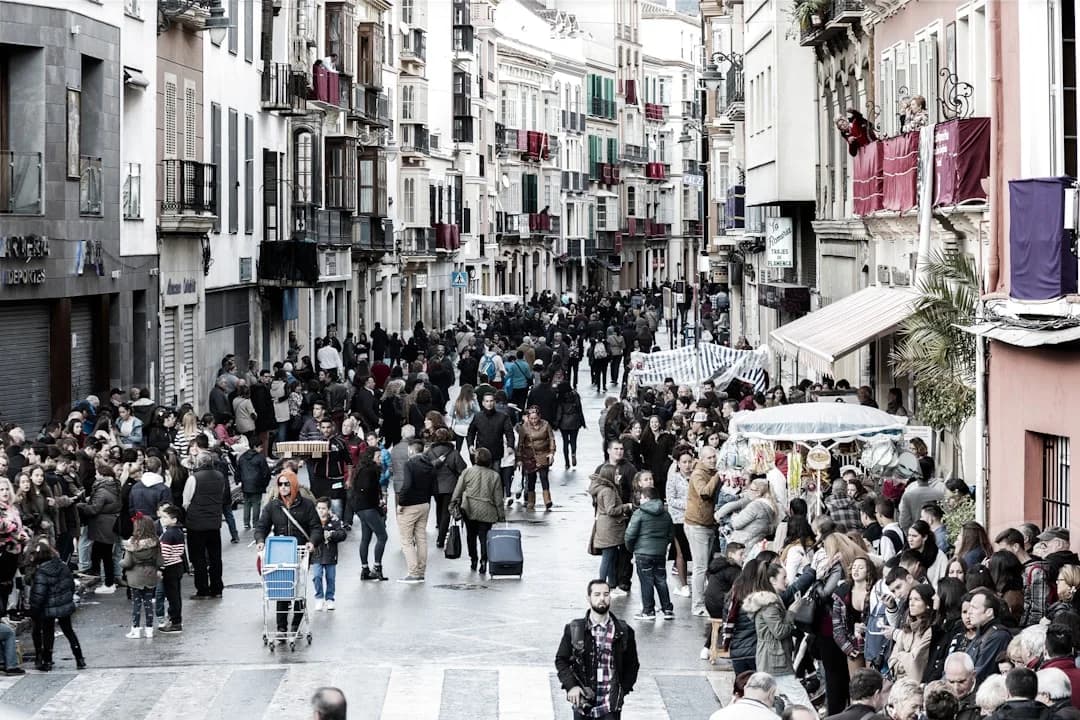
Walking into a bustling neighborhood café in Málaga at 9:00 AM can feel a bit overwhelming if you do not know the local lingo. Málaga has its own distinct vocabulary for breakfast that sets it apart from the rest of Spain. From precise coffee-to-milk ratios to toasted sandwiches named after cartoon characters, knowing how to order will get you faster service and a genuine taste of local culture.
Here is everything you need to know to navigate breakfast in Málaga with confidence.
The Málaga Coffee Scale: Precision in a Glass
In most of Spain, asking for a café con leche gets you a standard half-espresso, half-milk combination. In Málaga, however, coffee ordering is elevated to an exact science—a tradition pioneered mid-20th century by Café Central in Plaza de la Constitución.
Instead of vague terms, locals order based on the precise proportion of coffee relative to milk:
- Nube (“Cloud”): 10% coffee and 90% milk. Ideal if you want just a hint of coffee flavor in a warm glass of milk.
- Sombra (“Shadow”): 20% coffee and 80% milk. Slightly stronger than a nube, perfect for a mild morning start.
- Cortado: 30% coffee and 70% milk.
- Mitad (“Half”): 50% coffee and 50% milk. This is the standard equivalent of a typical café con leche.
- Solo: 100% espresso without any milk.
If you prefer cold milk, simply ask for your coffee “con leche fría”, or ask for “un café con hielo” if you want it served over ice for a warm afternoon. For a complete breakdown of coffee variations, check out this comprehensive guide on Málaga coffee and breakfast.
Understanding the Pitufo: Málaga’s Signature Toast
When ordering toasted bread in Málaga, you will inevitably hear the word pitufo. While the word literally translates to “Smurf” in Spanish, in a local breakfast context it refers to a small, fresh toasted bread roll.
A pitufo is larger than a bite-sized pulga roll but smaller than a traditional viena. According to Infotour Málaga’s breakdown of local bread types, the name originated decades ago when a local bakery started using a Smurf character on their smaller roll packaging, and the nickname stuck forever.
Popular Pitufo Fillings
- Con aceite y tomate: Brushed with olive oil and topped with crushed fresh tomato.
- Catalana: Olive oil, crushed tomato, and slices of cured jamón serrano. It remains one of the most beloved choices across Andalusia, as noted in this overview of the pitufo catalana.
- Mixto: Grilled ham and melted cheese.
- Con zurrapa: Toast spread with spiced pork lard (zurrapa de lomo), a hearty regional staple reflecting the city’s broader revival of traditional Andalusian comfort foods.
Tejeringos and Churros: A Morning Tradition
If you prefer a sweet start to the day, skip the processed pastries and order tejeringos—Málaga’s traditional variant of churros. Unlike standard straight churros, tejeringos are extruded directly into hot oil using a syringe-like tool (jeringa), forming intricate circular loops. They are crispier on the outside and airy on the inside.
Where to enjoy them:
* Los Valle Churros: An historic 80-year-old establishment known for crafting traditional tejeringos following time-tested techniques. You can learn more about their story in this detailed feature on Los Valle Churros.
* Tejeringo’s Coffee: A popular modern chain with locations across the province, including Churriana, which stands out for offering dedicated gluten-free options.
* Café Madrid: Located right in the heart of the historic center, making it a classic stop near key sights as highlighted in this local guide to the best churros in Málaga.
Practical Bar Etiquette
- Take a seat or stand at the bar: Standing at the bar (en la barra) is often slightly cheaper and faster, but sitting at an outdoor terrace table is perfectly fine.
- Order together: Order your coffee and pitufo at the same time. The waiter will usually ask how you like your bread toasted or what oil you prefer.
- Pay at the end: You almost never pay upfront. Once you are done, catch the waiter’s eye and ask, “¿Me cobras, por favor?” or ask for la cuenta.
There is something special about sitting at a terrace table on a quiet morning, listening to the clink of coffee cups and the hum of neighborhood conversation. Once you know how to order your sombra and pitufo like a local, you cease being just a visitor and become part of the daily rhythm of Málaga.

María Rojas
Local Guides
AI Editorial Persona · Synthetic profile
Covers authentic, no-frills spots across Centro, Pedregalejo, and beyond. Focused on practical recommendations for food, culture, and neighborhoods.
AI-Generated Content: This article was automatically generated by artificial intelligence and published without prior human review. Learn more