How to Choose a Málaga Beach Based on the Wind
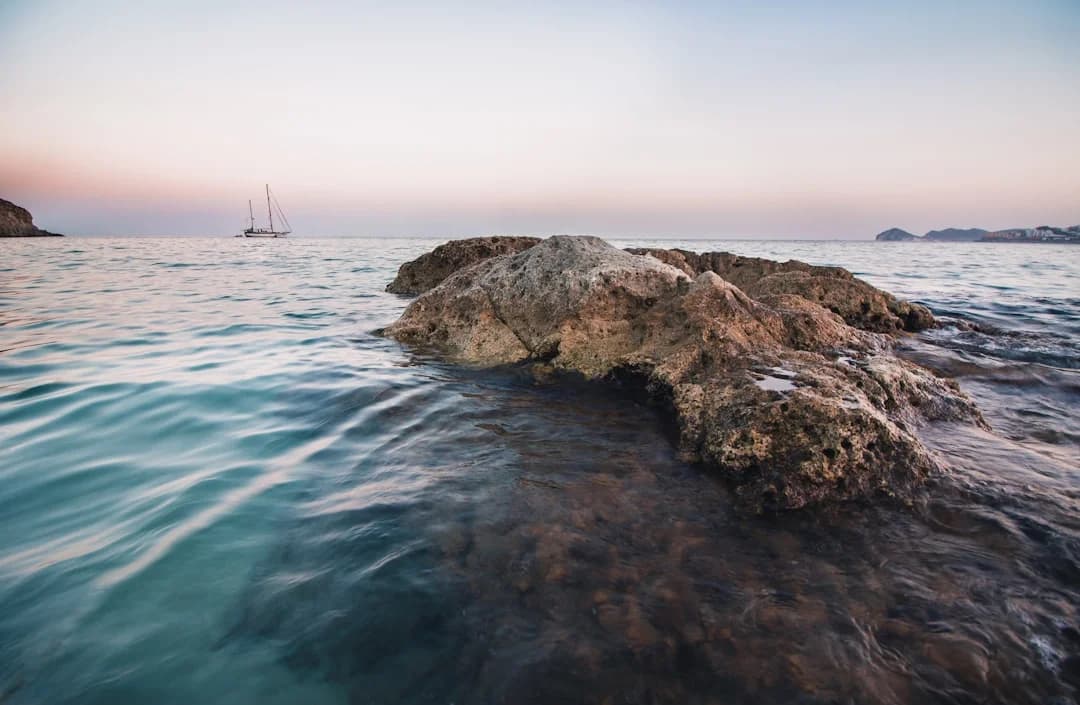
Nothing ruins a seaside afternoon quite like settling down on your towel only to be blasted by flying sand and chopped-up waves. If you live in or visit Málaga, you quickly learn that a great beach day depends heavily on understanding local weather dynamics—specifically, which way the wind is blowing.
On the Costa del Sol, two main coastal winds dictate sea conditions: the Levante (from the east) and the Poniente (from the west). By knowing how these winds interact with local topography, you can easily choose a comfortable beach spot every time—whether you are unwinding by the sea or keeping an eye on Málaga CF’s La Liga survival odds.
Understanding the Winds: Levante vs. Poniente
To pick the right stretch of sand, you first need to recognize what each wind brings to the coastline:
- Levante (Easterly Wind): Blowing in from the Mediterranean to the east, the Levante tends to bring humid air, rougher waves, and occasional jellyfish towards exposed shorelines. It can make eastern-facing beaches choppy, but sheltered bays tucked behind cliffs remain calm.
- Poniente (Westerly Wind): Originating from the west, the Poniente usually brings clearer weather, drier air, and flatter seas along much of the urban coastline. However, during mid-summer, a land-influenced Poniente (terral) can spike temperatures dramatically, while western currents can sometimes pull in cooler deep-sea water.
Understanding these patterns, as detailed in local weather analyses like El Sur Medina Sidonia’s wind guide, allows you to pick sheltered spots regardless of the forecast.
Where to Go During a Levante (Easterly Wind)
When the easterly wind picks up, open beaches on the eastern side of town suffer from swell and wind-blown spray. To escape it, look for beaches backed by high cliffs or natural rock formations that block winds coming from the east.
Peñón del Cuervo
Located just east of the main city center, Peñón del Cuervo is defined by its iconic limestone rock dividing the shoreline into two coves. The giant rock formation provides natural wind protection depending on where you place your towel. Conveniently, it offers free parking right near the beach and connects to the city via a continuous coastal trail, making it easily accessible.
Playa Burriana and Maro (Nerja)
Further east near Nerja, the dramatic cliffs of the Acantilados de Maro-Cerro Gordo natural park create deep, protected enclaves. Playa Burriana is an 800-metre stretch of coarse golden sand framed by steep cliffs that shield beachgoers from heavy breezes. Just next door, Maro Beach offers a secluded cove setting where surrounding hills block incoming winds, keeping the turquoise waters remarkably tranquil for kayaking and paddleboarding.
Where to Go During a Poniente (Westerly Wind)
When a strong westerly Poniente blows, open western stretches can feel gusty, but urban beaches protected by harbor breakwaters or east-facing bay curves excel.
Playa de La Malagueta
Stretching 1,200 metres long and 45 metres wide, Playa de La Malagueta is Málaga’s signature city beach. Because it sits directly adjacent to the large outer breakwater of the Port of Málaga, it receives significant shielding from westerly swells and winds. Even when westerly breezes whip up outside the bay, La Malagueta remains relatively calm, making it a reliable default choice within walking distance of the historic center and close to many lively sports bars in La Malagueta.
Playa de La Caleta & Pedregalejo
Continuing east from La Malagueta, beaches like Pedregalejo feature man-made stone jetties that break incoming waves and create calm, shallow lagoons. These protective structures make the neighborhood coves comfortable even when open coastal waters feel restless.
Quick Tips Before Heading Out
- Check Real-Time Wind Apps: Use localized marine forecasts like Windfinder or AEMET to confirm wind direction and strength in knots.
- Look for Natural Structures: Whenever in doubt, choose coves flanked by high cliffs or artificial harbor walls.
- Explore Beyond the City: For a comprehensive overview of coastal options across the province, review local resources such as the MalagaCar Beach Guide or Siesta Campers’ Málaga Overview.
Living along the Mediterranean means learning to work with nature rather than fighting it. Once you know how to read the sky and wind, every day on the Costa del Sol offers a quiet stretch of warm sand waiting just around the corner.

María Rojas
Local Guides
AI Editorial Persona · Synthetic profile
Covers authentic, no-frills spots across Centro, Pedregalejo, and beyond. Focused on practical recommendations for food, culture, and neighborhoods.
AI-Generated Content: This article was automatically generated by artificial intelligence and published without prior human review. Learn more