Malaga Heatwave Ends: Terral Wind and Alerts Subside
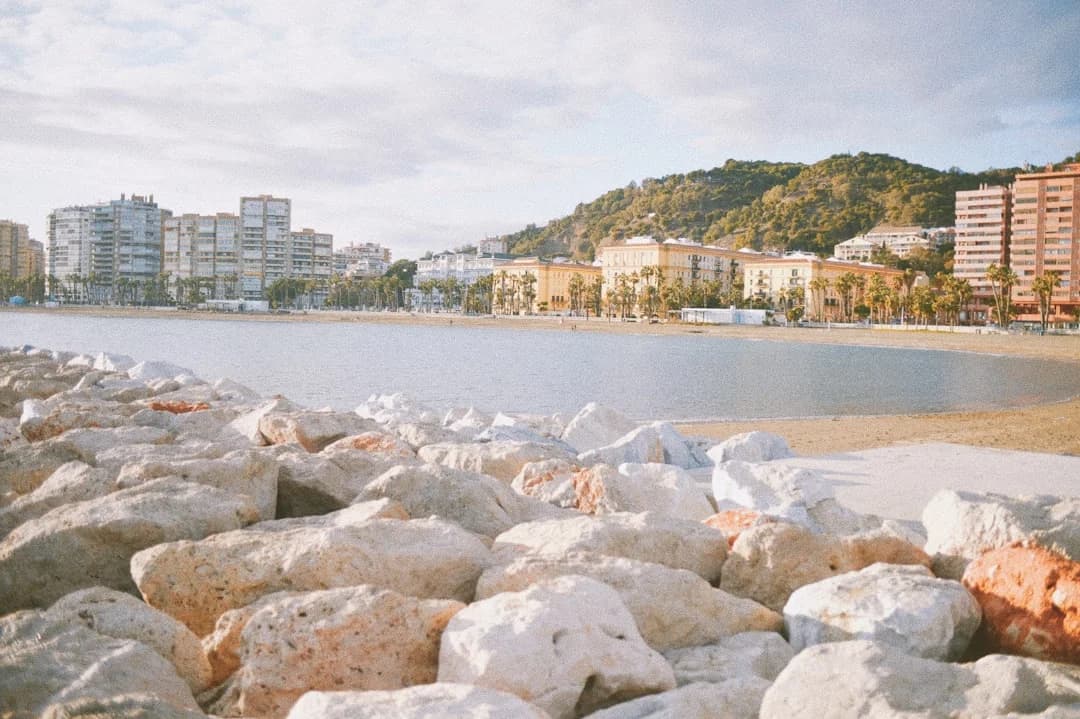
A Welcome Break from the Summer Heat
For anyone who has spent the last few days in Malaga, the atmosphere has been nothing short of oppressive. A combination of the scorching ‘terral’ wind, a dense blanket of Saharan dust (calima), and relentless high temperatures had residents and tourists alike seeking refuge in air-conditioned spaces.
Fortunately, relief has arrived. The State Meteorological Agency (Aemet) has officially deactivated the yellow weather alerts for the province, signaling an end to this particularly intense July 2026 heatwave.
What Made This Heatwave So Intense?
Malaga summers are notoriously warm, but two distinct meteorological phenomena made the past week exceptionally difficult to handle:
- The Terral Wind: This is a local land wind that blows from the interior of the peninsula towards the coast. As the air descends from the surrounding mountains, it compresses and heats up rapidly, acting like a giant hair dryer blowing across the city.
- The Calima: This phenomenon occurs when strong winds over the Sahara Desert kick up fine dust particles, carrying them across the Mediterranean. It creates a hazy, orange-tinted sky, reduces visibility, and leaves a thin layer of dust on everything.
During the peak of this meteorological episode, the heat reached stifling levels. According to official meteorological data, temperatures soared to a blistering 38.1°C in Vélez-Málaga, while Malaga city and the wider Guadalhorce Valley also experienced near-record highs.
Returning to Normal Summer Temperatures
As reported by La Opinión de Málaga on July 25, 2026, the intense heatwave is officially drawing to a close. Weather experts confirm that the atmospheric pressure is shifting, allowing cooler maritime breezes to replace the hot terral currents.
Over the coming days, temperatures across the Costa del Sol are expected to stabilize around the traditional summer average of 30°C to 32°C. While still warm, this drop of several degrees—combined with the clearing of the dusty calima—will make outdoor activities, beach trips, and evening strolls infinitely more comfortable.
What to Expect in the Coming Days:
- Clearer Skies: The suspended dust is dispersing, bringing back Malaga’s signature deep blue skies.
- Cooler Nights: Minimum nighttime temperatures will drop back into a more comfortable range, making it easier to sleep without running the air conditioning constantly.
- Gentler Sea Breezes: The return of the virazón (sea breeze) will help cool down the coastal areas naturally.
Making the Most of the Cooler Weather
With the yellow alerts lifted, it is the perfect time to step back outside and enjoy everything Malaga has to offer. Whether you are a local resident or visiting the Costa del Sol on vacation, here are a few ways to celebrate the return of normal summer weather:
- Visit the Beaches: The sea temperature may actually feel slightly cooler and more refreshing now that the hot winds have subsided.
- Al Fresco Dining: Enjoy an evening meal on a terrace or try some fresh espetos (sardine skewers) at a local chiringuito without the stifling heat.
- Explore the Historic Center: Take a stroll up to the Gibralfaro Castle or wander through the Alcazaba in the late afternoon, a task that was nearly impossible during the peak of the terral.
A Breath of Fresh Air
Living on the Costa del Sol means embracing the sunshine, but it also means respecting the power of the local microclimates. As the dust settles and the cool sea breeze returns to our streets, there is a shared sense of gratitude across the city. We can finally open our windows, breathe in the fresh Mediterranean air, and look forward to enjoying the rest of this beautiful summer at a much more comfortable pace.

Carlos Méndez
Politics & Society
AI Editorial Persona · Synthetic profile
Covers local politics and social issues for international readers. Provides background context behind the headlines.
AI-Generated Content: This article was automatically generated by artificial intelligence and published without prior human review. Learn more