Málaga Hidden Paths: Discover the City’s Local Secrets
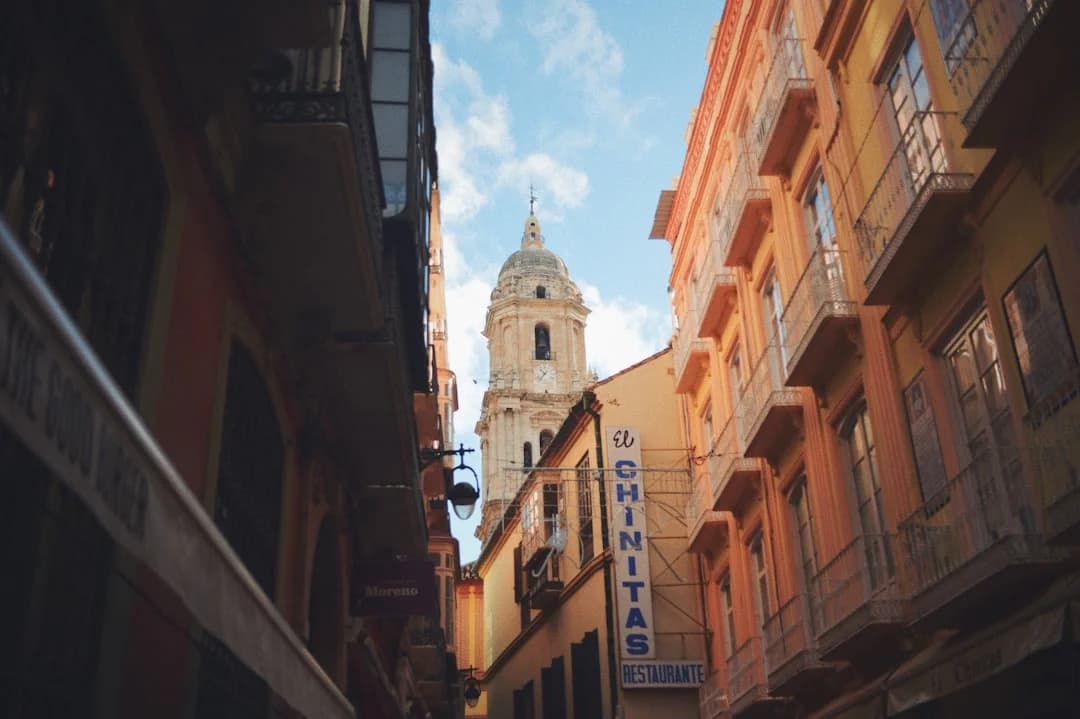
Beyond the Sun and Museums: The Case for Slow Exploration
As Málaga continues its evolution into a global cultural and technological hub, the city’s historic center and famous beaches draw millions of visitors each year. However, this rapid growth often overshadows a quieter, deeply authentic side of the capital of the Costa del Sol. For travelers and residents seeking to connect with the region on a deeper level, exploring Málaga’s secret routes reveals a network of historic trails, natural reserves, and architectural secrets.
Embracing these lesser-known routes is not just about avoiding crowds; it is a shift toward sustainable, conscious travel. By exploring the outskirts and quieter neighborhoods—areas increasingly vital to the region’s economy, as evidenced by the recent €2B investment boost secured by Málaga TechPark—we redistribute tourism’s economic benefits and reduce our environmental footprint on fragile historic centers.
1. The Guadalhorce Estuary: A Wild Oasis Next to the City
Just a short distance from the bustling airport and the western beaches lies the Paraje Natural Desembocadura del Guadalhorce (Guadalhorce River Estuary). This protected wetland is one of the most ecologically diverse areas in the province, serving as a critical stopover for migratory birds traveling between Europe and Africa.
- The Route: A flat, circular trail of about 5 to 6 kilometers crosses wooden footbridges and leads to several hidden bird-watching observatories.
- What to Look For: Depending on the season, you can spot flamingos, ospreys, and the rare white-headed duck.
- Local Tip: Enter the reserve from the Guadalmar neighborhood. The best times to visit are early morning or late afternoon, when the light softens and wildlife is most active.
2. Monte San Antón: The Local Alternative to Gibralfaro
While the views from the Gibralfaro Castle are iconic, they are often shared with hundreds of others. For a dramatic, panoramic view of the entire bay of Málaga and the Axarquía mountain range, locals head east to Monte San Antón.
This double-peaked mountain dominates the skyline behind the El Palo neighborhood, a coastal area deeply tied to the city’s maritime history and traditional Phoenician jábega boats. Hiking to the top offers a rugged, pine-scented escape that feels miles away from the urban bustle below.
- The Route: The climb from the lower parking area is relatively short but steep, taking about 45 minutes to reach the summit cross.
- Global Connection: This trail showcases the classic Mediterranean scrubland (garrigue), home to wild rosemary, thyme, and native reptiles.
- Local Tip: Pack a light picnic and aim for sunset. On a clear day, the silhouette of the Moroccan coastline is visible across the Alboran Sea.
3. El Limonar and Miramar: An Architectural Time Capsule
Not all hidden routes require hiking boots. To the east of the historic center lies the residential district of El Limonar, developed in the late 19th and early 20th centuries. This neighborhood was the playground of Málaga’s industrial bourgeoisie, who built eclectic, modernist, and regionalist villas surrounded by lush subtropical gardens.
- The Route: Start at the Paseo de Sancha and wander uphill through Calle Paseo del Limonar and Calle Pintor Joaquín Sorolla.
- What to Look For: Admire the intricate ironwork, colorful ceramic tiles, and towering ficus trees that spill over garden walls.
- Local Tip: Combine this walk with a visit to the nearby English Cemetery (Cementerio Inglés), the oldest non-Catholic Christian cemetery in mainland Spain, which offers a fascinating look into the city’s historical expatriate community.
4. Paseo de los Canadienses: Walking with History
Connecting the eastern edge of the city to the neighboring town of Rincón de la Victoria is a coastal path with profound historical significance: the Paseo de los Canadienses (The Canadians’ Walk).
This path honors Dr. Norman Bethune and his Canadian blood transfusion unit, who saved thousands of lives during the tragic civilian evacuation along the coastal highway to Almería in 1937 during the Spanish Civil War.
- The Route: This flat, seaside path runs along the cliffs of El Cantal, offering stunning sea views, tunnels carved into the rock, and access to quiet coves.
- Why It Matters: It serves as a physical reminder of international solidarity and local resilience, bridging past struggles with our shared present.
Practical Tips for Conscious Exploration
To ensure these fragile spaces remain preserved for future generations, keep these simple practices in mind:
- Leave No Trace: Pack out all trash, especially in natural reserves like the Guadalhorce Estuary where plastic pollution threatens marine life.
- Respect Wildlife: Keep noise levels down, particularly in bird-watching hides, and stay on designated paths.
- Support Neighborhood Businesses: Stop for a coffee, tapa, or snack in the neighborhoods surrounding these routes rather than returning to the tourist center.
By choosing to explore these quieter corners, we discover that Málaga’s true beauty lies not just in its famous landmarks, but in the quiet spaces between them. May your steps through these hidden paths bring a renewed appreciation for the delicate balance of nature, history, and community that makes this Mediterranean corner so unique.

Carlos Méndez
Politik & Gesellschaft
KI-Redaktionelle Persona · Synthetisches Profil
Berichtet über Lokalpolitik und soziale Themen für internationale Leser. Liefert Hintergrundkontext zu den Schlagzeilen.
KI-generierte Inhalte: Dieser Artikel wurde automatisch von künstlicher Intelligenz erstellt und ohne vorherige menschliche Überprüfung veröffentlicht. Mehr erfahren