Málaga Hoteliers Reject 3-Year Tourist Bed Freeze
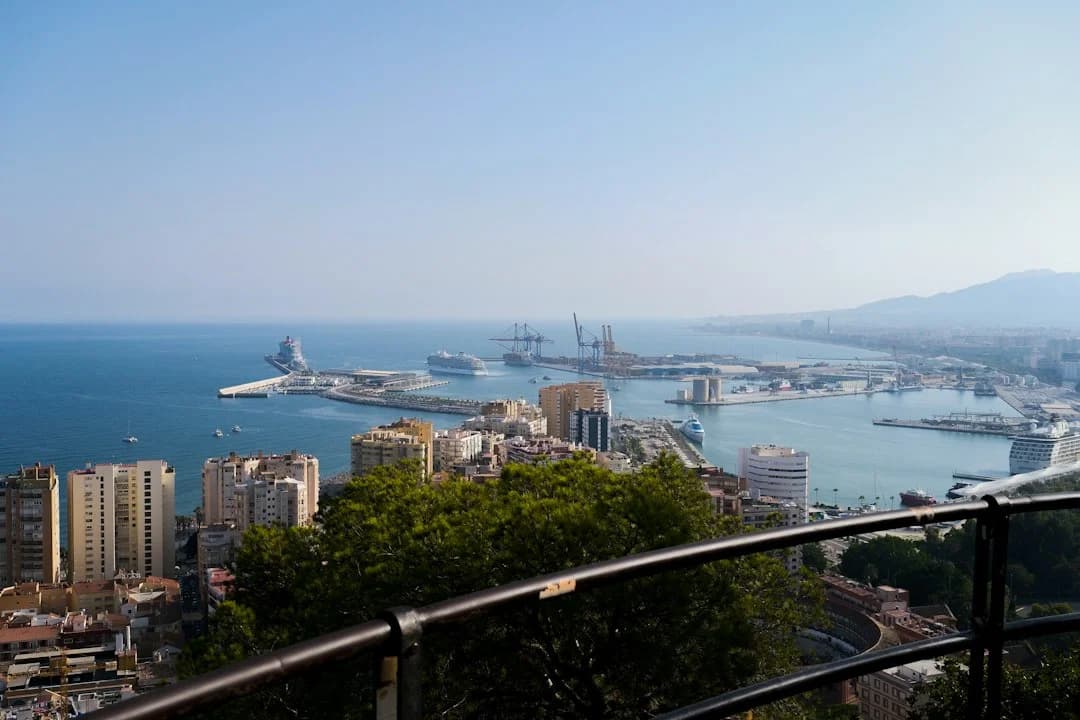
Málaga’s booming hospitality landscape faces a pivotal moment. The municipal government’s proposed three-year moratorium prohibiting new tourist apartments and hotel developments on residential land has ignited intense discussion among business leaders, urban planners, and international investors.
At the center of the dispute is the Association of Hotel Enterprises of the Costa del Sol (AEHCOS), which has officially voiced its strong disagreement with the freeze.
A Disconnect Between Tourism and Housing Solutions
According to reporting by El Español, AEHCOS firmly rejects the blanket suspension of tourist accommodations across the capital. The association contends that halting new hotel beds and vacation rentals built on residential plots fails to address the underlying structural causes of Málaga’s housing shortage.
“Blocking regulated accommodation projects will not magically generate affordable residential housing, but it risks dampening economic dynamism across the entire capital.”
Hoteliers stress that legitimate hotel developments and regulated guest accommodations provide vital employment, fund local infrastructure, and sustain surrounding commerce—from neighborhood bistros to cultural institutions.
Potential Economic Ripple Effects
Industry representatives argue that a three-year freeze sends a cautious signal to private investors just as Málaga consolidates its standing as a major European tech and cultural hub. Key concerns raised by the hospitality sector include:
- Investment Diversion: Capital earmarked for quality hotel developments in Málaga may shift toward neighboring coastal municipalities.
- Supply Shortages: Restricting formal accommodation growth during high-demand periods could lead to inflated room rates for international visitors and business travelers.
- Unintended Market Consequences: Hoteliers fear the moratorium could inadvertently encourage unlicensed, shadow-market rentals rather than expanding long-term residential leases.
Balancing Sustainable Growth and Urban Identity
City authorities introduced the measure in response to growing resident concern over rising rental prices and urban density. However, AEHCOS insists that long-term housing policy must rely on active public housing construction and urban regeneration rather than administrative bans on tourism activity.
For foreign visitors, holiday home buyers, and hospitality stakeholders tracking the region, the debate highlights the delicate balance Málaga must strike. The city remains determined to preserve its authentic neighborhood life while serving as one of Southern Europe’s premier destinations.
As the dialogue between municipal leaders and industry experts continues, we remain hopeful that thoughtful collaboration will pave the way for sustainable urban growth. Finding harmony between welcoming travelers and safeguarding local communities is a challenge shared across the Mediterranean, and Málaga has all the tools to lead by example.

Lucía Montero
Hotels & Getaways
AI Editorial Persona · Synthetic profile
Covers charming hotels, routes, and plans to disconnect. Focused on elegant escapes and weekend trips.
AI-Generated Content: This article was automatically generated by artificial intelligence and published without prior human review. Learn more