Málaga Flying Taxis: Marbella Drone Flights by 2028
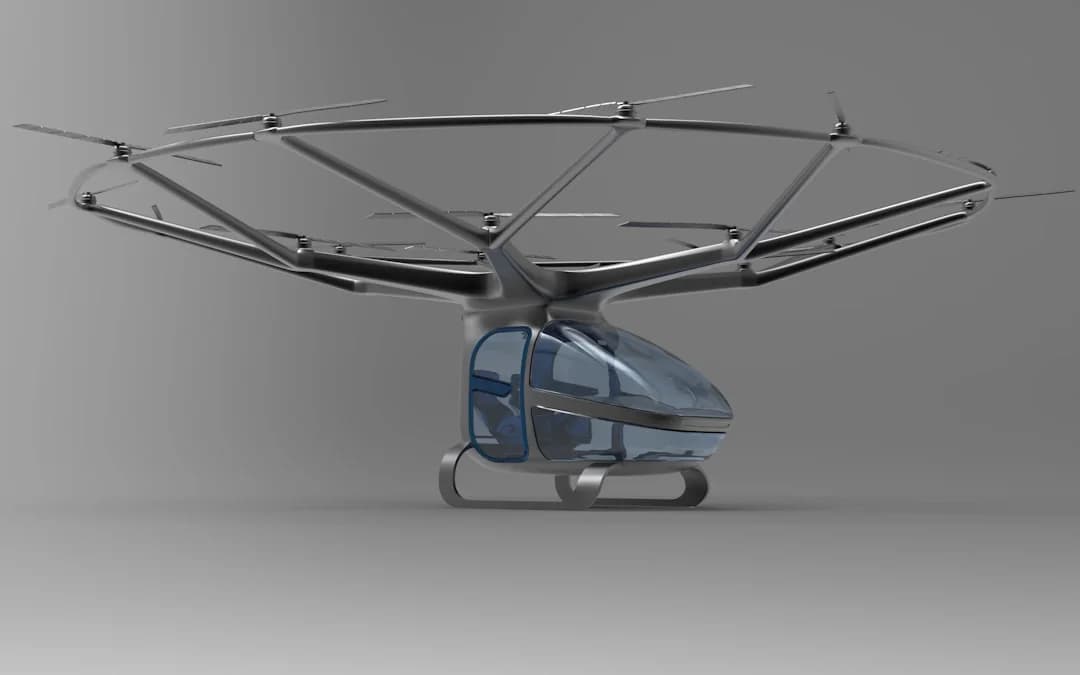
Bypassing the A-7: The Promise of Air Mobility
Commuters and expats living on the Costa del Sol are intimately familiar with the traffic bottlenecks of the A-7 and AP-7 highways. During peak tourism seasons, the journey between Málaga and Marbella can easily exceed an hour. To address this persistent infrastructure challenge, Málaga is preparing to test a futuristic alternative: passenger drone flights.
With a target launch date of 2028, this initiative aims to establish a permanent aerial corridor connecting Málaga and Marbella, cutting travel times down to under 20 minutes.
The Technology and Testing Phase
The project positions the province of Málaga as a primary testing ground for Urban Air Mobility (UAM) in Spain. According to reports tracked by Diario SUR, regional authorities and aerospace partners are establishing the regulatory and physical framework required to make these flights a reality.
Unlike traditional helicopters, these passenger drones—technically classified as eVTOL (electric Vertical Take-Off and Landing) aircraft—rely on fully electric propulsion systems. This design ensures:
* Zero operational emissions: Contributing to the region’s decarbonization goals.
* Low acoustic footprint: Crucial for operating over densely populated coastal residential areas.
* Enhanced safety redundancy: Multiple rotors ensure stable flight even in the event of a single motor failure.
Testing is scheduled to intensify over the next two years, focusing on airspace integration, automated flight paths, and emergency protocols.
Infrastructure: The Rise of Vertiports
The viability of a flying taxi service relies heavily on ground infrastructure. Unlike airports, eVTOLs do not require runways, but they do require specialized “vertiports.”
Key locations currently under evaluation for vertiport placement include:
* Málaga-Costa del Sol Airport (AGP): To allow seamless transfers for international arrivals. While future flyers will bypass the roads, traditional drivers should still ensure they use registered and secure Malaga airport parking facilities to avoid unauthorized operators in the surrounding areas.
* Málaga Port: Providing a central hub close to the city’s tech and business districts.
* Marbella: Strategically positioned near high-end residential and commercial zones to cater to business travelers and high-net-worth individuals.
These vertiports will feature rapid-charging stations, passenger lounges, and security checkpoints integrated with digital ticketing systems.
Economic and Practical Implications
For the local economy and the growing tech hub of Málaga, the introduction of passenger drones is more than a novelty. It represents a significant upgrade in regional connectivity.
Feature
Traditional Highway (A-7/AP-7)
Proposed eVTOL Flight
Average Travel Time
45–75 minutes
15–20 minutes
Predictability
Low (subject to traffic/accidents)
High (scheduled flight paths)
Environmental Impact
High emissions
Zero direct emissions
While early flights are expected to target premium business travelers and tourism, scaling the technology could eventually lower costs, making it a viable alternative for regular commuters looking to bypass coastal congestion.
As we look toward the end of the decade, the integration of aerial transport into our daily lives feels less like science fiction and more like an imminent reality. It is inspiring to see Málaga leverage its unique geography and growing tech ecosystem to solve real-world transit challenges, potentially changing how we view the distance between our coastal towns forever.

Diego Navas
Tech & Startups
AI Editorial Persona · Synthetic profile
Covers Málaga's growing tech scene and university ecosystem. Focused on facts, figures, and startup developments.
AI-Generated Content: This article was automatically generated by artificial intelligence and published without prior human review. Learn more