Málaga to Build Medieval Ceramics Center Over Ruins
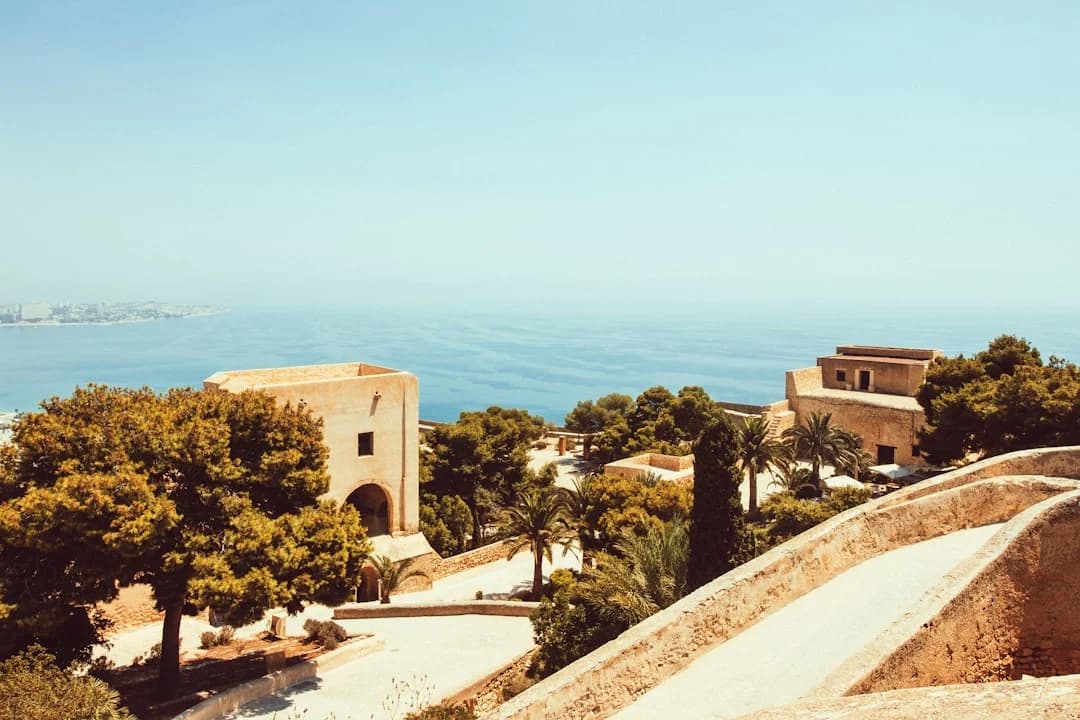
Málaga’s historic center is a living museum, where a simple walk down a cobblestone alleyway can quickly turn into a journey through centuries of human history. Beneath the modern tapas bars and vibrant plazas lie layers of Phoenician, Roman, and Moorish civilizations. While exploring on foot is ideal, those driving through the wider metropolitan area should stay alert, as Malaga is home to one of Spain’s most active speed cameras.
Now, a new cultural project is set to bring one of these hidden layers directly to the surface. Málaga’s Urban Planning department (Gerencia de Urbanismo) is promoting a dedicated cultural space showcasing medieval ceramics, built directly over the excavated ruins of an ancient medieval suburb (arrabal).
Unearthing Calle Chinchilla
The project will be located on Calle Chinchilla, a quiet street tucked away in the heart of the historic center. For years, this pocket of the city has kept its secrets buried. However, recent urban planning evaluations have paved the way for a specialized center that integrates modern architecture with in-situ archaeological preservation.
According to reports from Boletín Bien, the local government has approved the necessary planning details (Estudio de Detalle) to move forward with this project. The initiative aims to protect, study, and display the archaeological remains discovered during prior excavations on the plot, turning what would have been a standard residential development into a public-facing cultural asset—a move that aligns with the city’s broader efforts to protect local neighborhoods and limit new tourist apartments on residential land.
The Story of Málaga’s Medieval Arrabal
During the period of Muslim rule (Al-Andalus), Málaga was a bustling port city protected by formidable defensive walls. As the population grew, vibrant suburbs—known as arrabales—developed just outside the main gates.
These suburbs were hubs of daily life, commerce, and industry. The excavations at Calle Chinchilla have revealed:
- Domestic structures: Foundations of homes, courtyards, and alleyways that show how ordinary citizens lived.
- Industrial activity: Evidence of kilns and workshops, highlighting Málaga’s historical role as a center for ceramic production.
- The Transition Era: Artifacts that document the delicate transition period between Moorish rule and the Christian conquest in the late 15th century.
By building the ceramics center directly over these ruins, visitors will be able to look down into the excavations, bridging the gap between the modern city street and the medieval ground floor.
What to Expect from the New Cultural Space
While still in the development and design phase, the vision for the Calle Chinchilla center is highly practical and educational. Unlike traditional museums where artifacts are stripped from their context and placed behind glass cases miles away, this center will emphasize in-situ conservation.
Visitors can expect to see beautifully preserved pottery fragments, household utensils, and architectural remnants right where they were uncovered. Explanatory panels and digital reconstructions will help illustrate how clay was sourced, shaped, fired, and used in medieval Málaga, offering an intimate look at the daily lives of the artisans who shaped the city’s identity.
A Boost for Cultural Tourism
For expats, slow travelers, and history enthusiasts, this project represents a welcome shift. While Málaga has successfully rebranded itself over the last two decades as a city of world-class art museums (such as the Picasso, the Pompidou, and the famous Carmen Thyssen Museum), there is a growing appetite for heritage-based tourism that highlights local history.
The Calle Chinchilla center will offer a quieter, more reflective alternative to the crowded main museums, providing a hyper-local look at the neighborhood’s roots.
As the project progresses through its final administrative and construction phases, it stands as a testament to Málaga’s commitment to preserving its complex, multicultural identity. It reminds us that progress does not have to come at the expense of the past; instead, the two can live side-by-side, offering future generations a window into the hands that built this city.
There is a quiet beauty in knowing that the very clay shaped by potters hundreds of years ago will soon have a permanent home on the very soil where it was fired. We look forward to watching this space transform, bringing Málaga’s rich medieval history back into the light where it belongs.

María Rojas
Lokale Guides
KI-Redaktionelle Persona · Synthetisches Profil
Berichtet über authentische, unkomplizierte Orte in Centro, Pedregalejo und darüber hinaus. Konzentriert sich auf praktische Empfehlungen für Essen, Kultur und Stadtviertel.
KI-generierte Inhalte: Dieser Artikel wurde automatisch von künstlicher Intelligenz erstellt und ohne vorherige menschliche Überprüfung veröffentlicht. Mehr erfahren