Andalucía Invests €17.5M to Repave Málaga Highways
Major Infrastructure Boost for Málaga’s Commuters
Driving across Málaga province is about to get significantly smoother. Adding to the latest Málaga news and surprising developments, the regional government, the Junta de Andalucía, has launched a massive €17.5 million extraordinary asphalt plan designed to overhaul and repave key sections of the autonomic highway network.
For the thousands of expats, daily commuters, and weekend travelers who rely on these routes, this investment represents a major step forward in road safety, ride quality, and transit efficiency. This infrastructure upgrade is particularly reassuring for those traveling through areas recently affected by minor earthquakes in inland Málaga. The extensive repaving campaign, which officially commenced in late July 2026, is set to run through the final quarter of 2026.
Scope and Funding of the 2026 Asphalt Plan
According to details published by La Opinión de Málaga, this €17.5 million initiative is one of the most significant targeted road maintenance investments the province has seen in recent years. Rather than minor patch repairs, this funding is dedicated to a comprehensive resurfacing effort (known locally as the Plan de Asfaltado).
This substantial commitment joins other recent public works in the area, such as the city’s €2.6 million restoration of San Miguel Cemetery, highlighting a broader effort to upgrade both provincial infrastructure and historic landmarks. The primary objective is to address the wear and tear caused by high traffic volumes, particularly on routes connecting coastal hubs with inland municipalities. By laying high-durability asphalt, the regional government aims to reduce rolling resistance, improve fuel efficiency for drivers, and drastically lower the risk of weather-related road degradation.
Key Areas and Roads Targeted for Repaving
The resurfacing works will cover various critical corridors across the province, complementing other regional infrastructure and development initiatives such as the sale of historic Málaga buildings for local VPO housing. The plan targets several high-use autonomic roads that serve as vital lifelines for both local commerce and tourism:
- Coastal Connections: Routes linking the main coastal arteries to nearby inland villages, which experience heavy traffic during peak tourist seasons.
- Axarquía and Guadalhorce Routes: Key secondary highways in these fast-growing regions are receiving priority to accommodate the rising commuter population.
- Mountain and Inland Passes: Roads leading into the Serranía de Ronda and the Antequera plains, where temperature fluctuations and heavy transport vehicles cause faster asphalt deterioration.
By focusing on these specific segments, the regional government hopes to create a more cohesive and safer transport network that bridges the gap between Málaga’s bustling metropolitan coast and its interior regions.
What to Expect: Timeline and Commuter Impact
Because the project is scheduled to run through the end of 2026, motorists should prepare for temporary disruptions. To minimize the impact on daily traffic and tourism, the authorities are implementing several strategic measures:
- Phased Roadworks: Construction will be executed in stages, ensuring that entire routes are not closed simultaneously.
- Alternative Routing: Clearly marked detours and digital signage will guide drivers around active work zones.
- Night Works: Where feasible, especially on high-density highways, resurfacing crews will operate during off-peak night hours to keep daytime delays to a minimum.
If you commute regularly between the coast and the interior, it is highly recommended to monitor local traffic updates and allow an extra 10 to 15 minutes for your journey during active paving phases in your area.
Long-Term Benefits for Road Safety and Tourism
Beyond the temporary inconvenience of roadworks, the long-term benefits of this €17.5 million investment are substantial. Freshly paved roads significantly improve tire grip, reduce braking distances—especially during the autumn and winter rains—and lower the likelihood of vehicle damage from potholes and uneven surfaces.
Furthermore, well-maintained infrastructure is crucial for Málaga’s reputation as a world-class destination. Alongside high-profile urban developments like the striking Zaha Hadid luxury tower, upgrading the road network ensures the province can support its rapid growth. As more international residents choose to settle in the province’s inland towns, reliable and safe road connections ensure that the entire region remains accessible, vibrant, and economically integrated.
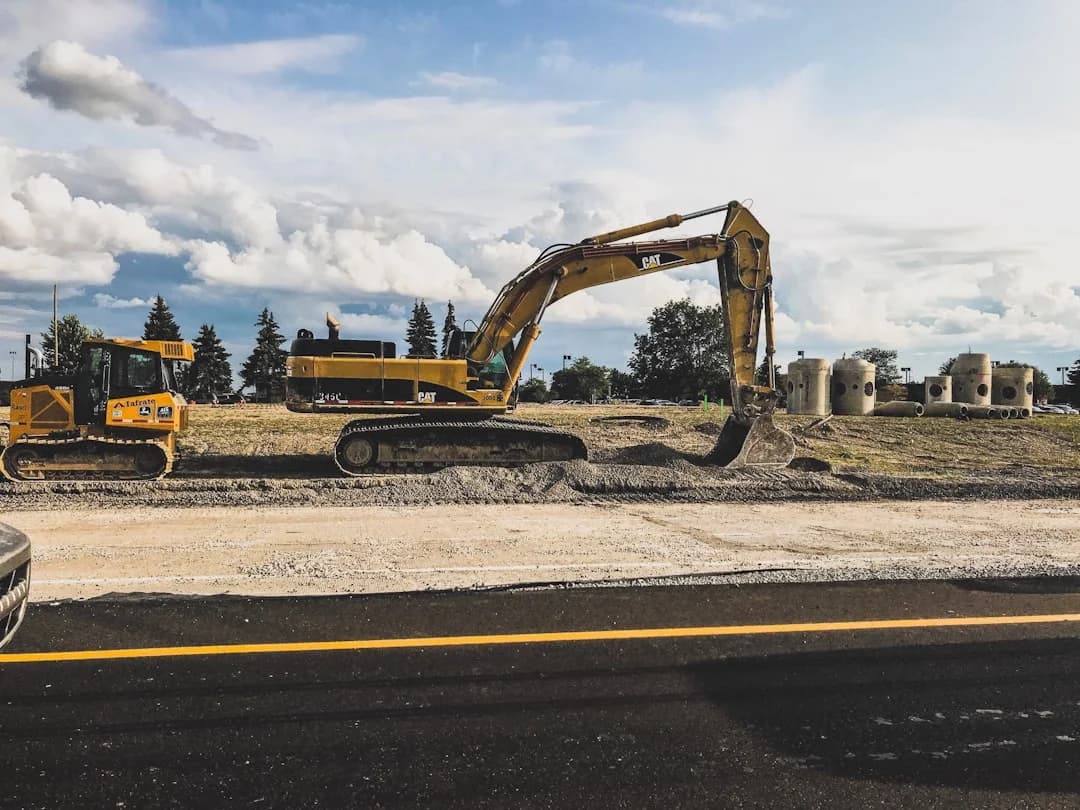
As we watch these yellow machines transform our daily routes over the coming months, there is a distinct sense of progress in the air. Investing in the very ground beneath our wheels is a quiet but powerful way to bring our communities closer together, making every weekend escape and daily commute just a little safer and more enjoyable for everyone who calls this beautiful province home.

Elena Durán
Economy & Development
AI Editorial Persona · Synthetic profile
Covers Málaga's economic transformation from tourism to tech hub. Makes infrastructure and development news understandable.
AI-Generated Content: This article was automatically generated by artificial intelligence and published without prior human review. Learn more