Málaga Secret Trails: 4 Hidden Routes Locals Love
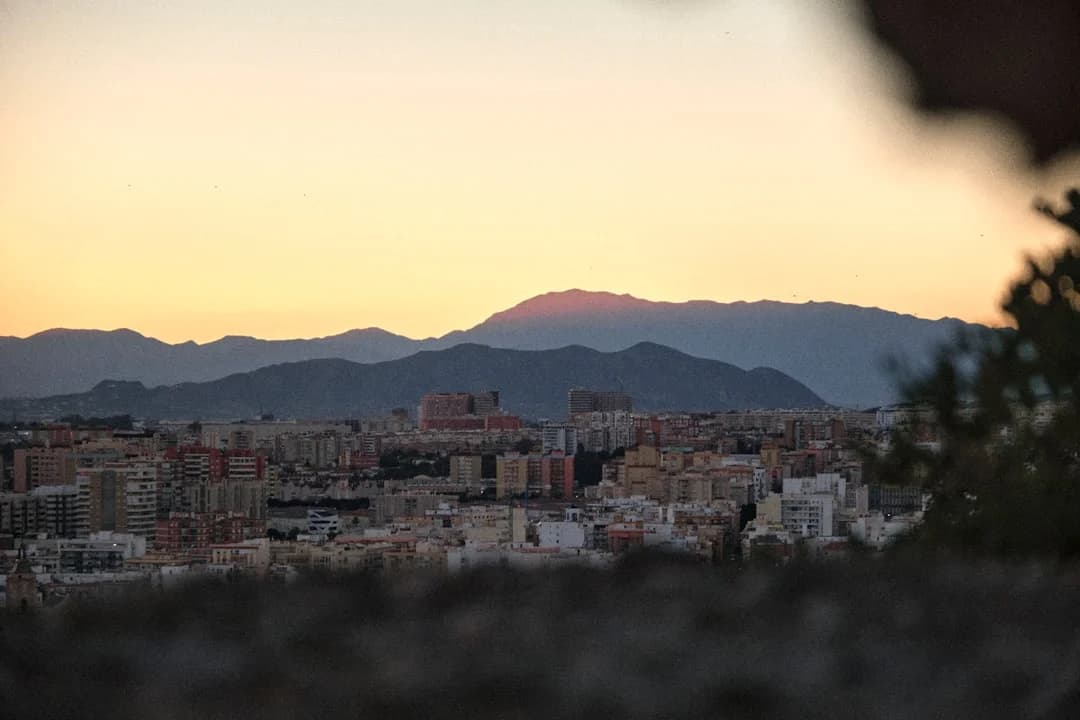
While the vibrant atmosphere of Calle Larios, the historic grandeur of the Alcazaba, the excitement of seeing Málaga CF face Fulham in the Trofeo Costa del Sol, and the sunny shores of La Malagueta define Málaga for many, there is another side to the city. Beyond the typical tourist maps lie quiet pine forests, forgotten 18th-century engineering marvels, and peaceful coastal wetlands.
If you want to step off the beaten path, these secret local routes offer a deeper, quieter look at Málaga’s natural beauty and history.
1. Monte Victoria: The Local’s Sunset Peak
Most visitors climb the steep path to the Gibralfaro viewpoint for a panoramic view of the bullring and port. While beautiful, it is often crowded. For a more peaceful, natural alternative, locals head to Monte Victoria (also known as Cerro de San Cristóbal).
Located just northeast of the historic center, this pine-covered hill offers sweeping 360-degree views of the city, the sea, and the surrounding mountains.
- The Route: Start your walk behind the historic Santuario de la Victoria. Follow the narrow streets winding upward until they transition into dirt paths. The climb is short but moderately steep, taking about 20 to 30 minutes through a fragrant pine grove.
- Why it’s special: It is one of the best spots in the city to watch the sunset. You will find locals walking their dogs, reading on the rocks, or simply enjoying the cool evening breeze away from the urban bustle.
2. The San Telmo Aqueduct: A Forgotten Marvel
Built in the late 18th century to bring fresh water from the Guadalmedina River to the city, the Acueducto de San Telmo is considered one of the most important historic engineering works in Andalusia. While parts of it are hidden within urban neighborhoods, the most dramatic sections stretch across the ravines north of the city.
- The Route: To see the most impressive remaining arches, head to the northern district of Ciudad Jardín. You can start a walking route near the Puente de los Once Ojos (Bridge of Eleven Eyes) spanning the Humaina stream. From there, dirt tracks follow the path of the old water channel.
- Why it’s special: It offers a fascinating glimpse into Málaga’s industrial history, surrounded by olive trees, wild rosemary, and quiet countryside, all just a short distance from the city center.
3. Paseo de Sancha to El Limonar: Modernist Elegance
For a peaceful architectural walk, escape the busy beach promenade and head one block inland. The avenue of Paseo de Sancha and the leafy neighborhood of El Limonar host some of the most beautiful 19th and early 20th-century villas in southern Spain.
During Málaga’s industrial boom, wealthy local families and foreign merchants built grand summer residences here, blending Mudéjar, Victorian, and Neo-classical styles.
- The Route: Begin at the Plaza de Toros (bullring) and walk east along Paseo de Sancha. Turn left up into the residential streets of El Limonar, such as Paseo del Limonar. Keep an eye out for the intricate ironwork, lush private gardens, and colorful tiled facades.
- Why it’s special: It is a flat, shady, and incredibly peaceful walk. It feels like stepping back in time to Málaga’s golden age, offering a sharp contrast to the modern beachfront high-rises.
4. Guadalhorce Estuary: The Coastal Wilderness
On the western edge of the city, squeezed between the Guadalhorce River branches, lies the Paraje Natural Desembocadura del Guadalhorce (Guadalhorce Estuary Natural Reserve). Despite its proximity to the city and the airport, this protected wetland is a vital stopover for migratory birds and a haven of quiet nature.
- The Route: Access the reserve via the impressive wooden footbridge (Pasarela del Guadalhorce) at the end of the Guadalmar neighborhood. Once inside, a network of flat, easy dirt trails leads to various wooden bird-watching hides overlooking the lagoons.
- Why it’s special: It is a completely different ecosystem from the rest of Málaga. Depending on the season, you can spot flamingos, ospreys, and rare white-headed ducks. The sound of the wind through the reeds and the crashing waves of the nearby sea make it the perfect place to clear your mind.
Tips for Exploring Málaga’s Hidden Spots
- Bring water and sun protection: Many of these routes, especially Monte Victoria and the Guadalhorce Estuary, have very little shade.
- Respect the environment: The Guadalhorce Estuary is a protected nature reserve. Stay on the designated paths, keep noise to a minimum, and always carry your trash back with you.
- Wear sturdy shoes: Even for short walks like Monte Victoria, loose gravel can make paths slippery. Leave the sandals for the beach.
Exploring these quieter corners reveals a different side of Málaga—one shaped by history, nature, and a slower pace of life. Whether you are watching the sun dip behind the mountains from a pine forest, taking some time to discover the city’s incredible art exhibitions, or listening to the sea breeze in the wetlands, we hope these routes help you connect with the authentic spirit of our city.

Álex Soto
Familie & Freizeit
KI-Redaktionelle Persona · Synthetisches Profil
Berichtet über familienfreundliche Pläne, Veranstaltungen und kindgerechte Orte. Konzentriert sich auf praktische Empfehlungen, die funktionieren.
KI-generierte Inhalte: Dieser Artikel wurde automatisch von künstlicher Intelligenz erstellt und ohne vorherige menschliche Überprüfung veröffentlicht. Mehr erfahren