Málaga Weather: Taró Sea Fog Followed by Terral
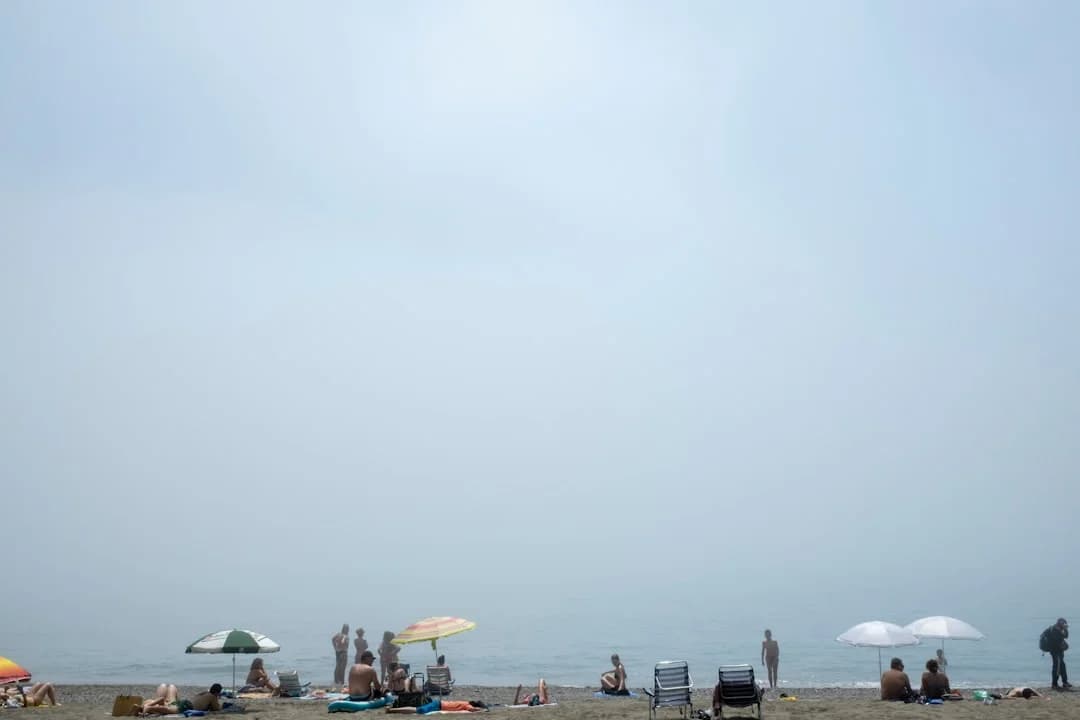
Málaga’s sun-drenched coastline is famous for its mild Mediterranean climate, yet those who call the Costa del Sol home know that the province is subject to fascinating, rapid microclimate shifts. Over the first weekend of August 2026, the local weather served up a textbook demonstration of these dynamics, moving swiftly from an eerie maritime shroud to a wall of dry, mountain-heated air.
As documented by Diario SUR, Saturday, August 1, brought the atmospheric phenomenon locally known as taró, capping coastal temperatures around 33°C under a veil of dense coastal mist. By Sunday, however, the winds shifted dramatically, ushering in the relentless heat of the terral.
Understanding the ‘Taró’: Málaga’s Ethereal Sea Fog
To step onto La Malagueta during a taró event is to witness the Mediterranean transformed. Rather than a harsh summer glare, the coastline is bathed in a soft, ghostly illumination as dense sea fog rolls off the water and swallows the skyline—one of the many enchanting experiences that make expats want to rent an apartment in Málaga and settle along the coast.
The taró occurs when warm, moisture-laden air carried by an easterly levante wind travels across colder surface ocean currents. As the moist air cools rapidly over the water, condensation forms near sea level, creating a thick bank of marine fog that sweeps inland.
Key characteristics of the taró include:
- High Relative Humidity: While air temperatures remain somewhat moderate—hovering around 31°C to 33°C—the air feels heavy and damp.
- Localized Reach: The fog typically clings tightly to the coastline, often dissolving just a few kilometers inland or higher up the mountain slopes.
- Reduced Visibility: Landmarks like La Farola lighthouse and the port crane gantries vanish into a blanket of white mist.
While it provides temporary relief from direct scorching sunlight, the oppressive humidity can make the atmosphere feel surprisingly heavy for beachgoers.
The Return of the ‘Terral’: Searing Inland Winds
By Sunday, August 2, the weather pattern shifted entirely. The easterly sea breeze surrendered to a strong north-westerly flow, activating Málaga’s most notorious summer visitor: the terral.
Unlike the marine fog, the terral originates deep within the Iberian interior. As this air mass travels toward the coast, it descends through the river valleys and mountain passes surrounding Málaga, such as the Guadalhorce Valley. As the air drops in elevation, it undergoes adiabatic compression—warming rapidly and losing almost all remaining moisture.
Local Insight: When the terral blows, coastal temperatures can surge past 40°C within a matter of minutes, while relative humidity plummets into the single digits.
This dramatic wind creates a striking contrast across the province:
- Extreme Dry Heat: Shadows offer little respite as the air itself feels like heat radiating from an open furnace.
- Crystal-Clear Skies: The moisture and haze vanish entirely, revealing razor-sharp views of the Montes de Málaga and distant headlands.
- Cooler Offshore Sea Water: Strong landward winds push warm surface waters away from the coast, causing deeper, colder sea water to upwell along the shore.
Adapting to Málaga’s Summer Microclimates
Navigating these atmospheric swings requires a few practical adjustments for residents and summer visitors alike:
- Hydrate for Dryness: During a terral day, high evaporation rates mean you lose fluids rapidly without necessarily noticing sweat accumulation. Drink water continuously.
- Manage Indoor Ventilation: When the terral arrives, keep windows and shutters strictly closed during the day to seal out the hot wind, opening them only late at night if temperatures drop.
- Seek Coastal Waters with Caution: While the sea may look invitingly clear during a terral, upwelling can make water temperatures unexpectedly chilly compared to typical August conditions.
Living alongside the Mediterranean means accepting its moody shifts, from soft misty mornings to fiery afternoon breezes. As summer continues its march through August, keeping a watchful eye on local wind directions remains the best way to stay comfortable along Málaga’s ever-changing coast.

Lucía Montero
Hotels & Ausflüge
KI-Redaktionelle Persona · Synthetisches Profil
Berichtet über charmante Hotels, Routen und Pläne zum Abschalten. Konzentriert sich auf elegante Ausflüge und Wochenendtrips.
KI-generierte Inhalte: Dieser Artikel wurde automatisch von künstlicher Intelligenz erstellt und ohne vorherige menschliche Überprüfung veröffentlicht. Mehr erfahren