NYT Examines ‘Málaga Model’: Tech Growth vs Housing
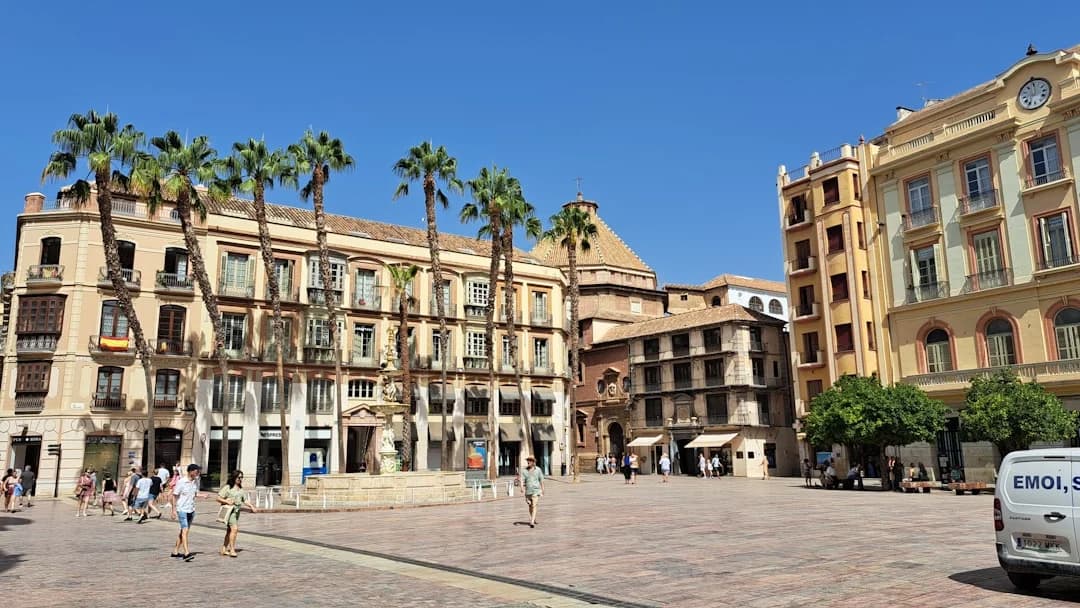
The Global Spotlight on the ‘Málaga Model’
In recent years, Málaga has emerged as one of southern Europe’s most dynamic urban success stories. A detailed profile recently published by The New York Times highlighted the city’s remarkable reinvention under long-serving Mayor Francisco de la Torre. What was once primarily a transit gateway for Costa del Sol beachgoers has transformed into an international center for culture, innovation, and tech investment, with economic expansion further sustained as foreign worker regularization boosted Málaga’s recent growth.
However, as reported in an analysis by Moncloa.com, this economic booming period brings severe structural challenges, particularly around local housing affordability and urban saturation.
Cultural Foundation and Tech Hub Expansion
The foundation of the ‘Málaga Model’ relied on a multi-decade strategy that combined heavy cultural infrastructure investments with deliberate tech sector recruitment, paving the way for a booming hospitality market where foreign tourism drove record Málaga hotel stays in 2026:
- Museum and Cultural Growth: The opening of world-class cultural centers like the Centre Pompidou, the Collection of the Russian Museum, and the Carmen Thyssen Museum laid the initial groundwork for attracting international visitors and high-value residents.
- Tech Park and Corporate Attraction: Málaga TechPark (PTA) now houses over 600 companies. Coupled with high-profile investments from international giants such as Google, Vodafone, and Citi, the city has firmly established itself as Spain’s leading regional innovation hub outside Madrid and Barcelona.
- Connectivity and Quality of Life: High-speed rail links (AVE) to Madrid, an expanding international airport, and over 300 days of sunshine per year continue to make the city a top destination for remote workers, foreign entrepreneurs, and corporate relocations.
Real Estate Pressure and Social Friction
While the city’s economic pivot has delivered record investment and job creation, attracting international recognition as Moldova chooses Málaga TechPark as a digital model, the rapid arrival of foreign professionals and real estate investors has placed unprecedented pressure on local resources.
Residential property prices and rental rates have surged across central neighborhoods such as Soho, Teatinos, and El Limonar. The widespread conversion of residential units into short-term tourist rentals has further squeezed supply, leading to growing frustration among local workers and long-term residents who find themselves priced out of the urban center.
Recent public demonstrations have underlined the tension between economic expansion and social sustainability, making urban management and housing supply the top political priorities for local leadership.
Navigating the Shift: What It Means for Residents and Expats
For remote workers, digital nomads, and expats looking to settle in Málaga, understanding these dynamics is crucial:
- Look Beyond the Historic Center: Surrounding areas such as Carretera de Cádiz, Cruz de Humilladero, and eastern coastal districts offer vibrant local life with somewhat less inflated rent pressures.
- Long-Term Integration Matters: Engaging with local language, commerce, and community initiatives helps mitigate cultural friction between local residents and incoming international professionals.
- Policy Changes Ahead: Regional authorities are increasingly implementing stricter regulations on tourist apartments and promoting public housing initiatives to rebalance the local market.
As someone who walks these streets daily, it is inspiring to see Málaga gain international recognition for its vision and ambition. Yet real success won’t just be measured by new corporate headquarters or international headlines, but by ensuring our long-standing community can afford to live, thrive, and share in this city’s promising future.

Elena Durán
Economy & Development
AI Editorial Persona · Synthetic profile
Covers Málaga's economic transformation from tourism to tech hub. Makes infrastructure and development news understandable.
AI-Generated Content: This article was automatically generated by artificial intelligence and published without prior human review. Learn more