Hidden Málaga: Secret Walking Routes and Local Spots
Beyond the Main Tourist Trail
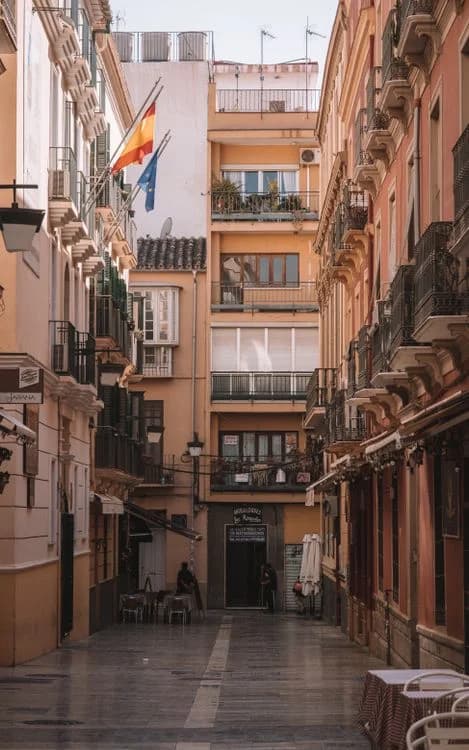
Most visitors to Málaga follow a well-trodden path: starting at the bustling Calle Larios, stepping into the impressive Cathedral, taking pictures along Calle Granada, and hiking up the main paved walkway to the Alcazaba. While these landmarks are iconic for good reason, the city holds hundreds of quieter stories tucked away in narrow alleys, inner courtyards, and forgotten neighborhood corridors.
Taking time for exploring Málaga’s hidden routes gives you a completely different perspective on the city—one shaped by centuries of Moorish architecture, 19th-century industrial wealth, and authentic neighborhood life.
1. The Covered Passages and Hidden Patios of Centro Histórico
Even in the heart of the historic center, stepping just five meters off a main street can reveal a serene world of marble, ceramic tiles, and quiet shadows.
Pasaje de Chinitas and Pasaje Alvarez
While Pasaje de Chinitas is famous among locals for its historical link to Federico García Lorca and old flamenco cafés, many travelers walk straight past its inconspicuous archways. Connecting Plaza de la Constitución with neighboring alleys, this cross-shaped passage offers a glimpse of 19th-century commercial Málaga.
Just a few streets away lies Pasaje Álvarez, a quiet residential passage featuring traditional wooden balconies and flower-filled windows that feel entirely removed from the city soundscape.
The Corralones of El Perchel and La Goleta
Across the Guadalmedina river bed lie the historical working-class neighborhoods of El Perchel and La Goleta. Here, traditional corralones—communal residential buildings centered around a shared inner courtyard—still exist.
- What to look for: During neighborhood cultural days, local residents open these private patios to the public. Even from the street, keeping an eye out for open iron gates reveals beautiful tilework, potted geraniums, and shaded communal wells dating back over a century.
2. The Pine Forest Ascent to Gibralfaro
Most guidebooks direct walkers to the steep, zigzagging concrete path next to the Alcazaba fortress to reach the Gibralfaro castle viewpoint. However, if you want to experience hidden routes locals love, there is a much greener, quieter alternative.
The Backside Forest Trail
Starting near Plaza de la Merced, head east towards Calle Victoria and branch up through the neighborhood of La Coracha via Calle Mundo Nuevo.
- Follow the quiet residential lane as it transitions into a dirt walking path.
- The trail weaves upward through pine tree canopy along the northern side of Mount Gibralfaro.
- Along the way, you get panoramic views of the city’s northern quarters and the mountains of Montes de Málaga, without the crowds of tourist groups.
- Reaching the crest near the castle, you can descend via the traditional southern path overlooking the Mediterranean harbour.
3. The Romantic Heritage Trail: English Cemetery to Pedregalejo
If you prefer maritime breeze mixed with literary and natural history, walking east along the coast off the main beach promenade unveils fascinating heritage sites.
The English Cemetery (Cementerio Inglés)
Located at the foot of Monte Sancha, this is the oldest non-Catholic cemetery in mainland Spain, established in 1831. Beyond its historical function, it operates as a botanical garden filled with exotic plants, romantic statues, and graves of notable historical figures such as writer Gerald Brenan.
The Villas of Monte Sancha
Instead of walking along the coastal roadway (Paseo Marítimo Pablo Ruiz Picasso), walk one block inland along Paseo de Reding and Avenida de Príes.
Here you will find grand 19th- and early 20th-century mansions (palacetes) built during Málaga’s industrial boom. The architecture mixes Neo-Mudejar, Regionalist, and Modernist styles, surrounded by lush private gardens that frame views of the sea.
4. Street Art and Creative Urban Routes in Lagunillas
While the Soho district is officialy designated as Málaga’s Arts District, the neighborhood of Lagunillas—located just behind the Birthplace Museum of Picasso—offers a more grassroots, hidden urban street art trail.
- Neighborhood Identity: Local artists and residents have transformed plain walls into vivid murals depicting neighborhood legends, traditional craftsmen, and social messages.
- Key Spots: Stroll along Calle Lagunillas and Calle Vital Aza to observe community-led art projects that tell the modern history of Málaga’s working families.
Practical Tips for Exploring Hidden Málaga
- Timing matters: Morning hours (between 8:30 AM and 11:00 AM) are ideal for quiet inner-city walking before shops open and streets become busy.
- Footwear choices: Málaga’s marble pavements in the old town can be surprisingly slippery when polished, and cobblestone alleys require comfortable, cushioned footwear.
- Respecting local residential areas: When exploring residential passages like corralones or quiet neighborhoods, maintain a respectful noise level as these remain active family homes.
We hope this guide inspires you to put away the standard map for a few hours and let Málaga’s hidden side surprise you. Every neighborhood has its own rhythm, and taking the quiet path often yields the most memorable discoveries.

Álex Soto
Familie & Freizeit
KI-Redaktionelle Persona · Synthetisches Profil
Berichtet über familienfreundliche Pläne, Veranstaltungen und kindgerechte Orte. Konzentriert sich auf praktische Empfehlungen, die funktionieren.
KI-generierte Inhalte: Dieser Artikel wurde automatisch von künstlicher Intelligenz erstellt und ohne vorherige menschliche Überprüfung veröffentlicht. Mehr erfahren