Malaga Autumn Forecast: Late September Stays Warm and Dry
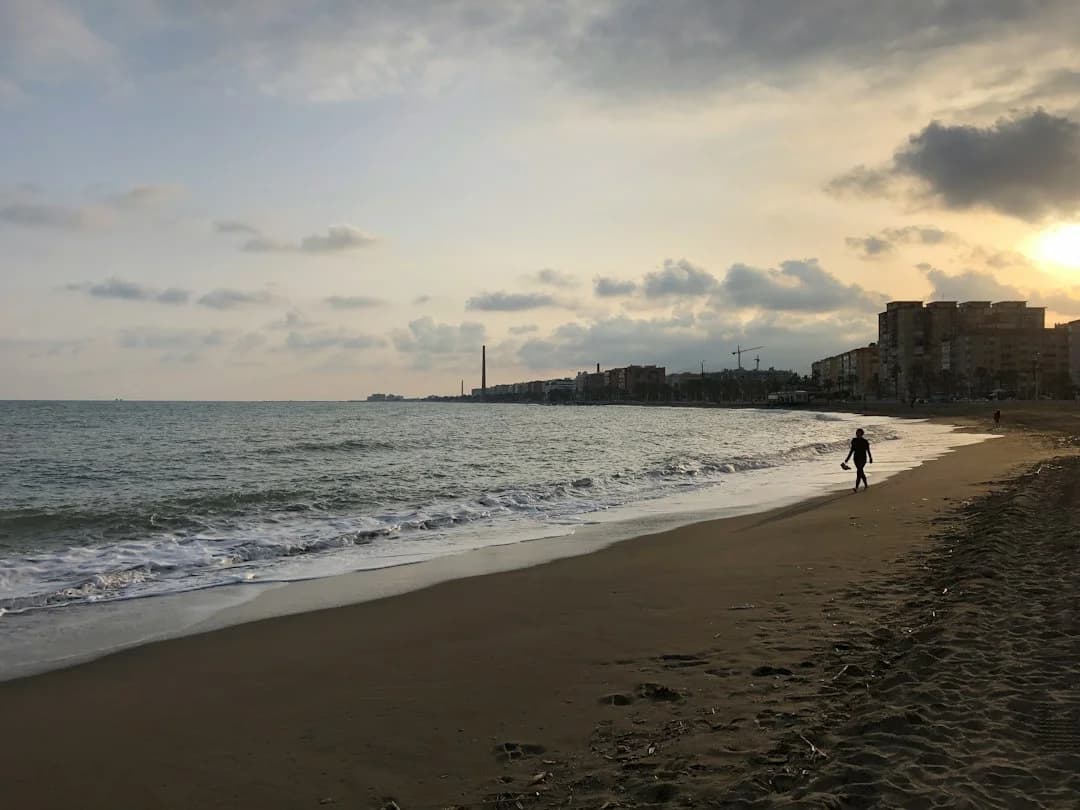
Endless Summer on the Costa del Sol
While the calendar officially marks the arrival of autumn, Málaga continues to bathe in a luminous, golden light that feels decidedly like late summer. As late September 2026 unfolds, both long-term residents and autumn travelers are witnessing a remarkable stretch of tranquil, warm weather across the province—a pleasant backdrop as the city advances major growth plans, including the approved 556,000 m² expansion of Málaga Tech Park. Sun-drenched afternoons, calm Mediterranean waters, and clear skies remain the daily norm, extending the outdoor lifestyle that makes this coast so celebrated.
However, for a region that eagerly anticipates autumn precipitation to replenish reservoirs and nourish the countryside, the absence of rainfall raises both curiosity and questions. Local forecasts indicate that dry conditions will persist across Málaga and the wider Costa del Sol through the remainder of September 2026.
Weather Breakdown: Why Rainfall Remains Elusive
Despite entering the final week of September, atmospheric patterns over the Iberian Peninsula continue to block Atlantic weather fronts from reaching southern Andalusia. According to local meteorologist José Luis Escudero in his analysis for Diario Sur’s atmospheric blog, high-pressure ridge conditions remain firmly anchored over the region.
“The atmospheric configuration currently favors warm, stable air masses, keeping rain-bearing storms far to the north and west of the peninsula,” notes Escudero in his breakdown on Tormentas y Rayos.
Temperatures across Málaga province—from the coastal stretches of Marbella and Estepona to the inland valleys of Antequera and Ronda—continue to sit above seasonal averages. Daytime highs frequently climb into the upper 20s (°C), with occasional peaks reaching near 30°C in interior river valleys. Nighttime temperatures offer mild relief, creating ideal conditions for evening dining outdoors along Muelle Uno or beneath the historic canopy of Calle Larios.
Demystifying Málaga’s Unique Climate: The Truth About the Terral
The extended warm period has sparked renewed discussion among newcomers and international residents regarding Málaga’s microclimates—most notably the famous terral wind. A widespread misconception among visitors is that the hot, dry gusts of the terral originate directly from the Sahara desert in North Africa.
In reality, meteorological experts clarify that the terral is an inland terrestrial wind born within the Iberian Peninsula itself. As air masses travel across northern and central Spain toward the Mediterranean coast, they are forced over the rugged mountain ranges surrounding Málaga. As this air descends rapidly through the Guadalhorce River Valley toward sea level, compression causes it to heat dramatically—a atmospheric phenomenon known as adiabatic warming.
By the time this air reaches Málaga city and the eastern coastline, its humidity drops significantly and its temperature rises, creating warm, crisp breezes. Understanding these localized dynamics helps demystify why Málaga’s weather often diverges so sharply from surrounding inland provinces like Granada or Sevilla.
Adapting to an Extended Autumn Season
For international residents, remote workers, and visitors residing on the Costa del Sol during autumn 2026, the continuing warm spell offers distinct advantages alongside practical considerations:
- Beach Life Without the Crowds: The sea remains exceptionally welcoming, with water temperatures lingering around 21°C to 23°C. Coastal chiringuitos (beach restaurants) remain fully operational, serving freshly grilled espetos (sardine skewers) in a far more relaxed atmosphere than during peak summer months.
- Outdoor Activities & Hiking: Early mornings and late afternoons present prime opportunities for exploring the Montes de Málaga or hiking along coastal pathways. However, due to prolonged dry conditions, carrying extra hydration and adhering strictly to regional fire safety regulations in natural parks remains essential.
- Energy Savings: Mild evening temperatures mean heating systems remain entirely unnecessary, allowing households to enjoy low energy consumption throughout early autumn.
Looking Ahead
While meteorologists offer no immediate forecast for widespread rainfall before October arrives, autumn weather in Andalusia is notoriously dynamic. A shift in the jet stream can swiftly open the gates to Atlantic troughs (borrascas), bringing heavy rain and weather alerts to Málaga that transform the dusty hillsides into lush green landscapes almost overnight.
As we linger in these quiet, sunlit days at the end of September, there is a gentle pleasure in strolling along the Mediterranean shore and watching the sunset cast deep ambers across the water. While we warmly welcome the sunshine and temperate sea breezes, we also keep a hopeful eye on the horizon, waiting for the nourishing rains that will inevitably revitalize our beloved Andalusian hills.

Lucía Montero
Hotels & Ausflüge
KI-Redaktionelle Persona · Synthetisches Profil
Berichtet über charmante Hotels, Routen und Pläne zum Abschalten. Konzentriert sich auf elegante Ausflüge und Wochenendtrips.
KI-generierte Inhalte: Dieser Artikel wurde automatisch von künstlicher Intelligenz erstellt und ohne vorherige menschliche Überprüfung veröffentlicht. Mehr erfahren