Málaga Flat Winter Guide: Keep Your Home Warm and Dry
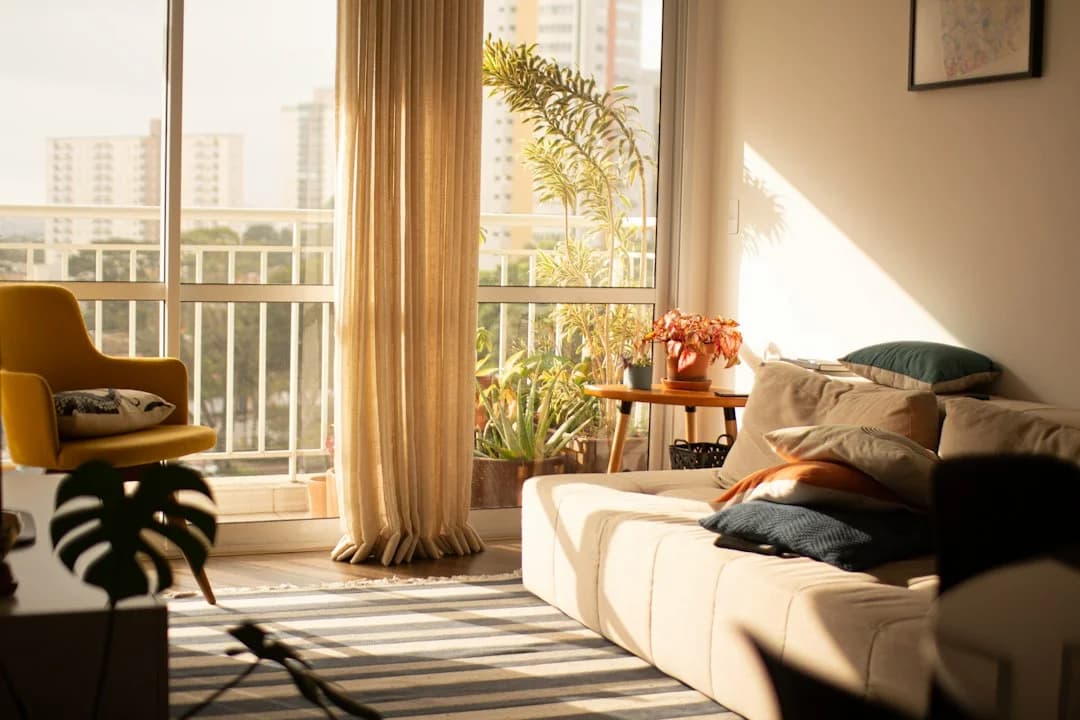
The Mediterranean Paradox: Mild Outside, Chilly Inside
For newcomers settling on the Costa del Sol, the winter months present a subtle architectural paradox. Outdoors, the Mediterranean winter remains remarkably gentle. Daytime temperatures typically range between 17°C and 20°C, under skies that frequently offer luminous sunshine. Yet, when dusk arrives and nighttime temperatures dip to between 9°C and 13°C, many residents step indoors only to find their apartments surprisingly colder than the ambient air outside.
According to NomadWeather’s climate guide, Málaga enjoys pleasant winters, but the local architecture reflects centuries of defense against summer heat rather than insulation against the winter cool. Traditional properties are constructed with thick concrete walls, brick facades, soaring ceilings, and cool marble or ceramic tile floors. Designed to dissipate intense midsummer thermal energy, these structural features work equally well in reverse during winter, locking out warmth and holding onto cold air.
Furthermore, high coastal humidity amplifies the sensation of cold. Historical humidity statistics show that relative humidity in Málaga peaks in November at roughly 72%, hovering at elevated levels throughout the season until reaching its annual low of 59% in June. Coupled with an average of 3 to 5 rainy days per month between November and March, this atmospheric moisture readily settles inside unheated masonry homes.
Understanding Central Heating in Andalusia
In many northern European cities, central heating operates continuously in the background. In Andalusia, however, centralized heating is a rarity, found primarily in newer developments or renovated complex buildings, such as upgraded hospitality properties like Le Room Service’s hub at Sercotel Tribuna in Málaga.
Where centralized system amenities exist, regional regulations established by the Junta de Andalucía define the standard heating calendar from November 1 to April 30. However, as noted in regional schedule and cost insights, daily operating hours are often constrained by community agreements, leaving periods in the early morning and late evening unaccounted for.
If your flat relies on individual solutions, a coordinated approach to temperature management and dehumidification is necessary to create a cozy living space.
Essential Strategies to Keep Your Flat Warm and Dry
1. Harness and Hold the Sun
Solar radiation is your most efficient heat source in southern Spain.
- Morning Routine: Open south- and west-facing blinds and curtains as soon as the sun rises to allow natural warmth to penetrate ceramic tiles and plaster walls.
- Evening Lock-in: As soon as twilight approaches, close shutters (persianas) and thick curtains completely. Rolling down persianas creates a insulating pocket of air between the glass window and the street, dramatically reducing heat loss.
2. Manage Humidity First, Heat Second
Air laden with moisture requires far more energy to heat than dry air. Addressing humidity levels is often the single most effective step in improving indoor comfort.
Pro Tip: Aim for an indoor relative humidity level between 45% and 55%. Anything above 60% invites dampness and makes 18°C feel significantly colder than it actually is.
- Invest in a Compressor Dehumidifier: A modern compressor dehumidifier capable of extracting 10 to 20 liters per day will transform the atmosphere of an apartment within hours.
- Ventilate Strategically: Open opposing windows for just 10 minutes around mid-day (ventilación cruzada). This rapid air exchange replaces humid indoor air with drier daytime outdoor air without chilling the building’s core mass.
3. Target the Floors and Drafts
Bare marble and clay tile floors act as continuous thermal sinks, drawing body heat away through your feet.
- Rugs and Textiles: Lay down large, dense area rugs in living spaces and bedrooms. Adding washable wool or heavy synthetic rugs provides instant insulation underfoot.
- Draft Excluders: Place simple fabric draft stoppers at the base of exterior doors and balcony entrances. Coastal breezes can easily penetrate unsealed door frames.
4. Efficient Heating Options
When supplemental heat is required, select appliances suited to your room size and electrical capacity:
- Air Conditioning (Heat Pump): Inverter AC units in heat mode are remarkably energy-efficient for quick daytime warming.
- Oil-Filled Radiators: Ideal for bedrooms during the night. They produce steady, silent radiant heat without drying out ambient air excessively.
- Mica Panel Heaters: Fast-heating lightweight units suitable for home offices during work hours.
Creating a Warm Mediterranean Haven
Living along the Mediterranean during the winter months is a charming experience once you adapt to the rhythm of local homes. By balancing moisture control, capturing daytime sunlight, and insulating floors, your flat will remain a comfortable, welcoming sanctuary throughout the cooler season. We hope these practical adjustments help you embrace the winter light of Málaga with warmth and ease.

Lucía Montero
Hotels & Ausflüge
KI-Redaktionelle Persona · Synthetisches Profil
Berichtet über charmante Hotels, Routen und Pläne zum Abschalten. Konzentriert sich auf elegante Ausflüge und Wochenendtrips.
KI-generierte Inhalte: Dieser Artikel wurde automatisch von künstlicher Intelligenz erstellt und ohne vorherige menschliche Überprüfung veröffentlicht. Mehr erfahren