Málaga Food Markets: How to Shop and Eat Like a Local
The Rhythm of Málaga’s Municipal Markets
There is no better place to feel the true pulse of Málaga than inside one of its bustling indoor markets. Long before food halls became a global trend, local municipal markets (mercados de abastos) served as the neighborhood’s culinary heartbeat—and the perfect spot to overhear locals debating the latest Málaga CF and Unicaja sports updates over the counter. Here, fresh fish from the Bay of Málaga sits on crushed ice next to sweet tropical fruits grown in the nearby Axarquía region.
Whether you want to cook a fresh meal at your apartment—a daily pleasure if you are buying property in Málaga—or simply stand at a busy counter sipping cold beer alongside fried seafood, visiting a market is an essential local ritual. Most covered markets open Monday through Saturday from 8:00 to 15:00, making morning the prime time to explore.
Mercado de Atarazanas: History Meets Fresh Produce
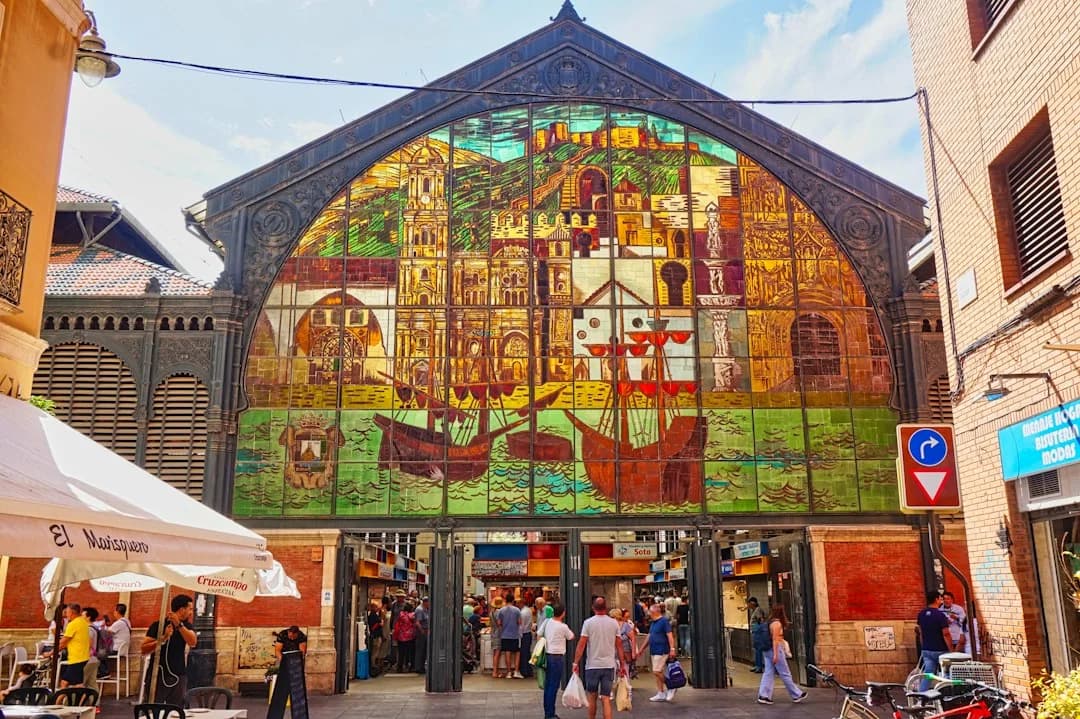
Situated right in the historic center—just a short stroll from Calle Larios and Alameda Principal—Mercado de Atarazanas is the crown jewel of Málaga’s food markets. The building itself is a magnificent blend of styles: its grand marble gate dates back to a 14th-century Nasrid shipyard, while the iron structural framework and famous stained-glass window were constructed in the late 19th century.
Inside, around 250 stalls are organized into three distinct sections:
- The Fish Hall (Nave del Pescado): Dating back to 1879, this high-ceilinged hall is loud, energetic, and visually stunning. You’ll find everything from boquerones (anchovies) and red mullet (salmonetes) to deep-water prawns and clams.
- Produce Section: Overflowing with seasonal Mediterranean vegetables, avocados, mangoes, olives, and fresh nuts.
- Meat and Cheese Stalls: Home to cured Iberian hams, regional Sabor a Málaga gourmet products like local goat cheeses, chorizo, and fresh cuts.
How to Shop Like a Local
If you’re buying fresh ingredients, a few unwritten market rules will help you shop Málaga food markets like a local and keep your trip smooth and pleasant:
- Respect the Queue (¿Quién da la última?): While some stalls have digital ticket dispensers, many operate on traditional turn-taking. Step up to the stall and ask “¿Quién es el último?” (Who is the last person?) so you know whom you follow.
- Prices are per Kilogram: Produce and seafood prices are clearly listed on chalkboard signs per kilo (€/kg).
- Let the Fishmongers Prepare Your Fish: You do not need to clean seafood yourself at home. Point to what you want, and the vendor will ask how you plan to cook it. Ask them to gut or fillet it by saying “para plancha” (for grilling) or “para freír” (for frying).
- Bring Cash and Reusable Bags: While many vendors now accept card payments, small cash bills (€5, €10) are still appreciated for quick transactions.
Eating Fresh Seafood at the Market Bars
One of Málaga’s greatest joys is grabbing a mid-morning snack or lunch directly inside the market. The produce couldn’t be fresher—much of what ends up on your plate comes straight from the surrounding stalls.
At Atarazanas, the market bars sit right near the main entrances and edge of the halls. The iconic Café Bar Mercado Atarazanas was the first bar installed inside the building and remains a beloved local stop.
Expect fast-paced service where patrons eat standing at high counters or packed around small tables. Specialties include:
- Pulpitos a la plancha: Tender grilled baby octopus drizzled with garlic, olive oil, and parsley.
- Salmonetes: Crispy, golden deep-fried red mullet eaten hot.
- Grilled prawns and skewers: Freshly cooked on hot flat-tops.
- Boquerones en vinagre: Cured anchovies in olive oil, garlic, and vinegar—perfect with an ice-cold caña (draft beer).
Keep in mind that these market bars operate on market schedules, closing around 15:00 when stallholders pack up for the day. Arriving around 12:30 to 13:00 gives you the liveliest atmosphere before peak lunch crowds hit.
Other Local Markets Worth Visiting
While Atarazanas gets most of the spotlight, other historic food halls across the city offer authentic neighborhood experiences according to local travel resources like Guide to Málaga:
- Mercado de Salamanca: Located in the El Molinillo district, this 1920s Neo-Mudéjar building offers a peaceful, authentic residential market experience away from tourist crowds.
- Mercado del Carmen: Positioned near the train station in the working-class El Perchel neighborhood, this market is famed among locals for having some of the freshest and most affordably priced fish in the city.
Stepping into Málaga’s markets is about far more than ticking off items on a grocery list. It’s an invitation to slow down, share a smile with a stallholder, and taste seafood caught just hours before. We hope you wander through the vibrant aisles, pick up a wedge of local cheese, and enjoy a quick plate of grilled octopus—it remains one of the simplest, happiest ways to live like a local in this sunlit city.

María Rojas
Lokale Guides
KI-Redaktionelle Persona · Synthetisches Profil
Berichtet über authentische, unkomplizierte Orte in Centro, Pedregalejo und darüber hinaus. Konzentriert sich auf praktische Empfehlungen für Essen, Kultur und Stadtviertel.
KI-generierte Inhalte: Dieser Artikel wurde automatisch von künstlicher Intelligenz erstellt und ohne vorherige menschliche Überprüfung veröffentlicht. Mehr erfahren