Málaga’s Hotel Boom: Luxury Expansion and High Demand
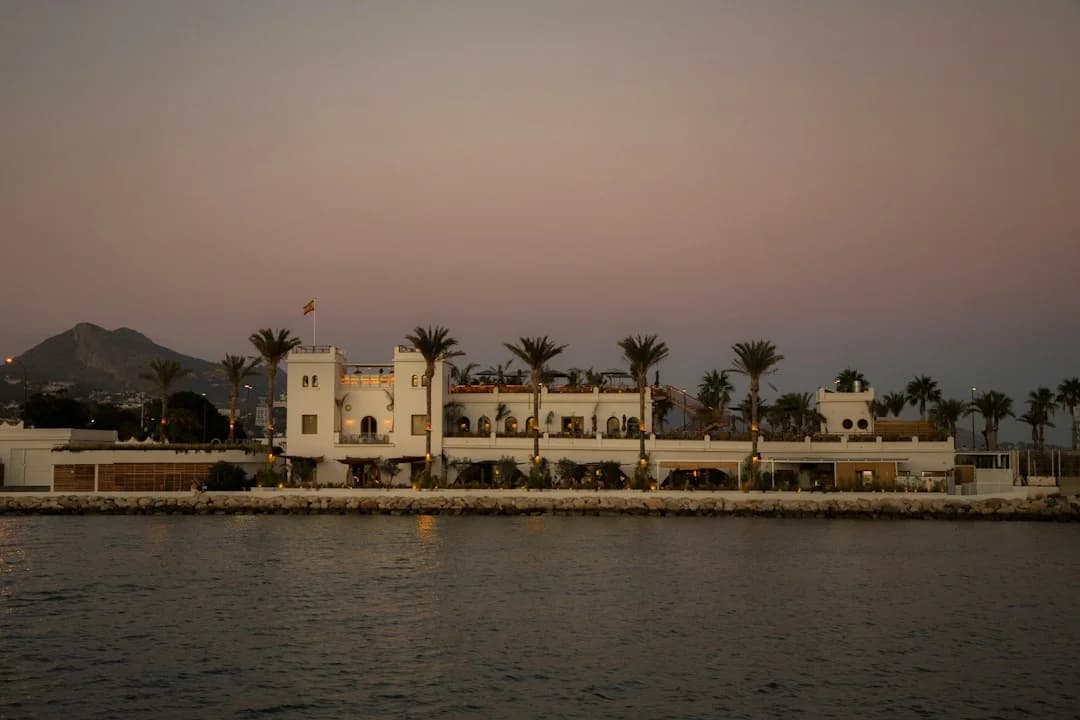
A New Chapter for Hospitality in Málaga
For decades, Málaga served primarily as the gateway to the sun-drenched beach resorts of the Costa del Sol. Travelers would step off their flights, collect their luggage, and immediately head west toward Marbella or east toward Nerja. Today, that narrative has dissolved entirely. Málaga has emerged as one of Southern Europe’s most coveted urban destinations—where visitors now stay to shop the historic Mercado de Atarazanas like a local—and its hotel landscape is undergoing a deep, structural transformation to match its cultural ascent.
The city’s hotel sector is experiencing an unprecedented evolution. Driven by corporate investments, high-profile museum openings, and a burgeoning tech hub in El Neotrópico, demand for premium accommodation has soared. What was once a market dominated by modest three-star properties and traditional coastal lodgings has rapidly redefined itself around boutique elegance, international five-star hospitality, and architectural restoration.
The Rise of Five-Star Urban Luxury
Perhaps the most noticeable shift in Málaga’s hotel market is the arrival of luxury hospitality brands that historically bypassed the city center. Investors and international operators have recognized that discerning travelers now wish to stay within walking distance of the Picasso Museum, the historic Alcazaba, and the vibrant waterfront to discover surprising details about Málaga’s culture.
Key trends defining this luxury movement include:
- Palatial Restorations: Historic 19th-century mansions along Calle Larios and Alameda Principal are being meticulously converted into sophisticated boutique hotels that preserve neoclassical facades while integrating contemporary interior design.
- Flagship Urban Resorts: High-end developments around the port area and the eastern districts offer tranquil urban oases featuring private spa facilities, lush Mediterranean gardens, and sweeping bay views.
- High Occupancy Rates: Year-round demand has softened the traditional low season. Autumn and winter now see substantial bookings driven by cultural travelers, business conferences, and winter-sun seekers.
The modern traveler in Málaga isn’t merely seeking a bed for the night; they are seeking an immersed cultural experience framed by architectural heritage and refined Andalusian hospitality.
Rooftops and Gastronomy: The Hotel as a Social Hub
In contemporary Málaga, hotels are no longer isolated enclaves reserved exclusively for out-of-town guests. They have integrated deeply into the social fabric of the city, largely through the elevation of their rooftop terraces (terraza-terrazas) and culinary offerings.
Many of the city’s finest properties feature rooftop bars providing unobstructed panoramas of the illuminated Cathedral tower—affectionately known as La Manquita—and the ancient fortress walls. These venues have become prime meeting places for locals and visitors alike, hosting sunset acoustic sessions, mixology workshops, and curated dining experiences.
Furthermore, hotel dining has transcended the standard continental buffet. Michelin-starred chefs and innovative local culinary talent are spearheading hotel restaurants across the city, focusing on seasonal Andalusian ingredients, fresh catches from the Mediterranean, and elevated local wines from the Axarquía and Ronda regions.
Neighborhood Spotlight: Where the Growth Is Happening
While the historic center (Centro Histórico) remains the heart of boutique conversions, hotel investment has spilled into adjacent neighborhoods, reshaping the city’s urban footprint:
Soho: The Arts District
Once a quiet residential enclave, Soho has transformed into an edgy, arts-driven district. Hotels here lean heavily into industrial aesthetics, contemporary art installations, and eco-friendly design, catering to younger digital nomads and creative professionals.
El Perchel and the Rail Quarter
Driven by high-speed rail connectivity at Maria Zambrano station, the area around El Perchel has seen significant development in business-oriented four-star properties. Modern towers offering state-of-the-art conference facilities cater to the growing volume of international corporate travelers visiting Málaga’s technology parks.
La Malagueta and Limonar
To the east, where sea breeze meets tree-lined avenues, luxury offerings take on a softer, more residential character. Here, historic villas and beachfront properties offer quiet sophistication just minutes from the bustling city center.
Navigating the Changing Landscape
For visitors planning a trip to Málaga, this hotel boom offers unparalleled variety, though it requires a bit more foresight than in years past. Due to high year-round demand, securing reservations several months in advance—particularly for boutique properties during peak cultural events—has become essential.
Whether you choose a restored merchant’s house in the maze of historic alleyways or a sleek seafront room overlooking the Mediterranean, Málaga’s hotel landscape now reflects the city’s broader spirit: deeply rooted in its rich history, yet looking forward with confidence and elegance.
As our city continues to grow and welcome guests from around the world, our hope is that this vibrant hospitality sector remains intimately connected to the soul of Málaga, honoring local traditions while crafting unforgettable memories for everyone who walks through its doors.

Lucía Montero
Hotels & Ausflüge
KI-Redaktionelle Persona · Synthetisches Profil
Berichtet über charmante Hotels, Routen und Pläne zum Abschalten. Konzentriert sich auf elegante Ausflüge und Wochenendtrips.
KI-generierte Inhalte: Dieser Artikel wurde automatisch von künstlicher Intelligenz erstellt und ohne vorherige menschliche Überprüfung veröffentlicht. Mehr erfahren