How to Shop Mercado de Atarazanas Like a Local
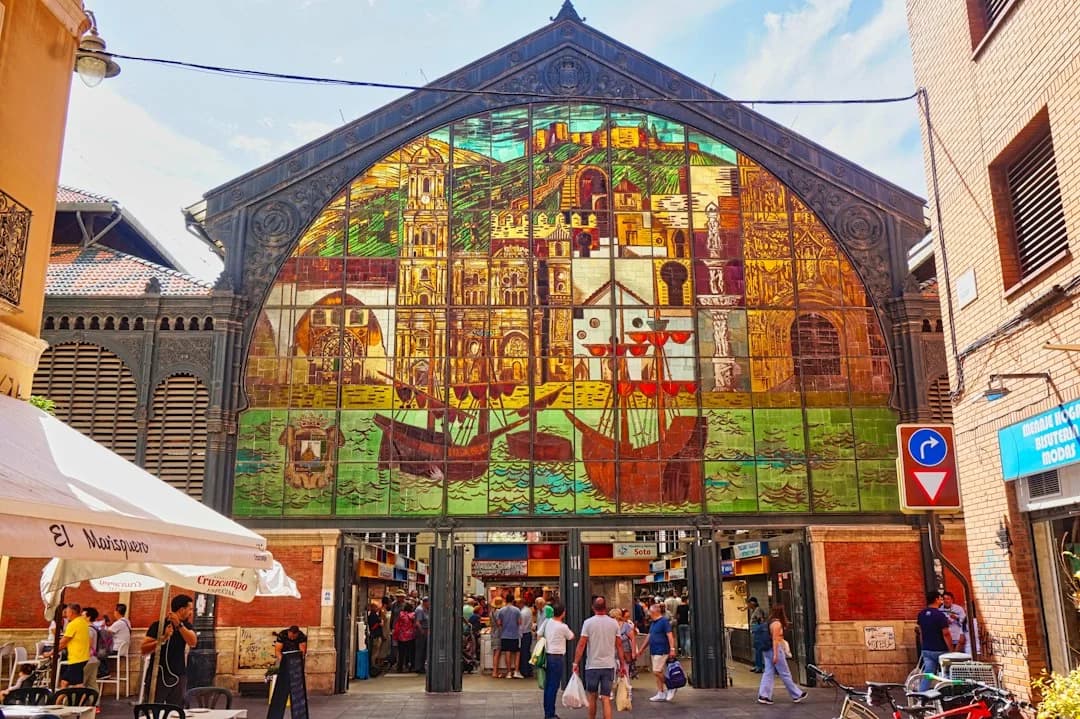
Stepping into the Mercado Central de Atarazanas for the first time can feel overwhelming. The echo of market vendors calling out daily specials, the scent of sea salt and ripe citrus, and the sheer volume of fresh fish laid out on ice—sourced straight from the nearby harbor where Málaga Port secured €48.5M for logistics and innovation—create a sensory experience unmatched anywhere else in the city.
Located just a short walk from Calle Larios and Alameda Principal, Atarazanas is not just a tourist landmark—it is the everyday kitchen of Málaga. If you are eager to explore Málaga’s indoor food markets, here is how to navigate its historic halls, source the best ingredients, and shop with confidence.
A Brief Architectural Heritage
Before loading your shopping basket, it helps to appreciate where you are standing. The word atarazanas stems from the Arabic term for shipyard. During the 14th century, when Málaga was under Nasrid rule, the sea reached right up to this location, and the building served as a naval workshop.
Today, you can still enter through the original 14th-century marble Arab gate on the northern facade. In the late 19th century, the site was transformed into a covered municipal market using cast-iron architecture typical of the industrial era. A grand stained-glass window depicting Málaga’s historic monuments anchors the southern facade. As noted by Spanish Guides, the building holds official status as a Property of Cultural Interest (Bien de Interés Cultural).
Practical Details: Opening Hours and Best Times
- Operating Hours: Monday to Saturday, 9:00 AM to 2:00 PM (some stalls remain open until 2:30 PM). Closed on Sundays.
- Best Time for Serious Shopping: Between 9:30 AM and 11:00 AM. Arriving early gives you prime choice, especially in the seafood section, before the peak crowds arrive.
- Best Time for Tapas: 12:30 PM to 2:00 PM. Enjoying a cold draft beer (caña) alongside fried fish at the popular market bars is a mandatory local ritual.
Navigating the Three Main Sections
The market features over 250 stalls categorized into three distinct halls: Fish, Fruits & Vegetables, and Meats & Delicatessens.
1. The Central Fish Market (Pescadería)
Occupying the central aisle under the wrought-iron trusses, the fish section is the heart of Atarazanas. Fishermen bring in their fresh catch daily from the Mediterranean.
- What to Buy: Look out for local mainstays like boquerones (anchovies), fresh sardines ready for grilling, octopus (pulpo), red mullet (salmonete), red prawn (gamba roja), and seasonal bluefin tuna or swordfish.
- Local Tip: Vendors handle cleaning and gutting fish upon request. If you want your anchovies butterfly-cut for frying or filleted for marinating, simply ask: “¿Me los limpias para freír/marinar, por favor?”
2. Produce Section (Frutas y Verduras)
Málaga’s sub-tropical microclimate in the nearby Axarquía region allows local farmers to produce exceptional fruits that you rarely find elsewhere in mainland Europe.
- What to Buy: Seasonal avocados, mangos, custard apples (chirimoyas), citrus fruits, and heirloom tomatoes (tomate huevo de toro).
- Shopping Etiquette: Avoid handling the produce yourself unless handed a bag or invited to do so by the vendor. Point or ask for the quantity in kilograms (kilos) or half-kilograms (medio kilo).
3. Meat, Cheese, and Cured Delicacies (Carne y Charcutería)
Positioned along the side aisles, these stalls offer artisanal Andalusian specialties.
- What to Buy: Jamón Ibérico de Bellota, artisan goat cheese from the Montes de Málaga, spiced olives (aceitunas aliñadas), and local cured sausages like salchichón de Málaga.
- Shopping Tip: Stalls selling nuts and dried fruits (frutos secos) offer excellent roasted Marcona almonds salted to order.
Shopping Etiquette: How to Order Like a Local
Shopping here is conversational and orderly, despite the lively noise:
- Take Your Turn: Ask “¿Quién es el último?” (Who is the last person in line?) when approaching a busy stall so you know who you are following.
- Payment Methods: While most vendors accept contactless card payments nowadays, carrying small cash notes (€5, €10, €20) makes quick purchases smoother, especially at smaller vegetable stalls.
- Bring Reusable Bags: Pack a sturdy canvas bag or trolley. Paper bags are provided, but carrying multiple loose items gets cumbersome quickly.
As recorded in overview directories like Markets in Spain, Atarazanas remains one of Andalusia’s most authentic municipal food spaces, retaining its local neighbourhood role alongside its popularity with visitors.
We hope this practical guide helps you move past the outer perimeter, engage with the market stallholders, and pick out the very best local products Málaga has to offer. Enjoying a market day is one of the simplest, most rewarding ways to feel connected to this city.

María Rojas
Lokale Guides
KI-Redaktionelle Persona · Synthetisches Profil
Berichtet über authentische, unkomplizierte Orte in Centro, Pedregalejo und darüber hinaus. Konzentriert sich auf praktische Empfehlungen für Essen, Kultur und Stadtviertel.
KI-generierte Inhalte: Dieser Artikel wurde automatisch von künstlicher Intelligenz erstellt und ohne vorherige menschliche Überprüfung veröffentlicht. Mehr erfahren