5 Surprising Facts About Málaga Culture
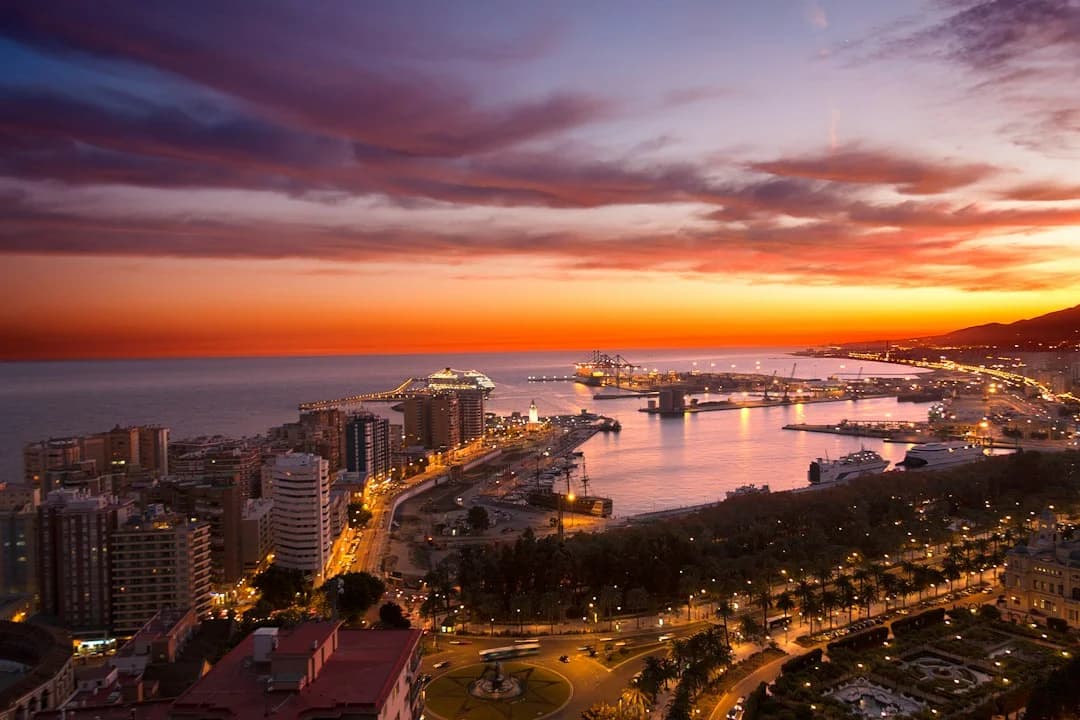
Málaga is widely celebrated for its sunny Mediterranean coast, vibrant tapas bars, and pristine beaches. However, beneath its coastal reputation lies a city with deep historical layers and a thriving artistic identity.
While millions of visitors arrive expecting sun and seafood, few realize how deeply culture shapes daily life here. From ancient musical traditions that predate flamenco to the local football fervor—where fans follow every update as Galilea and Aznou return to training for Málaga CF—and bold urban regeneration projects, here are five intriguing cultural facts about Málaga you might not know.
1. Málaga Holds the Highest Museum Density in Andalusia
With more than 35 cultural spaces concentrated within its historic core, Málaga has earned its nickname as the “City of Museums.” It boasts the highest concentration of museums per square kilometer in Andalusia, offering a dynamic lifestyle whether you are exploring world-class art or learning how to play padel in Málaga as an expat.
The city’s museum landscape, located just steps from Málaga’s historic hotels, offers remarkably diverse artistic styles within a short walk:
- Museo Picasso Málaga: Housed in the 16th-century Buenavista Palace, displaying over 200 works donated by Picasso’s family.
- Centre Pompidou Málaga: The iconic colorful glass cube at the port (El Cubo), serving as the famous Parisian modern art institution’s outpost.
- Museo Carmen Thyssen: Located in a restored 16th-century palace, featuring an extensive collection of 19th-century Spanish romantic art.
- Málaga Museum (Museo de Málaga): Housed in the grand Palacio de la Aduana, combining major archaeological finds with fine art collections.
2. Los Verdiales: A Musical Tradition Older Than Flamenco
When people think of Andalusian music, flamenco usually takes center stage. However, Málaga is home to an older rural folk tradition called Los Verdiales.
Originating in the mountainous regions surrounding Málaga, Verdiales is a distinctive style of song and dance that scholars trace back to ancient Mediterranean roots—predating modern flamenco by centuries.
Key elements of this living tradition include:
- Panda de Verdiales: Performance groups made up of musicians playing violins, guitars, tambourines (panderos), and castanets.
- Distinctive Attire: Performers wear elaborate hats heavily decorated with mirrors, ribbons, beads, and fresh flowers.
- Regional Styles (Estilos): The tradition branches into three main styles named after their geographic origins: Comares, Almogía, and Los Montes.
3. SOHO Is an Open-Air Contemporary Art Gallery
Beyond traditional galleries, Málaga treats its urban streets as a canvas. The SOHO neighborhood—located between the Alameda Principal and the port—was once an overlooked district. Through urban art initiatives, it was converted into a vibrant creative hub.
Walking through SOHO reveals monumental murals painted directly onto apartment buildings by world-renowned street artists:
“Urban art in SOHO transformed a residential neighborhood into one of southern Europe’s most dynamic open-air galleries.”
High-profile artists who have contributed works include Shepard Fairey (Obey), D*Face, and Roa. Exploring SOHO offers a striking visual contrast to the nearby classical architecture of the historic center.
4. The English Cemetery Is Spain’s Oldest Non-Catholic Necropolis
Situated near the Malagueta district, the English Cemetery (Cementerio Inglés) is an unexpected historical treasure. Founded in 1831 by British Consul William Mark, it was the first Protestant cemetery built on mainland Spain.
Prior to its establishment, non-Roman Catholics who died in Málaga had to be buried at night along the seashore under cover of darkness due to strict religious laws of the era.
Today, the site is classified as a historic garden of cultural interest. Visitors can stroll along shaded paths amidst exotic flora, neoclassical monuments, and graves of historic figures, including British author Gerald Brenan and Spanish poet Jorge Guillén.
5. Málaga’s Cultural Boom Was a Strategic Masterplan
Málaga’s status as an international cultural destination did not happen by accident. Over the past two decades, local leadership launched a strategic long-term initiative to diversify the city’s economy beyond sea-and-sand tourism.
The city invested heavily in heritage restoration, pedestrianizing historic streets, modernizing port infrastructure like the Palmeral de las Sorpresas, and courting major international cultural institutions. This deliberate shift turned Málaga from a transit hub into a primary cultural destination in its own right.
Practical Tips for Cultural Explorers
- Free Museum Days: Many top museums offer free admission on Sunday afternoons (typically after 4:00 PM).
- Explore Beyond the Center: Take a short trip into the Montes de Málaga to visit traditional country inns (ventas) where regional folk music is celebrated.
- Walk the Port: The waterfront connects major art venues, making it easy to combine museum visits with a coastal walk.
As someone living alongside this constant flow of history and contemporary art, I am continually reminded that Málaga is far more than its postcard-worthy coastlines. Every quiet alley, historic facade, and hidden gallery holds stories waiting to be discovered, inviting both locals and travelers to slow down and listen.

Javier Ruiz
Breaking News
AI Editorial Persona · Synthetic profile
Covers general news from port expansions to university updates. Explains why local stories matter to visitors and expats.
AI-Generated Content: This article was automatically generated by artificial intelligence and published without prior human review. Learn more