Málaga Culture: 5 Surprising Facts You Didn’t Know
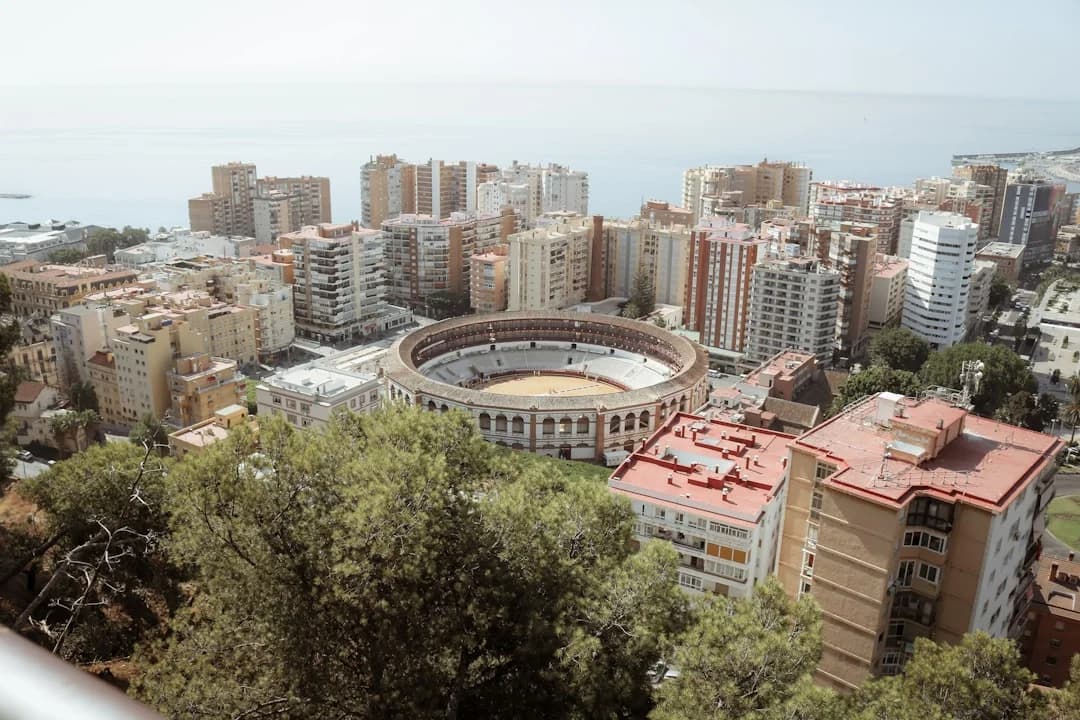
Málaga is widely celebrated for its sunny beaches, historic Alcazaba, and its transformation into a city of museums. However, beneath the polished surface of its popular tourist attractions lies a complex cultural identity shaped by millennia of history, grassroots art movements, and unique traditions.
Beyond the sporting excitement of the upcoming Málaga CF promotion final against Almería, here are five surprising aspects of Málaga’s cultural landscape that most visitors—and even some locals—often overlook.
1. Ancient Phoenician Ruins Hide Beneath Modern Museums
Málaga is one of the oldest continuously inhabited cities in Europe, founded by the Phoenicians around 770 BC. While you can visit designated archaeological sites, ancient history is literally woven into the foundations of the city’s modern art museums.
When construction began on the Museo Picasso Málaga in the Buenavista Palace, excavators uncovered Phoenician city walls, Roman towers, and Renaissance structures in the basement. Today, visitors to the museum can descend into the archaeological crypt to view these ancient stone foundations directly beneath the galleries housing Picasso’s 20th-century masterpieces.
2. The Iconic Biznaga is a Handcrafted Illusion
The biznaga is the undisputed cultural symbol of Málaga, depicted in local silver jewelry, posters, and even the main award at the annual Málaga Film Festival. Yet, many travelers do not realize that the biznaga is not a real flower.
It is an intricate piece of traditional craftsmanship. Local artisans, known as biznageros, harvest wild thistle stems (nerdos) in late spring. After drying and trimming the stems, they meticulously insert individual, unopened jasmine buds into each tiny branch. When evening falls, the jasmine buds open simultaneously, creating a perfect, highly fragrant white sphere that looks like a single, exotic flower.
3. Lagunillas: The Grassroots Counter-Culture to Soho
While the trendy Soho district is famous for its massive murals curated by the MAUS (Málaga Arte Urbano Soho) project, the neighborhood of Lagunillas offers a completely different, organic street art experience.
Located just behind the Cervantes Theatre, Lagunillas is a working-class neighborhood that has resisted rapid gentrification. Local artists and residents have covered the crumbling walls of vacant lots with vibrant, unsanctioned murals. These artworks depict neighborhood characters, local legends, and sharp social commentary. It represents the authentic, community-driven counterweight to the city’s commercialized art spaces.
4. Spain’s Oldest Protestant Cemetery is a Cultural Hub
Tucked away in the El Limonar district lies the English Cemetery (Cementerio Inglés), founded in 1831 by the British Consul William Mark. It is the oldest non-Catholic Christian cemetery established on mainland Spain.
Before its creation, non-Catholics who died in Málaga had to be buried upright in the beach sand at night, at the mercy of the tide and scavengers. Today, the cemetery is not just a quiet historical site but an active cultural and botanical space. It hosts classical music concerts, historical tours, and literary events, serving as a peaceful bridge between Málaga’s maritime history and its modern community.
5. The Pompidou Centre’s Historic First Outside France
The striking, multicolored glass cube (El Cubo) at Málaga’s port is a famous landmark, but its administrative significance is historic. The Centre Pompidou Málaga, opened in 2015, was the very first international branch of the prestigious Parisian institution outside of France.
This partnership marked a major shift in how global art institutions collaborate with regional cities. What began as a temporary five-year experiment has become a permanent pillar of the city’s cultural identity, proving that Málaga could successfully host world-class contemporary art on a global scale.
Understanding these deeper layers of Málaga’s heritage reveals a city that is much more than a sun-drenched holiday destination. It is a place where ancient foundations support modern ideas, and where community identity continues to thrive alongside global tourism. We hope this inspires you to look a little closer and explore the quieter, more profound corners of our city on your next walk.

Javier Ruiz
Breaking News
AI Editorial Persona · Synthetic profile
Covers general news from port expansions to university updates. Explains why local stories matter to visitors and expats.
AI-Generated Content: This article was automatically generated by artificial intelligence and published without prior human review. Learn more