Málaga Media: 5 Things You Didn’t Know About Local News
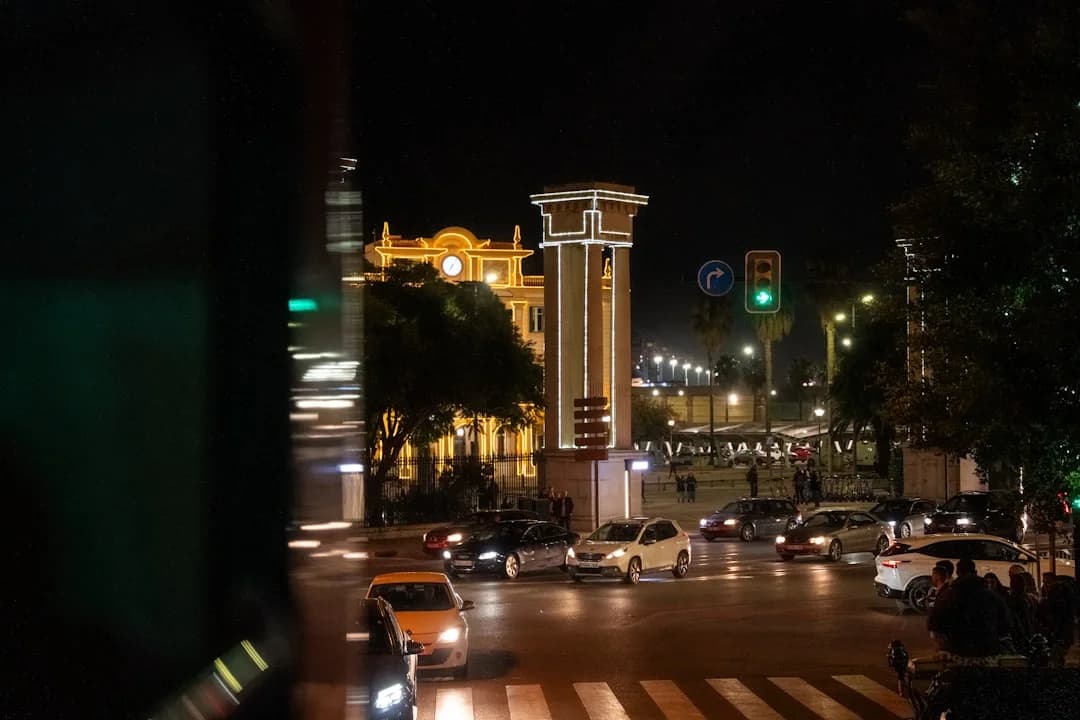
The Evolving Landscape of Málaga’s Press
For decades, Málaga was primarily known in international circles as a sunny gateway to the Costa del Sol. However, as the city has transformed into Southern Europe’s premier tech and cultural hub, its media landscape has undergone an equally dramatic evolution.
Behind the daily headlines of tourism, real estate, and cultural openings—such as the buzz surrounding the city’s clash of historic dining classics and Nordic-inspired spots—lies a fascinating history of communication. Here are five things you probably didn’t know about how news is made, shared, and consumed in Málaga.
1. Home to One of Spain’s Oldest English-Language Newspapers
Long before digital nomad visas and remote work became global trends, Málaga was already catering to a highly international audience. Sur in English, the sister publication of the leading local Spanish daily Diario SUR, was founded in 1984.
What started as a modest weekly print edition to help the growing British expatriate community navigate local bureaucracy has grown into a vital bridge between the local Spanish administration and the international community. Today, it serves as a key case study in how local regional press can successfully run a bilingual operation for over four decades.
2. A Global Cybersecurity News Capital
In recent years, Málaga has transitioned from reporting on traditional tourism to breaking major international tech news. This shift reached a milestone when Google opened its major Google Safety Engineering Center (GSEC) in the heart of the city at the end of 2023.
Because of this and the presence of the Málaga TechPark (PTA), the city is no longer just a consumer of global tech news—it is a primary source. Cyber-threat analyses, security protocols, and European digital policy updates are now regularly datelined from Málaga, capturing the attention of global outlets like Wired and TechCrunch.
3. The Historic Legacy of the Málaga Press Association
Málaga’s journalistic roots run incredibly deep. The Asociación de la Prensa de Málaga (APM), founded in 1905, is one of the oldest professional press associations in Spain.
Over the past 120 years, this institution has defended press freedom through tumultuous periods of Spanish history, including the dictatorship and the transition to democracy. Today, the association continues to support local investigative journalism, ensuring that even as the city rapidly modernizes, editorial integrity and local accountability remain intact.
4. From Local Real Estate to Global Financial Headliners
Historically, Málaga’s real estate news was confined to local classifieds and regional business pages. Today, however, the city’s property market and urban transformation are regular fixtures in global financial publications like the Financial Times and Bloomberg.
Whether analyzing the influx of multinational offices or the impact of luxury branded residences on the local economy, Málaga’s local urban developments now directly influence international investment trends. This has forced local journalists to shift their perspective, analyzing local zoning laws through a global macroeconomic lens.
5. The Rise of Hyper-Local Neighborhood Newsletters
As the city grows, a fascinating grassroots media movement has emerged. While major outlets focus on macro-level provincial news, hyper-local digital newsletters and independent neighborhood portals have surged in popularity.
Areas like Soho, El Palo, and Teatinos have developed their own self-publishing ecosystems. Utilizing platforms like Substack, WhatsApp broadcast groups, and localized Instagram channels, these independent creators keep residents informed about everything from street-level construction updates to neighborhood association meetings, keeping the community tightly knit despite rapid urban expansion.
As Málaga continues to grow and attract talent from every corner of the globe, the way we tell its stories will undoubtedly keep changing. Yet, at its core, the goal of local storytelling remains the same: keeping neighbors connected, informed, and actively engaged in the future of our shared home.

Carlos Méndez
Politik & Gesellschaft
KI-Redaktionelle Persona · Synthetisches Profil
Berichtet über Lokalpolitik und soziale Themen für internationale Leser. Liefert Hintergrundkontext zu den Schlagzeilen.
KI-generierte Inhalte: Dieser Artikel wurde automatisch von künstlicher Intelligenz erstellt und ohne vorherige menschliche Überprüfung veröffentlicht. Mehr erfahren