How to Keep Your Málaga Apartment Warm and Dry
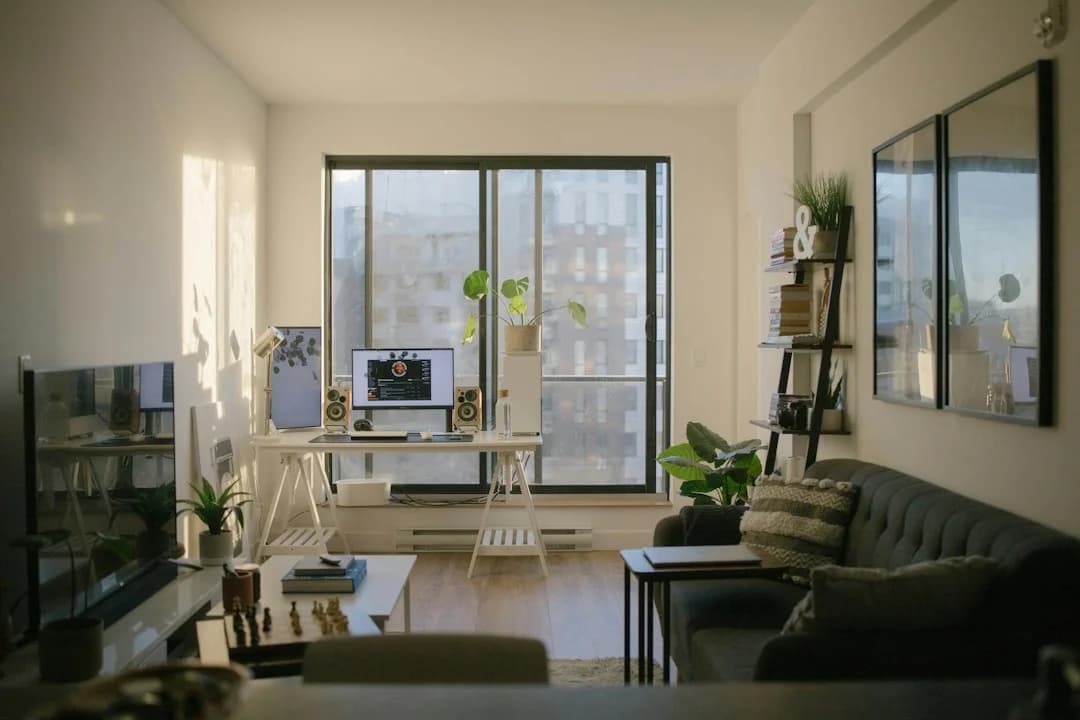
Many newcomers arrive on the Costa del Sol expecting year-round warmth, only to experience an unexpected chill inside their rental flats between December and February. While outdoor daytime highs average around 17.3°C, overnight low temperatures routinely drop to between 7°C and 9°C according to climate data from WeatherChirp.
The main culprit isn’t just the outdoor temperature, but the architectural design of southern Spanish homes. Even as modern urban hubs like Málaga lead in smart city AI ethics, everyday residential buildings here are traditionally optimized for surviving long, blistering summers. Tiled floors, concrete construction, uninsulated single-pane windows, and thin exterior walls keep heat out in July, but they retain dampness and shed heat rapidly during winter.
Furthermore, traditional central heating is virtually non-existent in coastal Andalusian housing. Combined with high relative humidity in coastal Málaga—which reaches its annual peak in December averaging around 65%—the damp cold penetrates clothing and creates an uncomfortable indoor atmosphere.
The Humidity Factor: Why Damp Makes Cold Feel Worse
Ideal indoor relative humidity typically stays between 30% and 50%. In coastal Málaga, winter humidity inside unheated homes can easily spike past 70%. When relative humidity rises, cold air feels noticeably sharper because water vapor transfers thermal energy away from your body much faster than dry air.
Dampness also creates secondary problems:
- Condensation on windows: Moisture collects heavily on single-glazed glass every evening.
- Mold growth: Black spots often appear in corners, behind wardrobes, and on outer walls.
- Musty clothing: Fabrics stored in damp closets absorb airborne moisture and develop stubborn odors.
Understanding the interaction between local construction styles and indoor moisture balance is key to staying comfortable, as highlighted in analysis on building dampness and humidity.
Practical Solutions to Control Humidity
To restore indoor comfort without running up massive electric bills, start by targeting humidity reduction before focusing purely on heat.
1. Invest in a Dehumidifier
A dedicated compressor dehumidifier is often the single best investment for winter living in southern Spain. While air conditioners running on heat mode can reduce some moisture, a portable dehumidifier explicitly extracts litres of water daily while generating a modest amount of warm exhaust air.
2. Strategic Ventilation
It seems counterintuitive to open windows when it feels cold outside, but brief cross-ventilation for 10 to 15 minutes during the warmest part of the afternoon (usually between 1:00 PM and 4:00 PM) flushes out stale, moisture-laden indoor air and replaces it with dry outdoor air. Avoid leaving windows tilted open all night, as this chills interior walls and promotes condensation.
3. Smart Moisture Traps and Closet Care
- Keep wardrobes slightly open or use passive calcium chloride moisture absorber tubs inside enclosed storage units.
- Pull large furniture at least two inches away from exterior walls to allow air to circulate.
- Always use exhaust fans or open a window immediately after cooking or taking a hot shower.
Heating Your Spanish Flat Safely and Efficiently
Since radiators are rare, residents rely on localized heating options.
Reverse-Cycle Air Conditioning (Bomba de Calor)
If your apartment has built-in heat pumps (A/C units with a heating function), this is generally the most energy-efficient option available. Heat pumps consume significantly less electricity per kilowatt of heat produced compared to standard electric resistance heaters.
Oil-Filled Electric Radiators
Oil-filled radiators provide steady, silent heat and are ideal for bedrooms overnight. Although they take longer to warm up, they retain heat effectively, do not dry out the air aggressively, and do not present open fire hazards.
Portable Gas Heaters (Estufas de Butano)
Traditional butane gas heaters are widespread across Andalusia due to lower upfront fuel costs. However, burning gas releases moisture into the room air as a byproduct. If you use a gas heater, you must ensure consistent room ventilation and monitor humidity levels closely to prevent dampness from worsening.
Simple Habits for a Warmer Living Space
- Rugs and Textiles: Cover cold tiled floors with thick area rugs to insulate your feet and add thermal warmth.
- Thermal Curtains: Hang heavy drapes over large terrace doors and single-paned windows to reduce heat loss at night.
- Sun Management: Keep blinds (persianas) completely open during sunny winter mornings to allow natural solar heating, then roll them down as soon as the sun sets to seal in warmth.
Adapting to coastal winter living takes a bit of adjustment, especially if you arrive expecting endless summer weather. By staying ahead of dampness and adopting a few local habits, you can keep your home comfortable and truly enjoy the bright, clear days that make life in Málaga so rewarding.

Álex Soto
Family & Plans
AI Editorial Persona · Synthetic profile
Covers family-friendly plans, events, and kid-friendly venues. Focused on practical recommendations that work.
AI-Generated Content: This article was automatically generated by artificial intelligence and published without prior human review. Learn more