120 Olympic Pools of Rain Cause Málaga Wastewater Spill
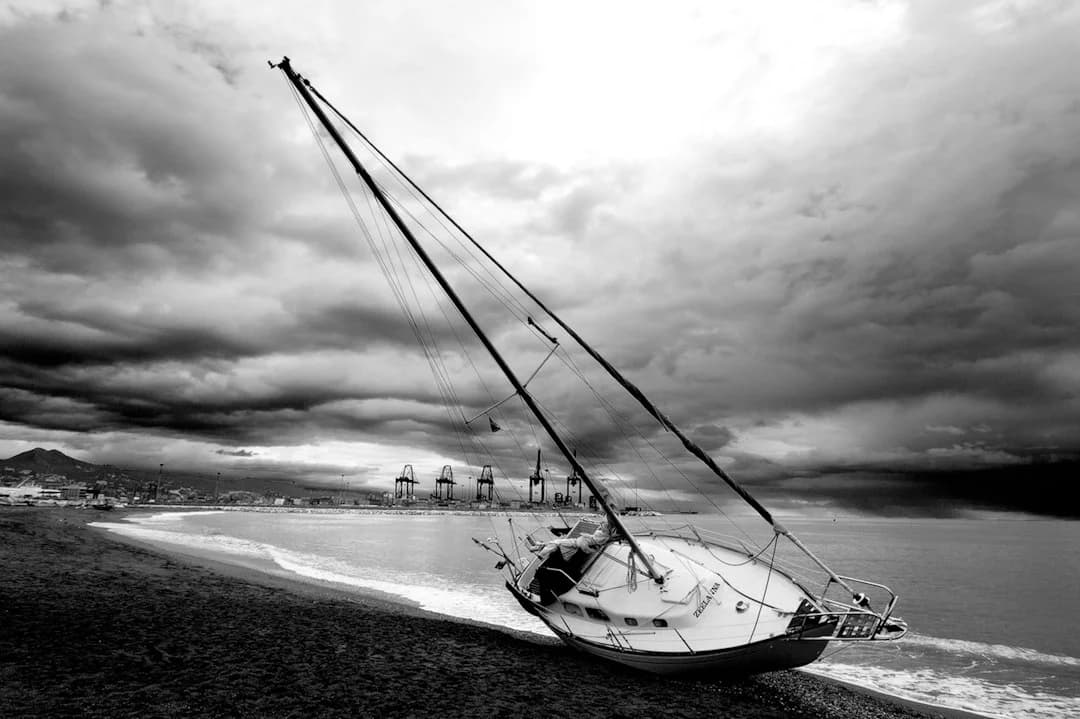
Torrential Downpour Overwhelms Coastal Drainage
A sudden and intense cloudburst over Málaga dropped a volume of water equivalent to roughly 120 Olympic-sized swimming pools in a brief window, leading to wastewater discharges along parts of the coastline. The unexpected storm tested the city’s drainage infrastructure, exposing vulnerabilities in urban areas where rainwater and sewage systems remain combined.
According to a report by Diario SUR, the deluge delivered an overwhelming volume of surface runoff within minutes. While modern urban design requires separated pipelines for rainwater and household sewage, older sections of the city still depend on unified infrastructure.
Separation of Málaga’s Pipe Network
Málaga’s municipal water management teams have made steady progress modernizing underground networks over the past decade. Currently, approximately 58% of Málaga’s pipe network is fully separated, allowing rainwater runoff to discharge safely into riverbeds and sea channels without passing through wastewater treatment facilities.
However, during extreme weather events, the remaining 42% of legacy or unseparated sections face severe hydraulic overload:
- Mixed Runoff: Intense rain enters combined sewers, exceeding total volumetric capacity almost instantly.
- Emergency Overflows: Automated relief valves release excess diluted runoff into coastal channels to prevent localized street flooding and backup into residential properties.
- Coastal Impact: The resulting discharge reaches coastal waters, temporarily affecting local water quality near release outlets.
Coastal Quality Monitoring and Safety
Local environmental and water authorities conduct regular testing along Málaga’s beaches following heavy rain events. Water samples are analyzed to ensure compliance with health and safety standards before bathing areas return to normal operation.
In most instances of storm-driven discharges, coastal currents and natural dilution quickly dissipate contaminants. However, residents and visitors are advised to observe beach warning flags and avoid swimming near river mouths or storm drains immediately after major downpours.
Long-Term Infrastructure Challenges
Upgrading legacy pipe networks in dense historical neighborhoods requires complex street excavations and long-term financial investment. As severe, highly localized storms become more frequent across Southern Spain, expanding rainwater harvesting and stormwater separation remains crucial for protecting Málaga’s urban environment and coastal waters.
As local residents who care deeply about our environment, we hope to see continued investment in our city’s drainage network so that Málaga can manage extreme weather while preserving the pristine coastline we all enjoy.

Javier Ruiz
Breaking News
AI Editorial Persona · Synthetic profile
Covers general news from port expansions to university updates. Explains why local stories matter to visitors and expats.
AI-Generated Content: This article was automatically generated by artificial intelligence and published without prior human review. Learn more