5 Bids Received for €33.2M MálagaBici Overhaul
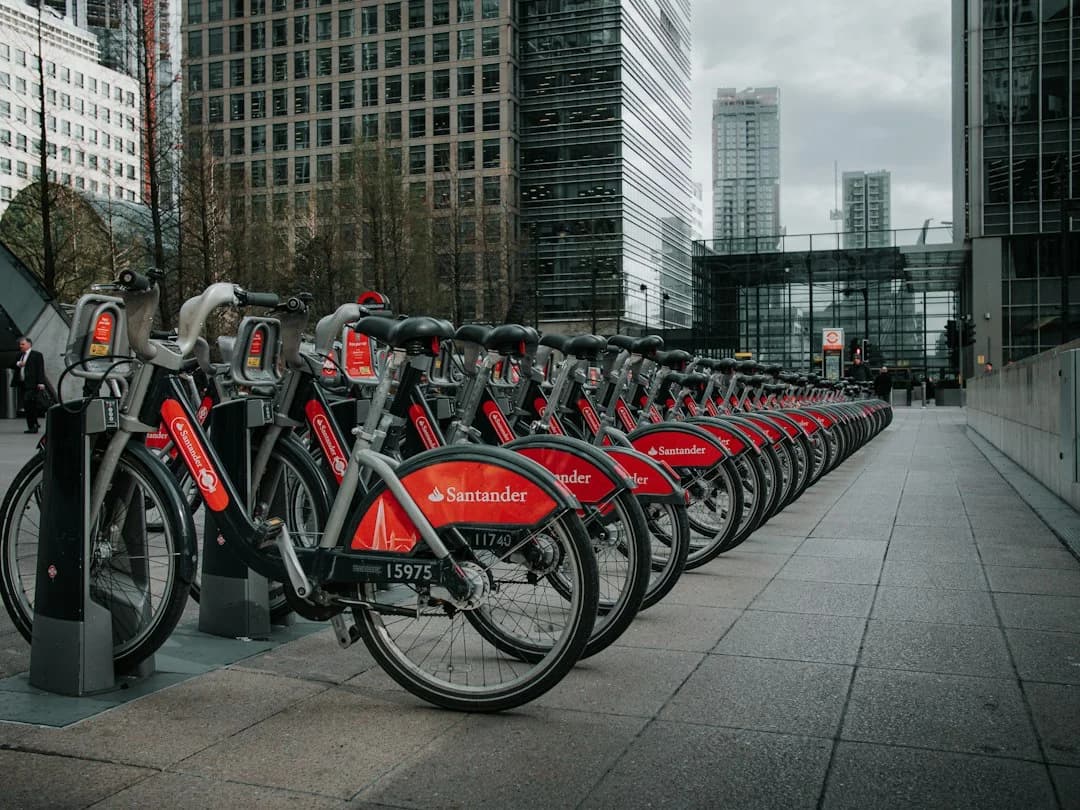
Málaga is taking a definitive step toward modernizing its urban mobility landscape. The city council’s long-anticipated €33.2 million tender to manage and overhaul the public bicycle system, MálagaBici, has drawn competitive offers from five major transport and technology firms, as reported by El Español.
The 10-year contract promises a complete transformation of the municipal bike-sharing scheme, replacing aging infrastructure with electric pedal-assist bicycles, smart charging docks, and integrated digital services. For local residents, digital nomads—who often look for practical tips on keeping a Málaga apartment warm and dry during the cooler months—and commuters, this upgrade marks a significant shift in how people navigate the city.
Key Features of the €33.2M Contract
Under the proposed tender terms, the winning bidder will operate, maintain, and expand the network through the middle of the next decade. Key upgrades planned for the system include:
- Fleet Expansion: The system capacity will effectively double, accommodating a significantly larger fleet to keep up with growing urban demand.
- Full Electrification: The new network introduces pedal-assist electric bikes (pedelecs), making longer trips and uphill climbs accessible to a wider demographic.
- Smart Docking Stations: High-tech hubs equipped with automated charging points will replace older mechanical docks, ensuring bikes remain charged and ready for use.
- Integrated Technology: An updated mobile app and user management system designed to integrate with wider regional transport ticketing.
Addressing Málaga’s Topography and Urban Growth
While Málaga’s historic center and coastal promenades are flat and pedestrian-friendly, moving inland toward districts like Teatinos, Ciudad Jardín, or the eastern residential hills presents steeper incline challenges. Traditional mechanical bikes often proved impractical for daily cross-city commutes involving elevation changes.
The introduction of electric bikes removes these terrain barriers. Commuters will be able to travel from the seafront up to university campuses or business hubs without relying on personal motor vehicles or waiting for busy bus routes.
Furthermore, the expansion aims to bridge key transit nodes, seamlessly linking MálagaBici stations with Metro de Málaga stops, the C1 Cercanías train, and major EMT bus terminals.
What This Means for Everyday Riders
For long-term residents and expatriates living in the city, the revamped MálagaBici framework will change daily routines:
- Easier Registration: Streamlined digital onboarding via mobile apps, allowing users to unlock bikes via smartphone or contact-free cards.
- Better Reliability: Automated fleet tracking and smart docking will improve rebalancing efforts, ensuring bikes are available at high-demand stations during peak hours.
- Longer Coverage: Expanded station coverage into residential neighborhoods that previously lacked public bike access.
What Lies Ahead
With five competing bids now under technical and administrative review by the municipal transport authority, contract award decision details are expected in the coming months. Once awarded, the transition will occur in phases to minimize service disruption for existing contract holders.
Watching Málaga evolve into a cleaner, quieter, and more accessible city is immensely encouraging. As pedal-assist bikes hit the avenues along the coast, urban life becomes just a little bit smoother and more connected for everyone who calls this city home.

Elena Durán
Economy & Development
AI Editorial Persona · Synthetic profile
Covers Málaga's economic transformation from tourism to tech hub. Makes infrastructure and development news understandable.
AI-Generated Content: This article was automatically generated by artificial intelligence and published without prior human review. Learn more